Miso cabbage steaks represent a stunning vegetarian main course that transforms simple cabbage into elegant, flavorful slices perfect for weeknight dinners and special occasions alike. This miso cabbage steaks recipe combines tender roasted cabbage with a savory, umami-rich miso glaze that caramelizes beautifully in the oven. The beauty of miso cabbage steaks lies in their versatility, impressive presentation, and ability to satisfy both vegetarians and meat-eaters at the dinner table. Each thick-cut slice becomes crispy at the edges while remaining tender inside, creating a textural contrast that keeps you coming back for more. Miso cabbage steaks deliver restaurant-quality results with minimal effort, making them ideal for home cooks seeking nutritious, plant-based dining solutions.
| Prep Time | Cook Time | Total Time | Servings | Difficulty | Cuisine |
|---|---|---|---|---|---|
| 15 minutes | 25 minutes | 40 minutes | 4 servings | Easy | Asian-Fusion |
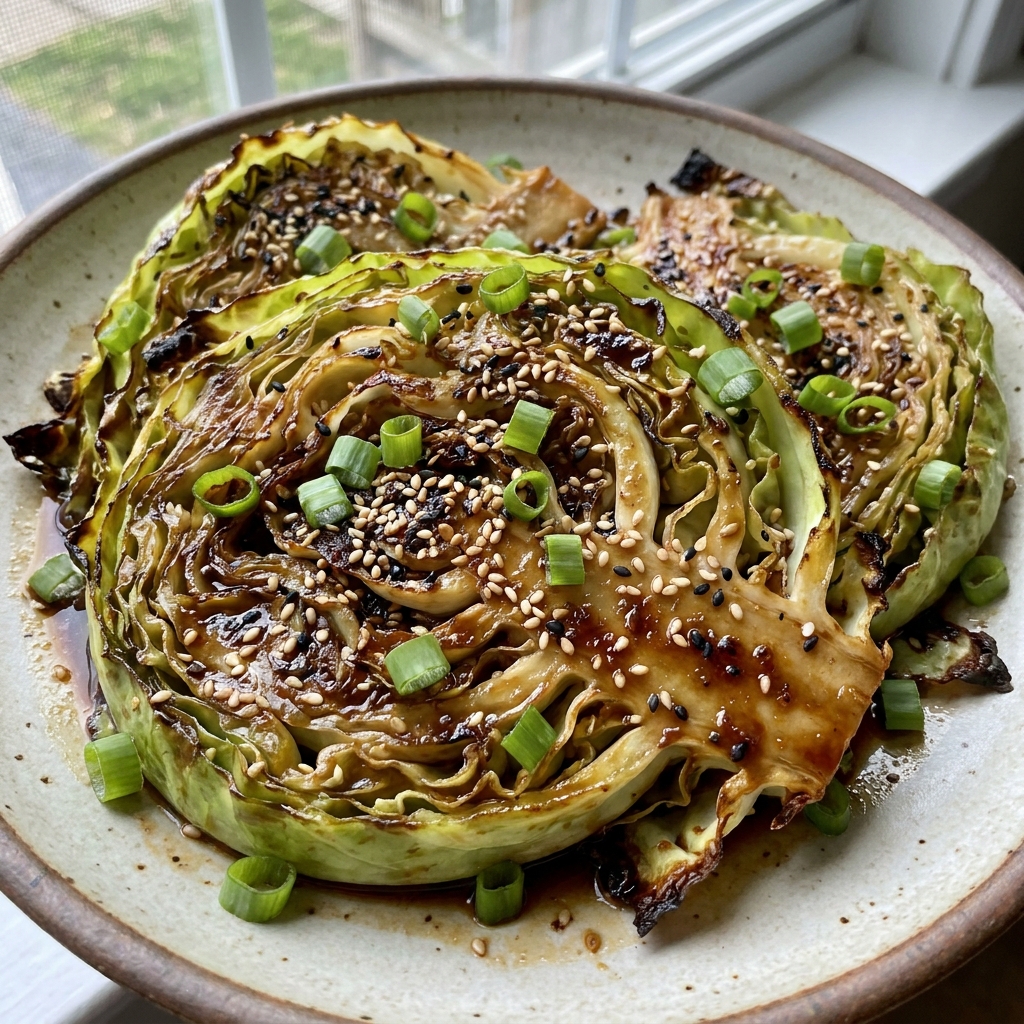
Table of Contents
Table of Contents
Why This Miso Cabbage Steaks Recipe Works
Miso cabbage steaks succeed because they deliver bold, complex flavors from a handful of pantry ingredients. The fermented miso paste provides deep umami notes that elevate simple roasted cabbage into something restaurant-worthy and memorable. I discovered this cooking method during my exploration of Asian-fusion vegetable dishes, and it immediately became a staple in my kitchen rotation. The combination of miso cabbage steaks’ caramelized exterior and tender interior creates a textural experience that rivals any meat-based main course.
The appeal of miso cabbage steaks extends beyond flavor alone. These thick-cut vegetable slices photograph beautifully, making them perfect for meal prep photography or dinner party presentations. Each portion feels substantial and satisfying, which helps vegetarians and plant-based eaters feel genuinely nourished rather than deprived. When you serve miso cabbage steaks, you’re not offering a side dish or vegetable option but rather a legitimate, protein-rich main course.
Home cooks love miso cabbage steaks because they require minimal culinary skill yet produce impressive results consistently. The recipe forgives minor mistakes, adapts well to ingredient substitutions, and works equally well for solo dinners or feeding a crowd. Whether you’re hosting a dinner party or seeking quick weeknight solutions, miso cabbage steaks fit seamlessly into any meal plan. The reliability of this dish stems from straightforward technique and forgiving ingredient ratios that professional and novice cooks appreciate equally.
Beyond practical benefits, miso cabbage steaks offer unexpected nutritional advantages that health-conscious cooks value. Cabbage contains powerful antioxidants and fiber, while miso contributes beneficial probiotics from fermentation. The roasting process develops natural sweetness in the cabbage while intensifying mineral content. Miso cabbage steaks prove that healthy eating doesn’t require sacrificing taste or satisfaction at the dinner table.
Miso Cabbage Steaks Ingredients
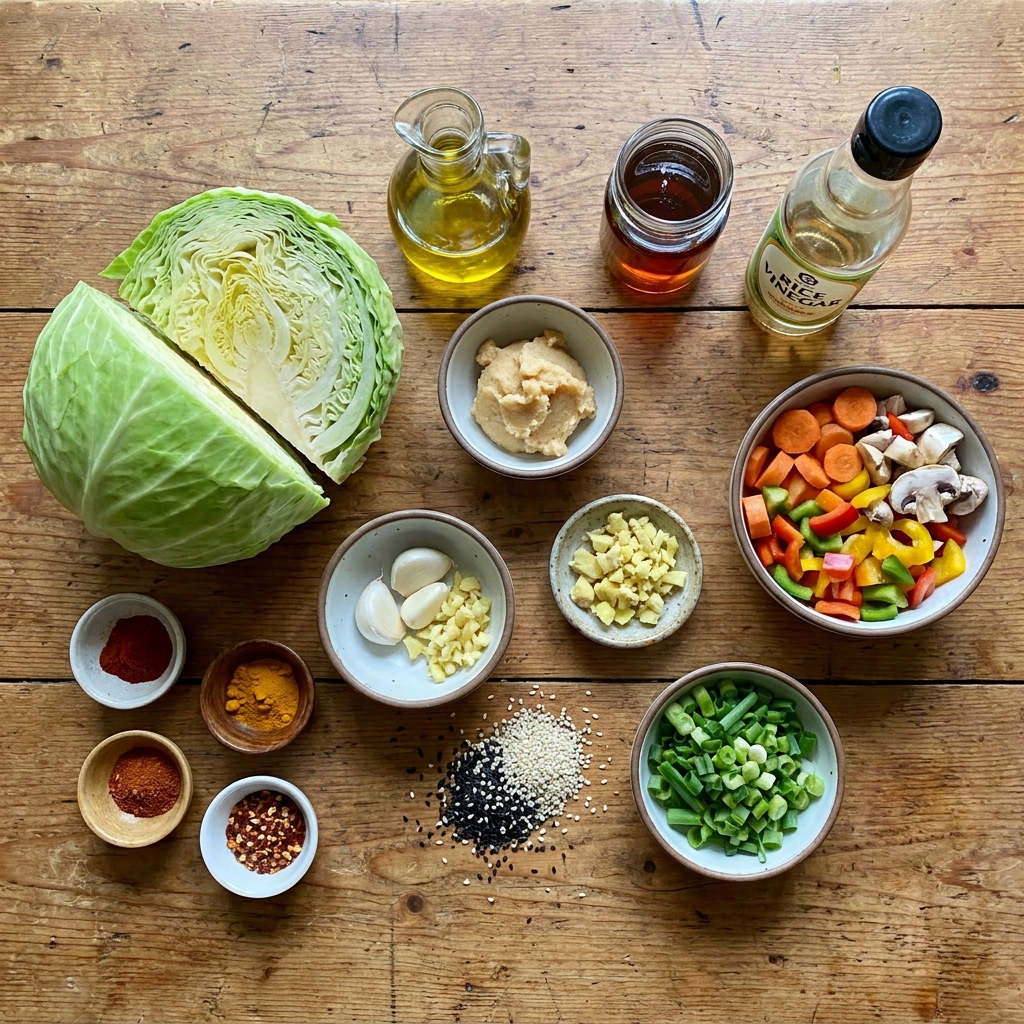
Creating authentic miso cabbage steaks requires quality ingredients that each contribute essential flavors and textures to the final dish. The primary components are straightforward, but their quality directly impacts your results. Let me walk you through each ingredient and share my preferred options for making the best miso cabbage steaks possible.
| Ingredient | Quantity | Notes with Alternatives |
|---|---|---|
| Green cabbage | 1 large head (about 2 lbs) | Choose firm, heavy heads. Napa cabbage or purple cabbage work as alternatives for miso cabbage steaks, though cooking times may vary slightly. |
| White miso paste | 3 tablespoons | Essential for traditional miso cabbage steaks flavor. Red or mixed miso can substitute but will intensify saltiness and require less quantity. |
| Olive oil | 3 tablespoons | Extra virgin olive oil adds richness to miso cabbage steaks. Grapeseed oil or avocado oil work as neutral alternatives. |
| Maple syrup or honey | 2 tablespoons | Balances miso’s saltiness in miso cabbage steaks. Brown sugar or agave nectar provide similar sweetness and caramelization. |
| Rice vinegar or apple cider vinegar | 1 tablespoon | Adds brightness and acidity to miso cabbage steaks glaze. White vinegar works but tastes harsher. |
| Garlic, minced | 2 cloves | Fresh garlic enhances miso cabbage steaks’ depth. Garlic powder (1/2 teaspoon) substitutes if fresh unavailable. |
| Fresh ginger, minced | 1 tablespoon | Provides aromatic warmth to miso cabbage steaks. Dried ginger (1 teaspoon) works for convenience. |
| Sesame seeds | 2 tablespoons | Adds nutty finish to miso cabbage steaks. Pumpkin seeds or sunflower seeds offer textural alternatives. |
| Scallions, chopped | 2 stalks | Fresh garnish for miso cabbage steaks. Chives or cilantro provide similar brightness. |
| Sesame oil | 1 teaspoon | Drizzle over finished miso cabbage steaks for nutty aroma. Optional but highly recommended. |
| Water | 2 tablespoons | Thins miso glaze for miso cabbage steaks to spreadable consistency. |
| Sea salt and black pepper | To taste | Season miso cabbage steaks after roasting for balanced flavor. |
Understanding each ingredient’s role helps you make confident substitutions when preparing miso cabbage steaks. The miso paste forms the flavor foundation, so choosing quality miso directly affects your final dish. Miso cabbage steaks benefit most from white or yellow miso varieties that provide savory depth without overwhelming saltiness.
How to Make Miso Cabbage Steaks
Making miso cabbage steaks involves straightforward steps that transform whole cabbage into elegant sliced portions coated with aromatic glaze. The process takes approximately 40 minutes from start to finish, with most time spent roasting rather than active preparation. Follow these detailed instructions to create miso cabbage steaks that will impress family and guests alike.
Preparation Phase
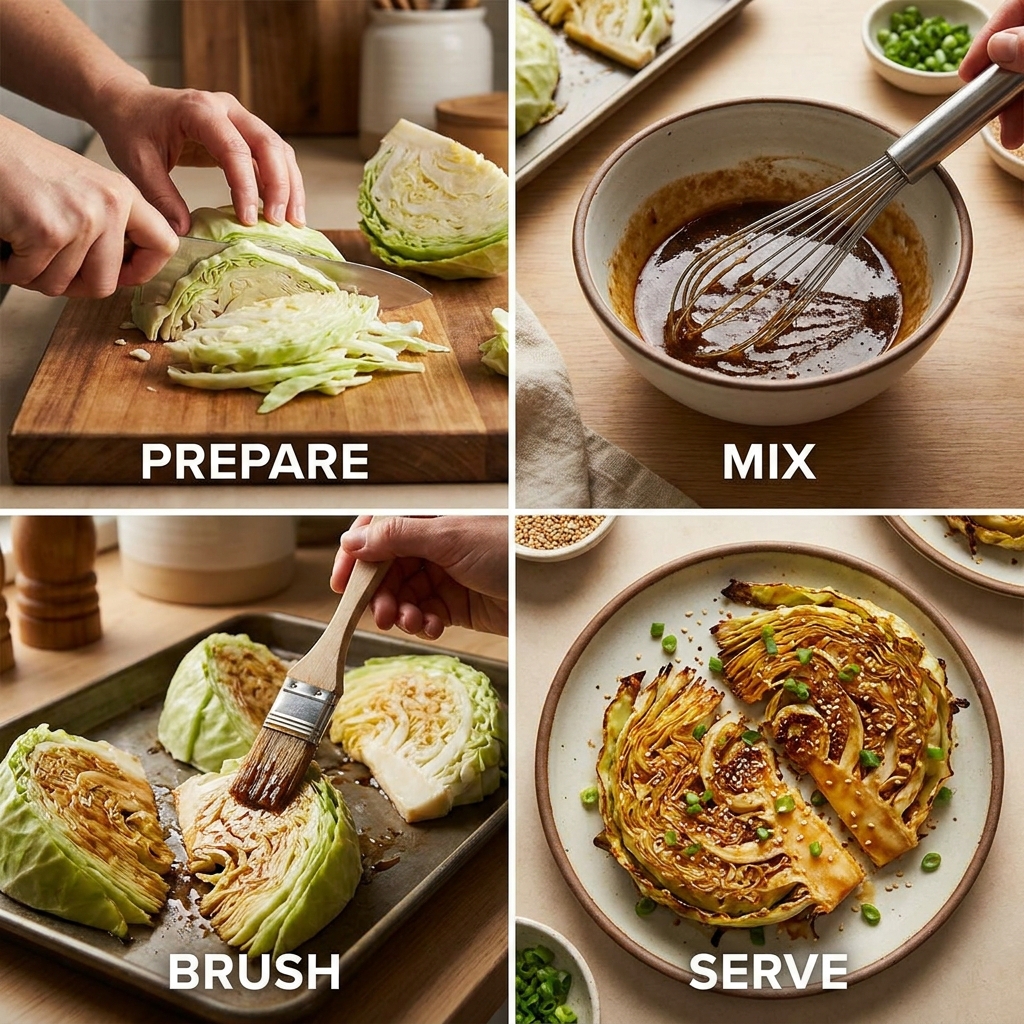
- Preheat your oven to 425°F (220°C) and position a rack in the upper-middle area for optimal browning of miso cabbage steaks.
- Remove the outer leaves from your cabbage and rinse the head thoroughly under cool running water to clean miso cabbage steaks’ main ingredient.
- Place the cabbage cut-side down on a stable cutting board for miso cabbage steaks preparation.
- Cut the cabbage vertically into four thick steaks, each approximately 1.5 inches thick, maintaining the core to hold miso cabbage steaks together during cooking.
- Line a large baking sheet with parchment paper or lightly oil it to prevent miso cabbage steaks from sticking during roasting.
Glaze Preparation
- Combine white miso paste, minced garlic, and grated ginger in a small bowl to create the miso cabbage steaks base flavor.
- Add maple syrup and rice vinegar to your miso mixture, stirring thoroughly to incorporate all components for miso cabbage steaks glaze.
- Pour two tablespoons of water into the mixture while whisking constantly until the miso cabbage steaks glaze reaches spreadable consistency.
- Drizzle in one tablespoon of olive oil and stir until the miso cabbage steaks glaze becomes smooth and cohesive.
- Taste your miso cabbage steaks glaze and adjust seasoning with additional miso for saltiness or maple syrup for sweetness as needed.
Roasting and Finishing
- Place cabbage steaks on your prepared baking sheet, arranging them in a single layer for miso cabbage steaks optimal roasting.
- Brush both sides of each cabbage steak generously with the miso glaze, ensuring thorough coverage for maximum miso cabbage steaks flavor development.
- Drizzle the remaining two tablespoons of olive oil over all miso cabbage steaks for additional crispness and browning.
- Roast your miso cabbage steaks uncovered for 20-25 minutes until the edges become golden brown and crispy while the interior stays tender.
- Remove miso cabbage steaks from the oven and sprinkle with sesame seeds, scallions, and a final drizzle of sesame oil.
- Season your finished miso cabbage steaks with sea salt and freshly ground black pepper to taste.
Chef Tips for Perfect Miso Cabbage Steaks
Professional home cooks understand that small details transform ordinary miso cabbage steaks into extraordinary dishes. These expert tips come from years of kitchen experience and countless miso cabbage steaks preparations. Implementing these strategies ensures consistent, restaurant-quality results every time you prepare miso cabbage steaks.
- Use a sharp knife when cutting cabbage for miso cabbage steaks, as dull blades crush the vegetable rather than cleanly slicing through layers, resulting in uneven cooking and textural inconsistency across your miso cabbage steaks.
- Pat cabbage steaks dry with paper towels after rinsing but before glazing, as excess moisture prevents proper caramelization and browning on your miso cabbage steaks during roasting.
- Arrange miso cabbage steaks with adequate spacing on the baking sheet, ensuring air circulates freely around each piece for maximum crispness and even browning of your miso cabbage steaks exterior.
- Position your oven rack in the upper-middle position when roasting miso cabbage steaks, allowing the heating element to create ideal caramelization while preventing the bottom from burning.
- Brush miso cabbage steaks with glaze approximately halfway through cooking, then again in the final minutes, building layers of flavor and ensuring even coverage across your finished miso cabbage steaks.
- Don’t skip the sesame oil drizzle on finished miso cabbage steaks, as this aromatic finishing oil elevates the entire dish and provides the signature nutty flavor that defines authentic miso cabbage steaks.
Common Miso Cabbage Steaks Mistakes to Avoid
Understanding frequent pitfalls helps you sidestep disappointing results and master miso cabbage steaks consistently. These common mistakes occur when cooks overlook crucial steps or misunderstand ingredient ratios for miso cabbage steaks. Learning from these errors ensures you produce perfect miso cabbage steaks every attempt.
Cutting Cabbage Too Thin: Thin cabbage slices fall apart during roasting, compromising the structural integrity that makes miso cabbage steaks special. The signature appeal of miso cabbage steaks depends on maintaining substantial thickness that holds together while becoming tender inside. Always cut miso cabbage steaks at least 1.5 inches thick to ensure they remain intact throughout cooking.
Overcrowding the Baking Sheet: Stacking or placing miso cabbage steaks too closely prevents air circulation, resulting in steamed rather than roasted vegetables. Adequate spacing allows miso cabbage steaks to develop crispy, caramelized edges that contrast beautifully with the tender interior. Use two baking sheets if necessary when preparing multiple miso cabbage steaks portions.
Using Excessive Miso Paste: Too much miso makes miso cabbage steaks overwhelmingly salty and bitter, masking the natural vegetable sweetness. Balance remains crucial in miso cabbage steaks preparation, as the fermented paste should enhance rather than dominate other flavors. Stick to the recommended amounts when making miso cabbage steaks until you understand your personal taste preferences.
Neglecting to Pat Cabbage Dry: Moisture trapped in the vegetable prevents proper browning and creates steam that softens rather than crisps the edges of miso cabbage steaks. Taking two minutes to thoroughly dry your cabbage before glazing dramatically improves the final texture of miso cabbage steaks. This simple step makes the difference between mediocre and exceptional miso cabbage steaks results.
Undercooking Miso Cabbage Steaks: Insufficient roasting time leaves miso cabbage steaks with soft, undercooked edges that lack the signature crispness that makes this dish special. The Maillard reaction requires adequate heat and time to develop the caramelization essential to miso cabbage steaks’ appeal. Roast until the edges appear golden brown and slightly charred for properly cooked miso cabbage steaks.
Best Miso Cabbage Steaks Variations and Substitutions
Versatility defines miso cabbage steaks, as this base recipe adapts beautifully to dietary preferences, seasonal ingredients, and flavor experiments. Creative cooks discover that miso cabbage steaks welcome numerous variations while maintaining their essential character. Explore these inventive twists on traditional miso cabbage steaks to keep your cooking fresh and exciting.
| Ingredient | Substitution for Miso Cabbage Steaks | Impact on Flavor |
|---|---|---|
| Green cabbage | Napa cabbage or purple cabbage | Napa creates slightly sweeter, more delicate miso cabbage steaks, while purple cabbage intensifies earthy notes in the finished dish. |
| White miso | Red miso or chickpea miso | Red miso creates more robust, fermented flavors in miso cabbage steaks, while chickpea miso offers a milder, slightly nutty alternative for traditional miso cabbage steaks. |
| Maple syrup | Coconut sugar or date paste | Coconut sugar provides subtle tropical notes to miso cabbage steaks, while date paste creates deeper caramel undertones in your finished miso cabbage steaks. |
| Rice vinegar | Umeboshi vinegar or coconut vinegar | Umeboshi brings additional umami depth to miso cabbage steaks, while coconut vinegar adds subtle sweetness to your miso cabbage steaks glaze. |
| Olive oil | Avocado oil or grapeseed oil | Both neutral options maintain miso cabbage steaks’ focus on the glaze without adding competing flavors to your finished miso cabbage steaks. |
| Sesame seeds | Pumpkin seeds or hemp seeds | Pumpkin seeds create earthier, more substantial miso cabbage steaks, while hemp seeds add nutritional emphasis to your finished miso cabbage steaks. |
| Fresh ginger | Turmeric or dried ginger | Turmeric creates golden, anti-inflammatory miso cabbage steaks with earthy undertones, while dried ginger intensifies spice notes in miso cabbage steaks. |
Experimenting with miso cabbage steaks variations helps you discover personal preferences and create dishes perfectly suited to your pantry inventory. Each substitution in miso cabbage steaks changes the flavor profile slightly while maintaining the essential roasted vegetable appeal. Don’t hesitate to improvise with miso cabbage steaks using available ingredients and trusted taste preferences.
Serving Suggestions for Miso Cabbage Steaks
Miso cabbage steaks shine as centerpiece dishes deserving thoughtful presentation and complementary sides. These substantial vegetable steaks pair beautifully with numerous accompaniments that enhance rather than overshadow their sophisticated flavors. Consider these serving ideas when planning meals featuring miso cabbage steaks as the main attraction.
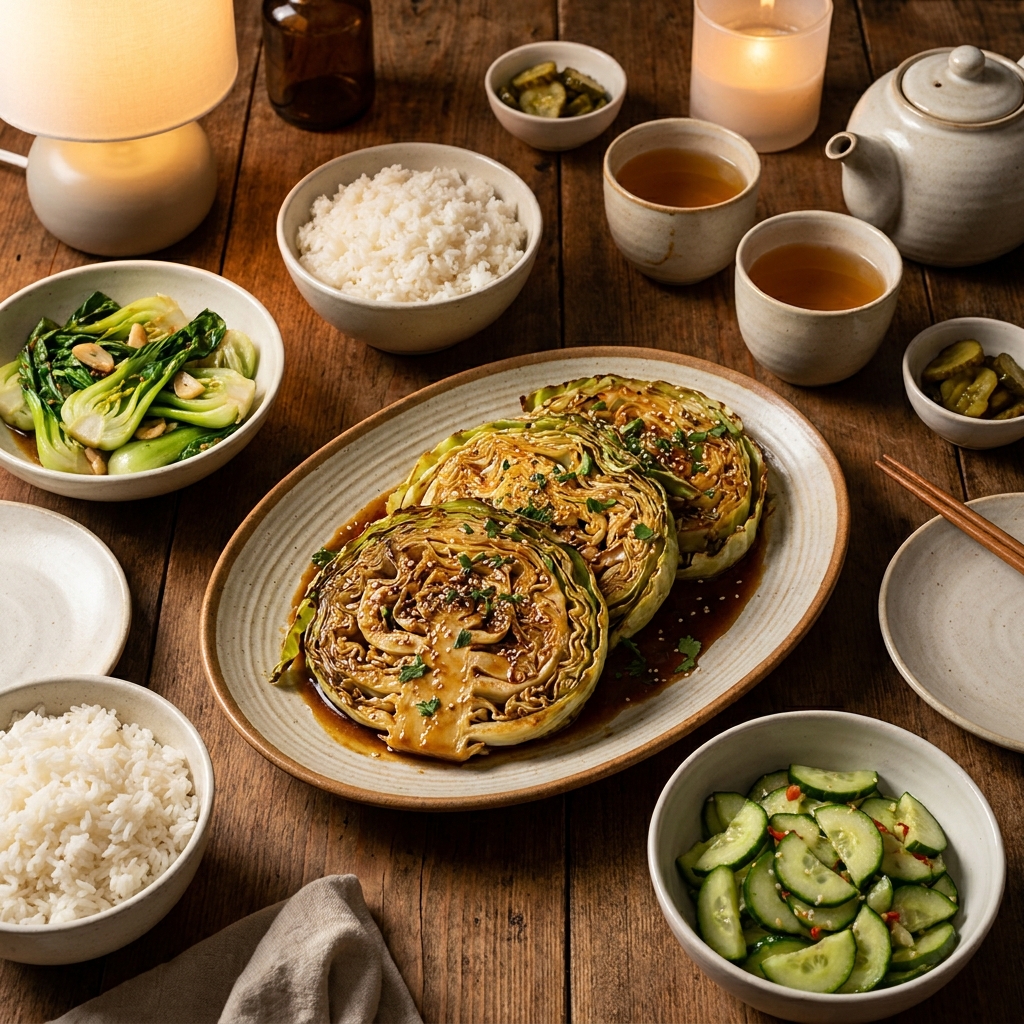
For weeknight family dinners, serve miso cabbage steaks alongside fluffy jasmine rice or cauliflower rice that absorbs the caramelized glaze drippings. Add steamed bok choy or gai lan for additional leafy greens that echo miso cabbage steaks’ vegetable theme. A simple cucumber salad with rice vinegar dressing provides refreshing contrast to the umami-rich miso cabbage steaks, balancing the meal perfectly.
When hosting dinner parties, present miso cabbage steaks as the elegant centerpiece surrounded by heirloom roasted vegetables like purple carrots, radishes, and cherry tomatoes. Offer a side of sesame noodles tossed with scallions and a drizzle of sesame oil that complements miso cabbage steaks’ Asian-fusion flavor profile. A vibrant mango or papaya salad provides tropical brightness that cuts through miso cabbage steaks’ richness beautifully.
Meal prep enthusiasts appreciate miso cabbage steaks’ ability to transform into multiple dishes throughout the week. Serve miso cabbage steaks warm for Monday dinner, then chop leftovers into salads, grain bowls, or wraps throughout the remaining days. Miso cabbage steaks pair brilliantly with quinoa bowls, Buddha bowls featuring roasted chickpeas, or Buddha bowls with tahini dressing.
For special occasions and holiday gatherings, elevate miso cabbage steaks with sophisticated accompaniments like mushroom risotto, crispy tofu steaks, or herb-roasted root vegetables. Serve miso cabbage steaks as part of a plant-forward tasting menu that showcases vegetables as premium ingredients deserving center plate placement. Pair miso cabbage steaks with sparkling beverages, herbal teas, or fresh vegetable juices that complement the sophisticated flavor profile.
Storage and Reheating for Miso Cabbage Steaks
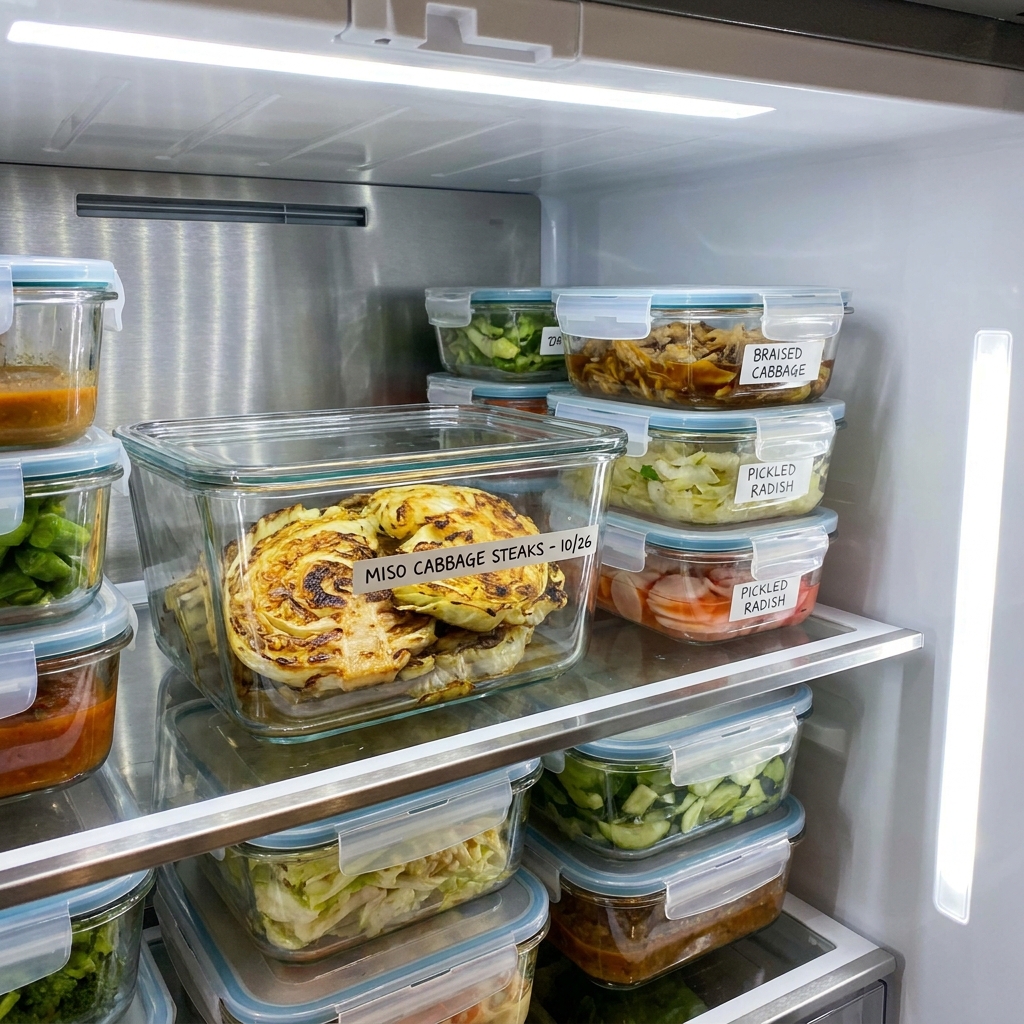
Proper storage extends the enjoyment of miso cabbage steaks throughout your week, maintaining quality while ensuring food safety. Understanding best practices for storing and reheating miso cabbage steaks prevents waste while providing convenient ready-made meals. These methods preserve the texture and flavor that make miso cabbage steaks special long after initial preparation.
| Method | Duration | Instructions |
|---|---|---|
| Refrigerator Storage | 4-5 days | Place cooled miso cabbage steaks in an airtight container, keeping glaze separate if possible. Store miso cabbage steaks on the middle shelf where temperatures remain most stable. Keep miso cabbage steaks away from strong-smelling foods that may transfer odors. |
| Freezer Storage | Up to 3 months | Cool miso cabbage steaks completely before freezing to prevent condensation. Layer miso cabbage steaks between parchment paper in freezer-safe containers. Label miso cabbage steaks with the date to track storage time. Thaw miso cabbage steaks in the refrigerator overnight before reheating. |
| Oven Reheating | 10-15 minutes | Preheat oven to 350°F. Place miso cabbage steaks on a lined baking sheet and brush with additional glaze. Cover miso cabbage steaks loosely with foil to prevent drying. Heat miso cabbage steaks until warmed through, removing foil in final minutes for crisping. |
| Stovetop Reheating | 5-7 minutes | Heat a skillet over medium heat and add a small amount of oil. Place miso cabbage steaks in the skillet, heating for 2-3 minutes per side. This method restores crispness to miso cabbage steaks while maintaining interior tenderness. |
| Make-Ahead Preparation | Up to 24 hours | Prepare the miso glaze and cut cabbage steaks the night before. Store miso cabbage steaks components separately. Assemble miso cabbage steaks and roast when ready to serve for fresh flavor and optimal texture. |
Miso cabbage steaks maintain exceptional quality when stored correctly, making them ideal for meal planning and batch cooking. The glaze actually intensifies in flavor during storage, making day-old miso cabbage steaks arguably more delicious than freshly prepared versions. Store miso cabbage steaks in shallow containers that allow quick cooling and convenient reheating throughout your week.
Nutritional Information for Miso Cabbage Steaks
Understanding the nutritional profile of miso cabbage steaks helps you make informed dietary choices while enjoying this delicious dish. Miso cabbage steaks offer impressive nutritional benefits, combining low calories with substantial vitamins, minerals, and beneficial compounds. The following approximate nutritional values apply to a standard serving of miso cabbage steaks prepared using the featured recipe.
| Nutrient | Amount per Serving |
|---|---|
| Calories | 165 |
| Protein | 4g |
| Fat | 11g |
| Carbohydrates | 14g |
| Fiber | 3g |
| Sugars | 8g |
| Sodium | 320mg |
| Vitamin C | 35% of Daily Value |
| Vitamin K | 95% of Daily Value |
| Potassium | 295mg |
| Iron | 8% of Daily Value |
| Calcium | 6% of Daily Value |
These approximate values demonstrate that miso cabbage steaks provide substantial nutritional benefits while remaining relatively low in calories. Miso cabbage steaks deliver exceptional vitamin K content, supporting bone health and cardiovascular function. The fermented miso in miso cabbage steaks contributes probiotics that support digestive health, making miso cabbage steaks an intelligent choice for wellness-focused home cooks. Fiber content in miso cabbage steaks promotes satiety and sustained energy throughout your day.
Frequently Asked Questions About Miso Cabbage Steaks
Can I prepare miso cabbage steaks with red cabbage instead of green?
Red cabbage works beautifully for miso cabbage steaks, though you’ll notice slightly different texture and extended cooking time. Red cabbage creates visually stunning miso cabbage steaks with deeper purple hues and earthier undertones compared to traditional green varieties. Expect miso cabbage steaks prepared with red cabbage to require an additional 5-7 minutes roasting time due to higher density.
How do I know when miso cabbage steaks are properly cooked?
Perfectly cooked miso cabbage steaks display golden-brown edges with slight charring at the outer layers while maintaining tender inner layers. The miso glaze should caramelize visibly on the surface of miso cabbage steaks, creating a sticky, glossy appearance. Pierce the thickest part of miso cabbage steaks with a fork; it should meet minimal resistance while the core remains intact.
What can I substitute for white miso in miso cabbage steaks?
Red miso provides stronger fermented flavors for miso cabbage steaks and requires approximately 2 tablespoons instead of 3 to avoid excessive saltiness. Chickpea miso offers a milder, slightly nutty alternative for miso cabbage steaks, working well for those preferring gentler flavors. Miso cabbage steaks can also feature mixed miso varieties that combine different fermentation profiles for complex taste development.
Can I make miso cabbage steaks ahead for dinner parties?
Prepare miso cabbage steaks completely and reheat gently just before serving for optimal texture and presentation. Store finished miso cabbage steaks in the refrigerator for up to 5 days, allowing flavors to develop and intensify. Reheat miso cabbage steaks in a 350°F oven for 10-15 minutes, brushing with additional glaze for moisture and to restore surface crispness.
Are miso cabbage steaks suitable for vegan diets?
Traditional miso cabbage steaks are naturally vegan, containing only plant-based ingredients and no animal products whatsoever. The fermented miso paste contributes deep umami flavors that traditionally come from animal proteins, making miso cabbage steaks entirely satisfying for plant-based eaters. Serve miso cabbage steaks with vegan-friendly sides like quinoa, tempeh, or nutritional yeast-topped vegetables.
Why did my miso cabbage steaks come out mushy?
Mushy miso cabbage steaks usually result from insufficient heat, overcrowding the baking sheet, or excess moisture on the vegetable surface. Ensure your oven reaches proper temperature and arrange miso cabbage steaks with adequate spacing for air circulation. Pat cabbage thoroughly dry before glazing and roast at 425°F with the rack in the upper-middle position for crispy results on your miso cabbage steaks.
Can I freeze miso cabbage steaks for long-term storage?
Miso cabbage steaks freeze successfully for up to three months when stored in airtight, freezer-safe containers with parchment paper between layers. Thaw miso cabbage steaks in the refrigerator overnight before reheating to maintain quality and prevent condensation from affecting texture. Frozen miso cabbage steaks work excellently for meal planning and quick weeknight dinners throughout your month.
What’s the best gluten-free option for miso cabbage steaks?
Most white miso paste is inherently gluten-free, but always verify the label when purchasing miso for miso cabbage steaks. All other ingredients in traditional miso cabbage steaks recipes are naturally gluten-free, making the dish accessible for those managing celiac disease or gluten sensitivity. Double-check all condiments and miso sources to ensure your finished miso cabbage steaks remain completely gluten-free.
How can I add protein to miso cabbage steaks for a complete meal?
Serve miso cabbage steaks alongside hearty proteins like crispy tofu steaks, seasoned tempeh, or roasted chickpeas for substantial, plant-based mains. Miso cabbage steaks pair beautifully with grain sides like quinoa, farro, or wild rice that provide complete protein profiles. Combine miso cabbage steaks with nuts like almonds or cashews, or seeds like hemp or pumpkin for additional protein and nutrients.
Should I cut my cabbage steaks thinner for faster cooking?
Thinner miso cabbage steaks cook faster but lose the substantial, elegant presentation that defines this dish. The signature appeal of miso cabbage steaks depends on maintaining 1.5-2 inch thickness that creates textural contrast between crispy edges and tender interiors. Sacrifice thickness for faster cooking only if you prefer steamed rather than roasted miso cabbage steaks results.
Conclusion
Miso cabbage steaks represent an outstanding addition to any home cook’s vegetable repertoire, combining simplicity with restaurant-quality results consistently. The versatility of miso cabbage steaks accommodates dietary preferences, ingredient substitutions, and creative flavor experiments while maintaining exceptional taste. Whether serving weeknight family dinners or impressing dinner guests, miso cabbage steaks deliver substantial, nutritious, and utterly satisfying plant-based mains that rival any meat-centered dish. The caramelized exterior contrasting beautifully with tender interior defines miso cabbage steaks’ irresistible appeal. Once you master this technique, miso cabbage steaks become a trusted weeknight staple and elegant special occasion centerpiece that keeps both your family and guests coming back for more.
Explore these complementary recipes and resources to expand your traditional cooking fat knowledge and applications. Learn Whipped Beef Tallow Recipe. Discover Protein Dill Pickle Dip. Explore Savory Greek Yogurt Dip.
Learn more about miso paste varieties and fermentation at Serious Eats food science resources. Discover additional food safety and storage guidance from USDA Food Safety resources.
Print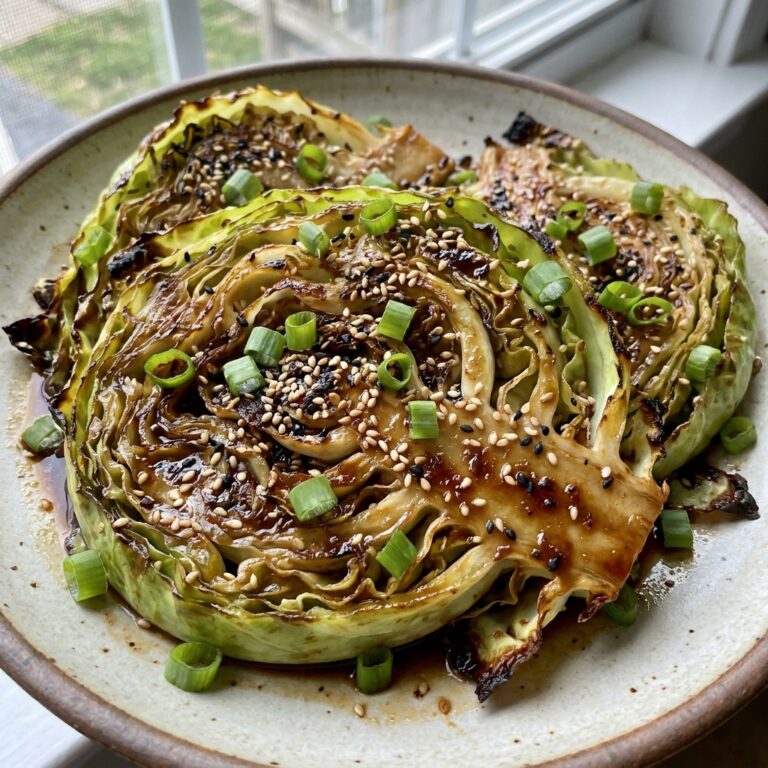
Miso Cabbage Steaks
Transform thick cabbage slices into restaurant-worthy vegetarian steaks with a savory miso glaze. Perfect for weeknight dinners or special occasions, these steaks feature a caramelized exterior and tender interior.
- Total Time: 40
- Yield: 4 servings 1x
Ingredients
1 medium green cabbage (about 2 lbs), core removed
2 tablespoons white miso paste
1 tablespoon tamari or low-sodium soy sauce
1 tablespoon maple syrup
2 teaspoons rice vinegar
1 clove garlic (minced)
1 teaspoon fresh ginger (minced)
toasted sesame seeds (for garnish)
sliced scallions (for garnish)
Instructions
Preheat oven to 400°F (200°C)
Using a mandoline or sharp knife, cut cabbage into 1-inch-thick slices to form ‘steaks’
In a small bowl, mix miso paste, tamari, maple syrup, rice vinegar, garlic, and ginger
Place cabbage slices on a parchment-lined baking sheet
Brush both sides of the cabbage chunks with the miso glaze
Roast for 20-25 minutes until edges are golden and crisp
Top with sesame seeds and scallions during final 5 minutes of roasting
Notes
Use a mandoline for even thickness
For non-stick results, use a silicone baking mat or parchment paper
Remove steaks once base is still bright green (about 22 minutes to avoid over-charring)
Serve immediately or rest for 5 minutes before plating
Pair with cooked rice, noodles, or a simple salad
- Prep Time: 15
- Cook Time: 25
- Category: Dinner Recipes
- Method: Roasting
- Cuisine: Asian-Fusion
- Diet: Vegetarian
Nutrition
- Serving Size: 1 steak
- Calories: 120
- Sugar: 3g
- Sodium: 700mg
- Fat: 3g
- Saturated Fat: 0.5g
- Carbohydrates: 15g
- Fiber: 2g
- Protein: 4g
- Cholesterol: 0mg