“A recipe has no soul. You, as the cook, must bring soul to the recipe,” Thomas Keller once said, and boy, do I feel that every time I fire up the grill!. Honestly, I used to think grilled vegetable couscous was just a boring salad you’d find at a sad office potluck. I was so wrong!. After years of soggy zucchini and bland grains, I finally cracked the code to making this dish pop with flavor. It’s fast. It’s smoky. It is absolutely the best thing you’ll eat this summer!. Let’s get into how to make this vibrant, nutrient-dense meal that actually tastes like a celebration..
Selecting the Perfect Vegetables for the Grill
I remember the first time I tried to make a big batch of grilled vegetable couscous for a school potluck. I was in a rush and just grabbed a bag of frozen mixed veggies and some thin squash. I tossed them on the grill, and honestly, it was a total disaster. Half of the food fell right through the metal grates and the rest turned into a mushy, gray pile of sadness. It was pretty embarrassing! Since that day, I’ve learned that picking the right produce is the most important step for this dish. You need vegetables that can handle the high heat without falling apart or turning into soup.
Choosing for Density and Crunch
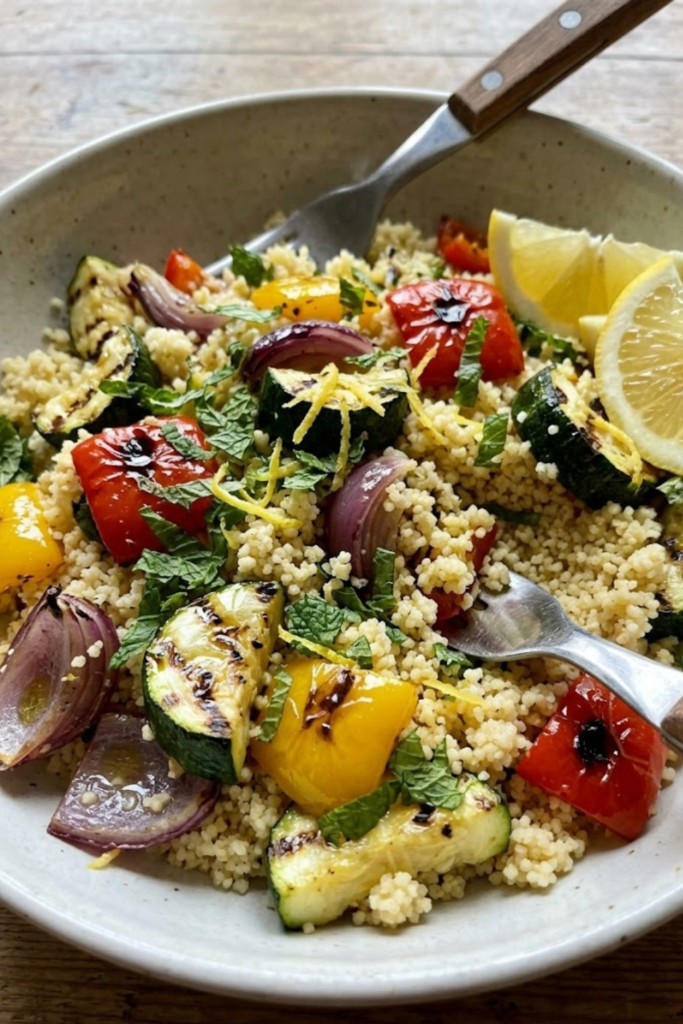
When you are at the grocery store or the farmer’s market, you want to look for “sturdy” vegetables. Bell peppers are my absolute favorite for this. They have thick walls that stay crunchy but get really sweet and smoky when they get that nice char. I also always grab a big red onion. I like to cut the onion into thick rounds or wedges. If you leave the root end attached, the layers won’t slide apart and fall into the fire. Zucchini is another classic, but here is a teacher tip: don’t buy the giant ones that look like baseball bats. Those big ones are full of water and seeds, which makes them get soggy fast. Stick to the medium-sized ones and slice them into long planks about half an inch thick.
Colors That Make the Plate Pop
My students always hear me say that we “eat with our eyes first,” and it’s so true with a grain salad. For a vibrant couscous, I try to get a whole rainbow of colors. Yellow summer squash, orange peppers, and even purple eggplant make the final bowl look like a piece of art. If you can find those cute baby eggplants, grab them! They are much less bitter than the huge ones. Asparagus is also a great choice, but you have to buy the thick spears. If they are skinny like pencils, they will burn up before you can even flip them over.
Seasonal Picks and Hidden Gems
Lately, I’ve been seeing some really cool heirloom carrots. They come in deep reds and yellows and look amazing. If you cut them in half lengthwise, they grill up beautifully and add a nice earthy sweetness. Mushrooms are another great add-on. I like using large Portobello caps because they have a meaty texture that feels very filling. Just remember to wipe them clean with a dry paper towel. If you soak them in water, they act like a sponge and won’t get those pretty brown grill marks we want. Picking the right veggies isn’t hard, you just have to think about how they will react to the flame. If they are tough enough to hold their shape, they will taste great in your couscous!
How to Get Fluffy Couscous Every Time
If you’ve ever ended up with a big clump of grains that looks more like mashed potatoes than couscous, don’t worry—you aren’t alone! I used to do the same thing all the time back when I first started cooking for myself. In my classroom, I always tell my students that following the instructions is half the battle, but with cooking, there are little tricks that the box usually doesn’t tell you. Getting that light, airy texture is actually pretty easy once you know the tricks I’ve picked up over the years. It really makes the grilled vegetable dish so much better when the grains are separate and light instead of a soggy mess.
Stick to the Golden Ratio
The biggest mistake people make is using too much water. If you drown the grains, they get heavy and sticky, and there is no way to fix it after that happens. I follow a simple one-to-one rule that never fails me. For every cup of dry couscous, you use exactly one cup of boiling liquid. Also, don’t just use plain tap water from the sink. If you want your meal to taste like something special, use vegetable broth or even a little chicken stock. I like to add a tiny pinch of salt and a small drizzle of olive oil to the liquid before it even hits the grains. This helps keep things from sticking together later on. Just pour the hot liquid over the dry grains in a big bowl and you are already halfway there.
Let it Sit and Relax
This is the part where most people mess up because they are hungry and get impatient. Once you pour that boiling broth over the couscous, you have to cover the bowl immediately. I usually just use a large dinner plate or some plastic wrap to trap all that steam inside. Then, you just walk away and leave it alone. Don’t peek! If you lift the lid to look at it, you let all the heat out, and the grains won’t cook evenly. I tell my kids it’s like a “time out” for the food. It needs about five to seven minutes to soak up every drop of that flavorful liquid.
Use a Fork, Not a Spoon
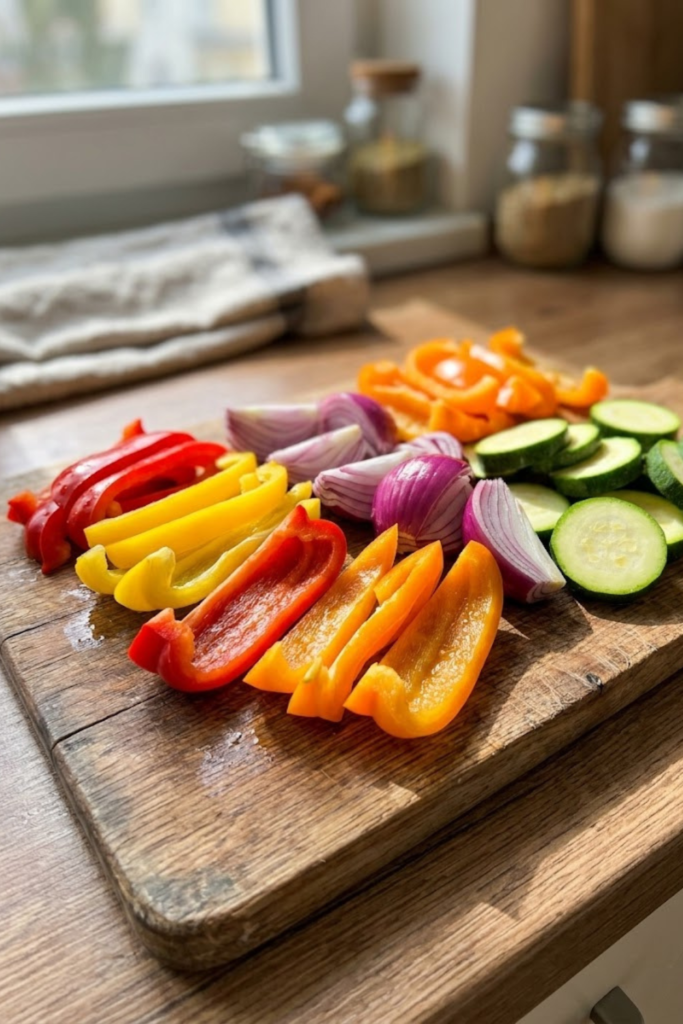
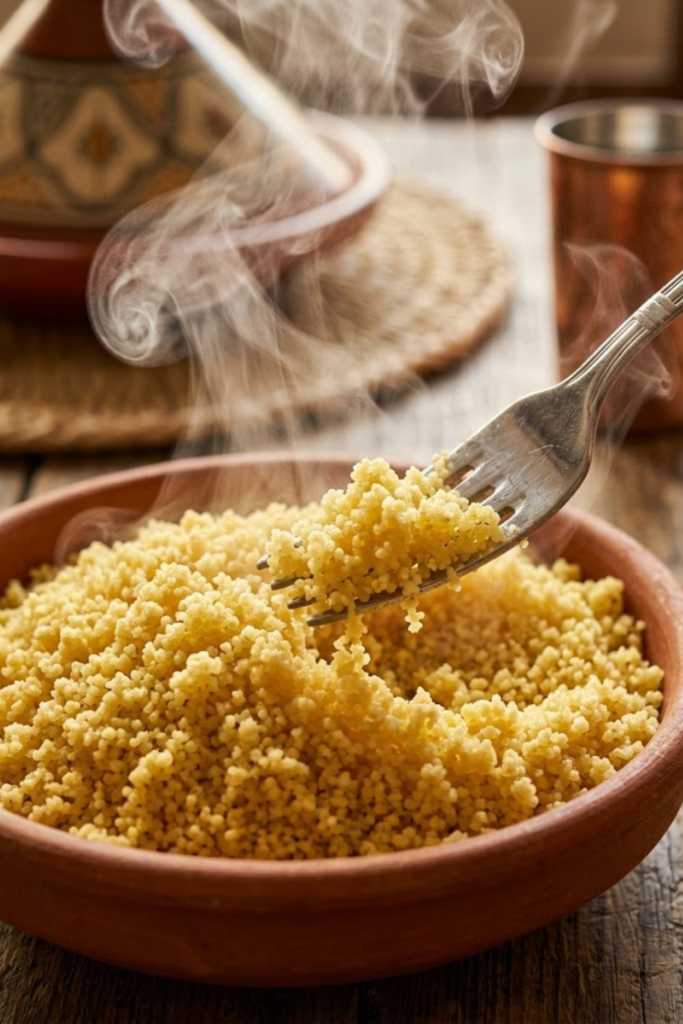
When the time is finally up, whatever you do, please do not grab a big spoon and start stirring it around. A spoon will just mash the soft grains together and turn it into a paste. Instead, grab a metal fork. Use the tines of the fork to gently scrape across the top and “fluff” it up bit by bit. This separates the individual grains and lets air get in between them. It should look like little clouds of gold when you are finished. I always feel like a proud teacher when I see those perfectly separated grains ready to be mixed with my smoky grilled veggies. It is a small step, but it makes a huge difference in how the final dish feels in your mouth!
The Smoky Lemon Vinaigrette
I’ve said it a million times to my students: you can have the best materials in the world, but if you don’t have a plan to stick them together, it’s just a mess! This dressing is the “glue” that makes the whole meal work. I used to just buy those expensive bottles of dressing from the store because I thought making my own was too hard. But one night I ran out and had to whisk some stuff together from my pantry, and I never went back to the store-bought stuff again. This smoky lemon vinaigrette is what takes the plain grains and charred veggies and makes them taste like they came from a fancy restaurant.
Fresh is Always Best
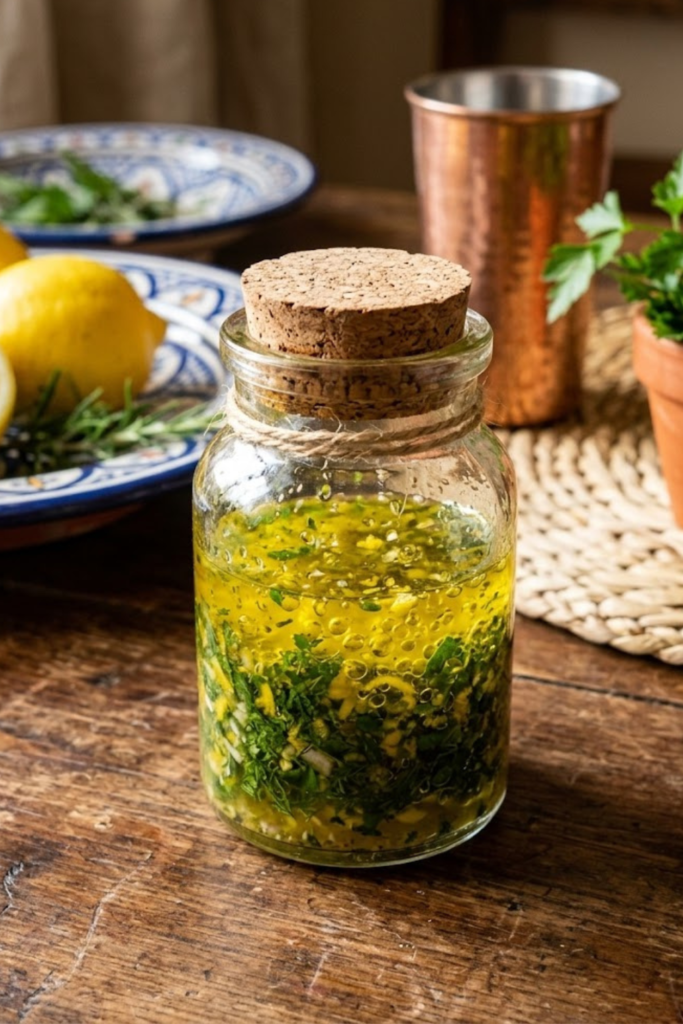
When you are making this, please don’t use that plastic lemon-shaped bottle of juice from the fridge. I know it’s easier, but the flavor is just totally different. I always get a couple of big, heavy lemons and roll them on the counter with my palm before I cut them. This helps get all the juice out. I also like to grate a little bit of the yellow skin—the zest—into the bowl too. It gives it such a bright smell! Then I add a good amount of olive oil. I usually aim for about three parts oil to one part lemon juice. If you like it really zingy, you can add a bit more juice. I also throw in a big pinch of salt and some cracked black pepper. It’s so simple, but the fresh ingredients really make a huge difference.
The Secret Balance of Flavors
To really get that “smoky” vibe that goes with the grilled veggies, I add a secret ingredient: smoked paprika. Just a little bit gives the whole dish a deep, earthy flavor that matches the char on the peppers and onions. If you want a little kick, you can add some red pepper flakes too. I also like to add a tiny squeeze of honey or a pinch of sugar. It doesn’t make the dressing sweet, but it helps balance out the sourness of the lemon so it doesn’t make your face pucker up!
Herb Overload for Extra Flavor
Finally, I chop up a giant handful of fresh herbs. I’m lucky enough to have a little herb garden in a pot on my windowsill, so I usually grab some parsley and mint. If you think mint is just for gum or tea, you have to try it in this couscous! It adds a cooling sensation that is so refreshing on a hot day. I just whisk everything together in a glass jar and shake it up really hard. I usually make a double batch because it stays good in the fridge for a few days, and I end up putting it on my lunch salads all week long. It really is the best part of the whole recipe!
Kitchen Mistakes I’ve Made (and How to Avoid Them)
Mistakes are just lessons in disguise, right? That’s what I tell my students every single day when they mess up a math problem or trip in the hallway. In the kitchen, I’ve had my fair share of “lessons” while trying to get this grilled vegetable couscous just right. One time, I invited my neighbors over and promised them a gourmet meal, but I ended up serving them a pile of mushy, gray peppers because I made some really basic errors. I was so embarrassed! But hey, that’s how we learn. Here are the big things I messed up so you don’t have to do the same.
The Problem with a Crowded Grill
I used to think that if I piled all the veggies on the grill at once, I’d be done faster. I was wrong. When you put too much food on the grates, the heat can’t move around. Instead of getting those pretty black char marks, the vegetables just start sweating and steaming in their own juices. It’s like a crowded classroom on a rainy day—everyone just gets hot and cranky! You need to give your zucchini and peppers some breathing room. If you have a lot to cook, do it in two batches. It takes a little longer, but the flavor is way better when the air can circulate. Trust me, the texture is worth the extra ten minutes.
Why You Should Wait to Salt
This is a big one that I see people do all the time. I used to salt my zucchini and peppers right on the cutting board before they even touched the grill. I thought I was being smart by seasoning them early. But science tells us that salt pulls water out of vegetables. By the time I put them on the fire, they were soaking wet. Wet vegetables don’t sear; they basically boil. Now, I wait until the very last second before they go on the grill, or I even salt them halfway through the cooking process. This keeps them firm and snappy instead of limp and sad.
The Cold Grill Trap
Patience is a virtue, but it’s hard when you’re hungry after a long day at school! I used to throw my food on the grill the second the flames started. If the grill isn’t screaming hot, the vegetables will stick to the metal and tear when you try to flip them. I learned to let the grill heat up for at least ten minutes. You want to hear that “hiss” the moment the food touches the grate. If you don’t hear that sizzle, take them off and wait! It makes cleaning up a lot easier too because the food won’t be glued to the metal. Keeping the grill hot is the best way to make sure your dinner looks as good as it tastes.
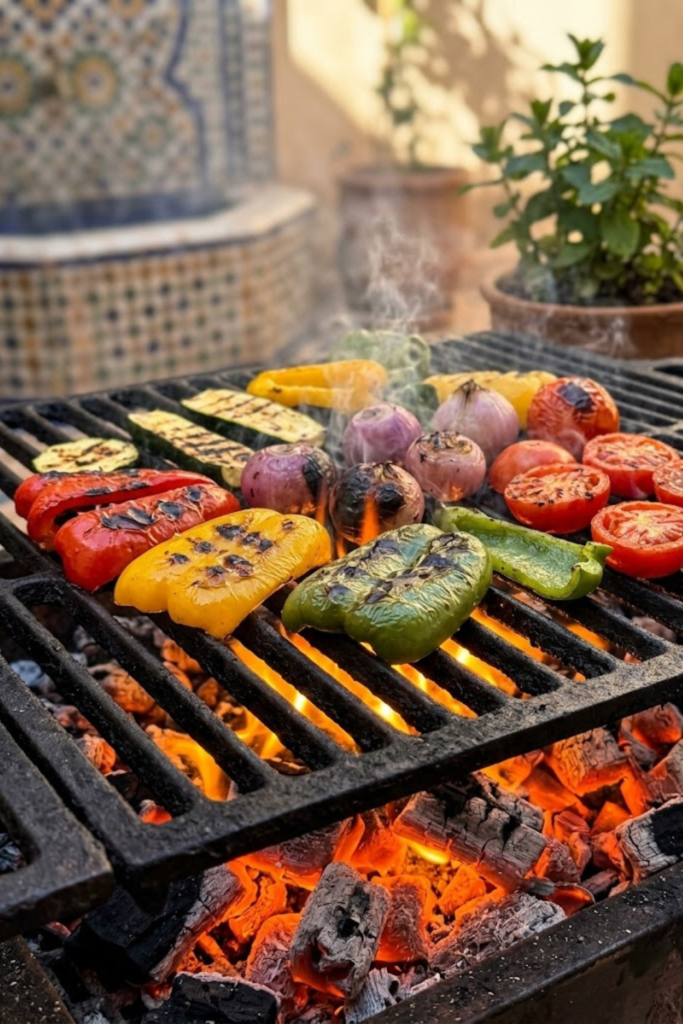
Making grilled vegetable couscous is really about honoring the ingredients and keeping things simple but bold. I’ve learned that the char is where the magic happens, and a little fresh mint goes a long way! It took me a few tries to get the fluffiness of the grains and the crunch of the veggies just right, but that’s the beauty of cooking. Whether you’re meal prepping for the week or hosting a backyard bash, this dish is a guaranteed winner that everyone will love. If you loved this recipe, please save it and share it on Pinterest so others can find this healthy goodness!