Did you know that nearly 70% of home cooks struggle with beef getting too “rubbery” on a skewer? I’ve been there, standing over a smoky grill, praying the meat wouldn’t turn into leather! Making the perfect grilled beef kebabs isn’t just about heat; it’s about the prep, the soak, and the patience. I’m going to show you exactly how to get that steakhouse quality right in your own backyard because you deserve a win this weekend!
Choosing the Best Beef for Your Skewers
So, I have to tell you about a big mistake I made when I first started making grilled beef kebabs. I went to the grocery store and saw a giant package labeled “stew meat” for a really cheap price. I thought I was being so smart because the meat was already cut into little squares! But once I put those skewers on the hot grill, they turned into little rocks. I’m serious, we basically needed a chainsaw to eat dinner that night. It was pretty embarrassing, especially since I was trying to impress my neighbors at our summer cookout.
Choosing the right meat is the most important part of this whole process. If you start with a tough piece of muscle, no amount of high heat or fancy sauce is going to fix it. You want something that stays soft and tender but doesn’t cost your whole paycheck. Over the years, I’ve learned which cuts work and which ones you should leave on the shelf.
Top Sirloin is the Winner
Most of the time, I tell people to go straight for the top sirloin. It is the perfect middle ground for a backyard BBQ. It’s not as expensive as a fancy filet mignon, but it’s way better than a bottom round steak. Sirloin is lean, which means it doesn’t have huge chunks of hard fat you have to trim off, but it still has enough flavor to stand up to the smoke. When you go to the butcher counter, just ask for a thick-cut top sirloin steak. It makes life so much easier.
Stay Away from Stew Meat
I know it looks easy, but please don’t buy that pre-cut stew meat for the grill. That stuff usually comes from the shoulder or the leg of the cow. Those parts of the animal work hard all day, so the meat is very tough. It needs to sit in a pot of bubbling liquid for hours to get soft. On a grill, it just gets harder and harder until it feels like rubber. Take the extra ten minutes to cut the meat yourself. Your teeth will thank you later!
Look for the White Flecks
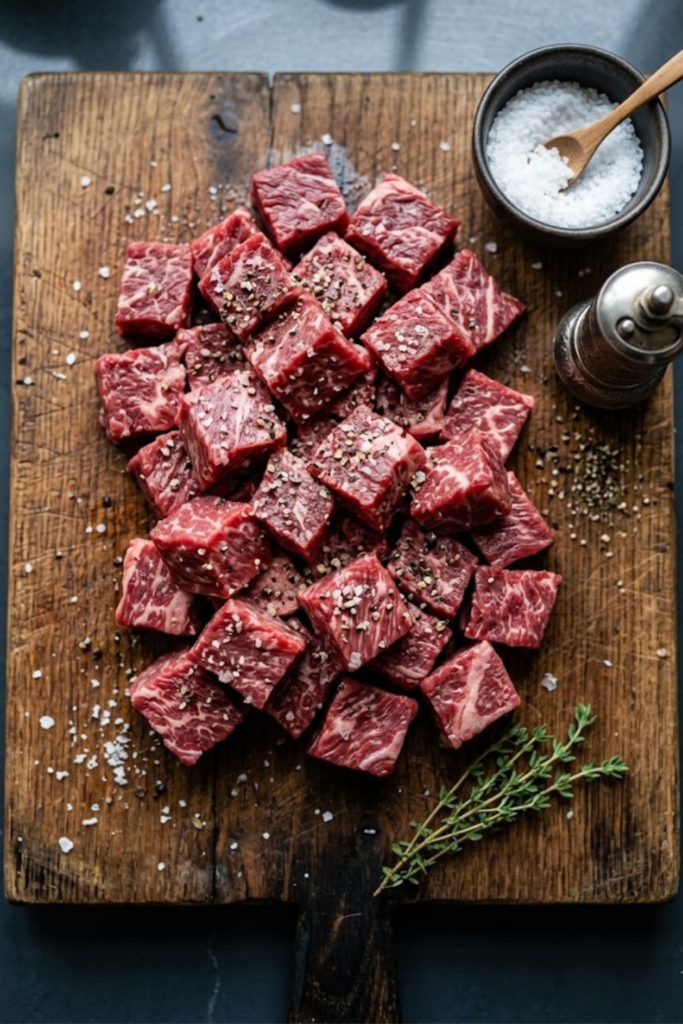
Have you ever noticed those little white lines inside a piece of raw meat? That’s called marbling. It’s actually just fat, but it is the good kind of fat. When that beef hits the hot grill grates, those little flecks melt and go right into the meat. That is what makes your grilled beef kebabs taste so rich and juicy. You don’t want a piece that is 100% red with no white at all, or it might end up a bit dry and tasteless. A little bit of white marbling is your best friend here.
Watch the Size of Your Cubes
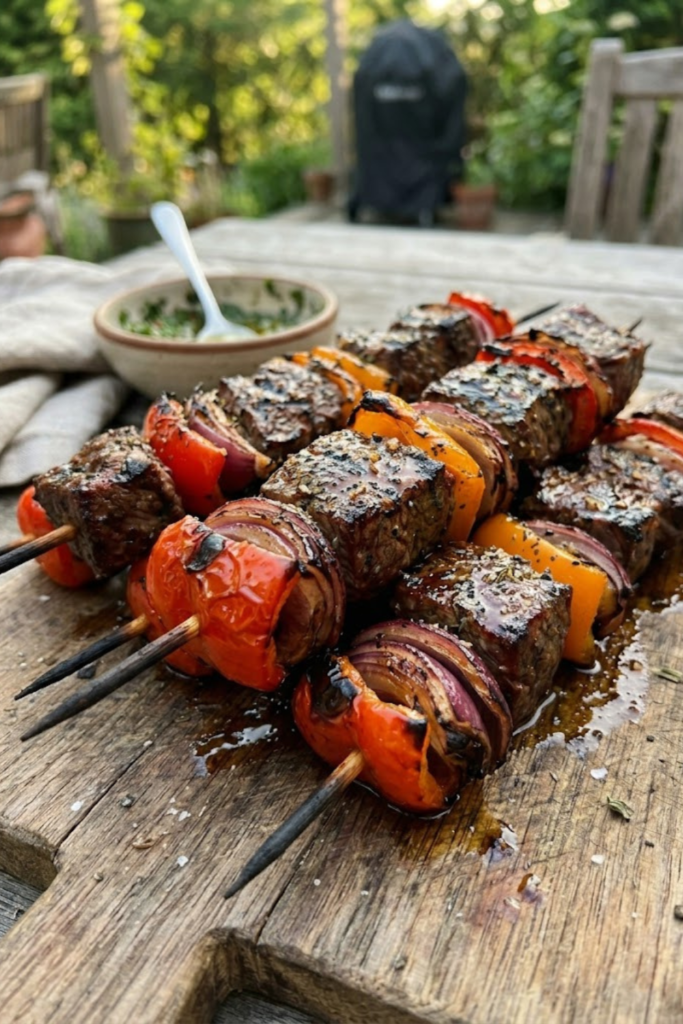
When you are cutting your beef, try to make every piece about one and a half inches. You want them to look like little blocks. If you have some tiny pieces and some giant ones on the same stick, the small ones will be dry and burnt before the big ones are even warm in the middle. Making them the same size makes sure every bite is just as juicy as the last one. It takes a bit of practice with the knife, but you’ll get the hang of it pretty fast. Just keep them uniform and you’ll be the hero of the grill.
The Secret “Tenderizing” Marinade
I honestly used to think that marinating meat was just something fancy chefs did to make things sound more expensive on a menu. Boy, was I wrong! One summer, I tried to make grilled beef kebabs by just throwing the meat straight from the package onto the sticks. I thought the smoke from the charcoal would do all the work. Let me tell you, those things were so bland and dry that my kids actually asked if we could just have cereal for dinner instead. That was a pretty big wake-up call for me. Now, I never skip the soak because it’s the only way to get that deep flavor all the way to the middle of the beef.
Pick Your Acid for Soft Meat
The first thing you need is some kind of acid. This is what actually goes to work on those tough fibers in the beef to make them relax. I usually reach for lemon juice or a good balsamic vinegar. Some people like using pineapple juice, but you have to be really careful with that because it has a super strong enzyme that can turn your meat into mush if you aren’t watching it. A simple splash of vinegar is usually the safest bet. It gives the grilled beef kebabs a little bit of a tang that cuts right through the richness of the steak.
The Umami Punch: Garlic and Soy Sauce
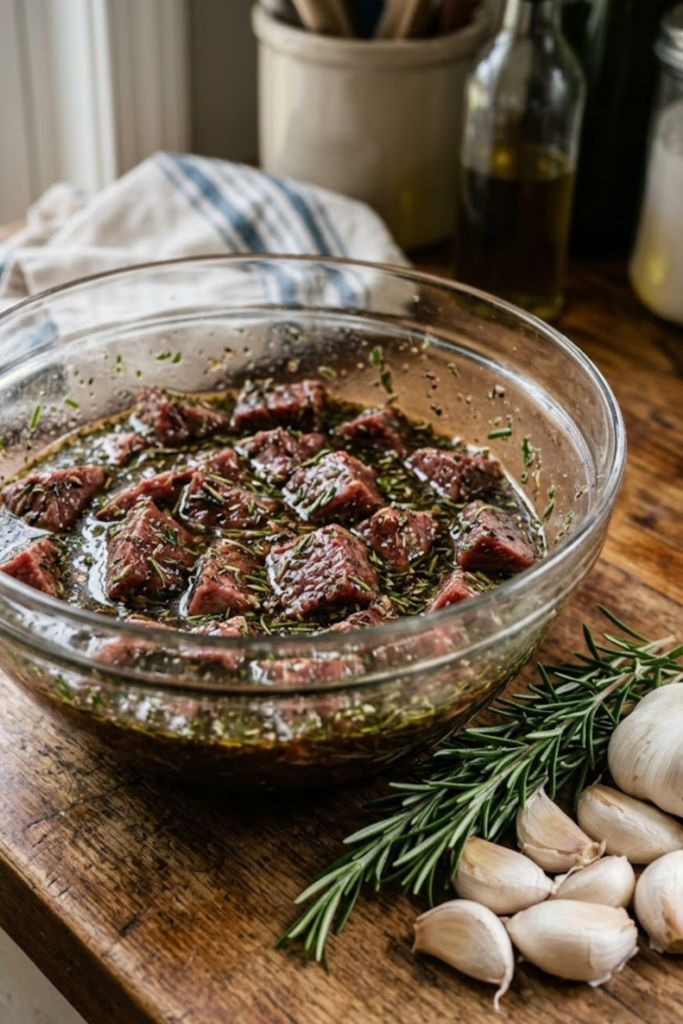
To get that savory, “I can’t stop eating this” flavor, I always use soy sauce and a ton of garlic. I don’t even bother being neat about it—I just smash the garlic cloves with the side of my big knife and toss them into the bag. The soy sauce adds a nice saltiness and helps the meat turn a beautiful dark brown when it hits the heat. I also like to add a spoonful of Worcestershire sauce if I have it in the fridge. It adds a layer of flavor that’s hard to describe but everyone seems to love. Just mix it all in a big zip-top bag so every side of the meat gets covered.
Watch the Clock So You Don’t Get Mushy
A common mistake I see people make is thinking that longer is always better. I once left my beef in a heavy vinegar marinade for two whole days because I got caught up with work. When I finally grilled those kebabs, the texture was totally ruined. It wasn’t “tender,” it was just soft in a weird way that didn’t feel like meat anymore. For the best grilled beef kebabs, you really only need about 4 to 6 hours. If you are in a huge rush, even 30 minutes is better than nothing, but try to give it at least a few hours in the fridge. It makes a world of difference when you finally take that first bite off the skewer.
Grilling Techniques for the Perfect Char
I used to be so impatient when it came to the actual grilling part. I’d see those beautiful grilled beef kebabs sitting on the counter and my stomach would start growling so loud the dog would look at me funny. I would just throw them on the grill before the coals were even white. That is a huge mistake, trust me. If the grill isn’t hot enough, the meat just sticks to the metal and you end up tearing it apart when you try to flip it. It’s a total mess and honestly, it’s pretty heartbreaking to see good steak get ruined like that.
Get the Heat Up First
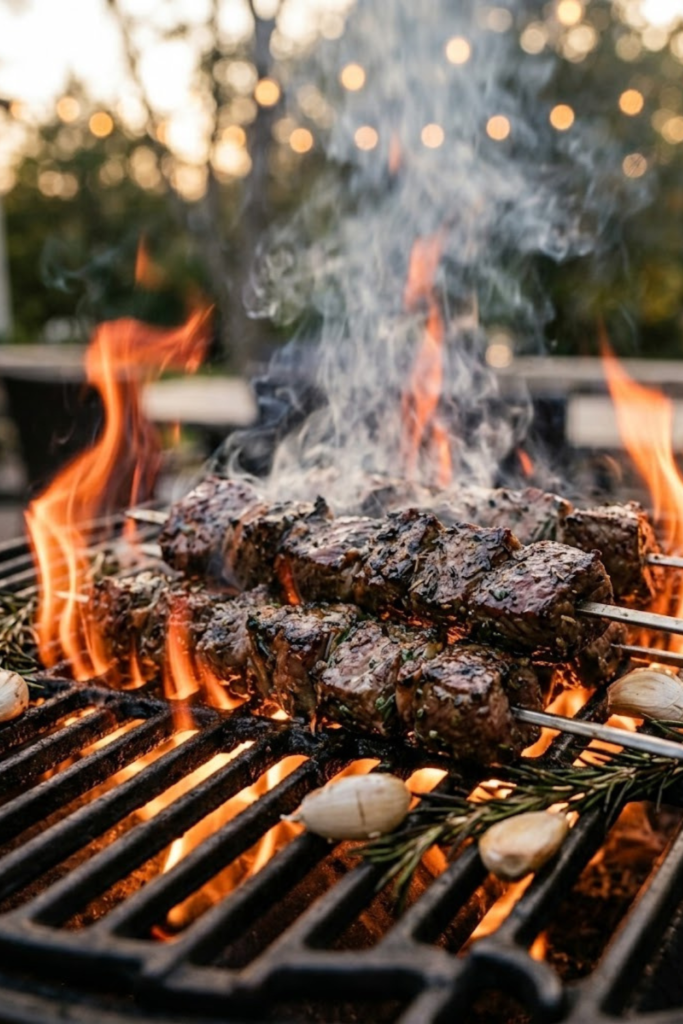
You really need to make sure your grill is screaming hot before those sticks even touch the grate. I usually let my grill preheat for at least fifteen minutes. If you are using charcoal, wait until the coals have a nice layer of gray ash on them. If you’re using gas, turn all the burners to high and close the lid. You want to hear that loud sssss sound the second the meat hits the metal. That sound is the magic happening—it’s called searing, and it locks in all those juices we worked so hard to get into the beef with our marinade.
The “Don’t Touch” Rule
One of the hardest things for me to learn was to just leave the meat alone. I used to be a “flipper.” I would stand there with my tongs and flip the grilled beef kebabs every thirty seconds because I was worried they were burning. But if you keep moving them, they never get those dark, crispy grill marks that taste so good. Give them about three or four minutes on the first side without touching them at all. Once they develop a good crust, they will actually release from the grill naturally. If you pull and the meat feels stuck, it’s usually telling you it isn’t ready to flip yet.
Use a Thermometer for the Win
I know some people say they can tell if a steak is done just by poking it with their finger, but I’ve never been that talented. I always use a digital meat thermometer. For a perfect medium-rare, I look for about 135 degrees. Remember that the meat keeps cooking for a few minutes after you take it off the heat, so don’t wait until it hits 145 or it might end up a bit too dry. Taking that extra step makes sure every single person at the table gets a piece of meat that is pink and juicy in the middle. It takes all the guesswork out of it!
Let the Meat Rest
This is the part where everyone usually fails because the grilled beef kebabs smell so incredible. You have to let them sit on a plate for about five minutes before anyone takes a bite. If you pull the meat off the stick right away, all the juice runs out onto the plate and you’re left with a dry piece of beef. If you wait, the juices stay inside where they belong. I usually just cover the plate with a little bit of tin foil to keep them warm. It’s the longest five minutes of my life, but it is totally worth the wait for that first perfect bite.
Wrapping Up Your Best Ever Grill Night
I really hope this guide helps you feel more confident the next time you fire up the backyard grill. There is just something so special about cooking outside and sharing a good meal with the people you care about most. If you follow these simple steps we went over today, I truly believe your grilled beef kebabs will be the absolute star of the show this weekend. It doesn’t take a professional chef to make a great meal, it just takes a little bit of prep and the right temperature.
Midjourney Prompt: A colorful outdoor picnic table with a platter of finished beef kebabs, bowls of rice, and a fresh salad, soft golden hour sunlight, photorealistic, 4k resolution, sharp focus, size 3:4.
Keep It Simple and Have Fun
I always tell my students that the best food is often the food that is made with a bit of patience and a lot of love. Don’t try to do too much at once, especially if you’re just starting out. If it is your first time making grilled beef kebabs, maybe just stick to the beef and some simple red onions. You don’t need twenty different types of vegetables to make a great meal. I remember one summer I tried to put corn on the cob, cherry tomatoes, and beef all on one single stick. It was a total disaster because the corn took way too long to get soft and the beef was basically a piece of charcoal by the time the veggies were done. Just keep things easy and you will have a much better time.
The Best Sides to Serve
You can’t just have meat on a stick and call it a day! Well, I guess you could, but your guests might be a little bit confused if there isn’t anything else on the table. I usually like to serve these grilled beef kebabs with a big bowl of fluffy yellow rice or maybe some warm grilled pita bread. If you want to be a bit more healthy, a nice fresh cucumber and tomato salad with some salty feta cheese is a perfect match. The cold, crisp veggies really balance out that hot, smoky flavor from the meat. I usually whip up the salad while the meat is resting under the tin foil. It gives me something to do so I don’t start picking at the meat before it has finished resting!
Practice Makes Perfect
Don’t beat yourself up if things don’t go perfectly the first time you try this. I have been grilling for over twenty years and I still overcook things every once in a while. Maybe the wind was blowing harder than usual, or maybe the charcoal was a different brand than what I usually buy. It happens to the best of us! The important thing is that you are out there trying and learning new things. Every time you make grilled beef kebabs, you’ll get a little bit better at knowing exactly when to flip them.
Share the Love!
If you found these tips helpful for your next BBQ, please save this post to your Pinterest board! It helps other home cooks find these recipes and it also keeps my blog going. Plus, it is a great way for you to find this guide again the next time you’re standing in the grocery store wondering which cut of beef to buy. Happy grilling, everyone!