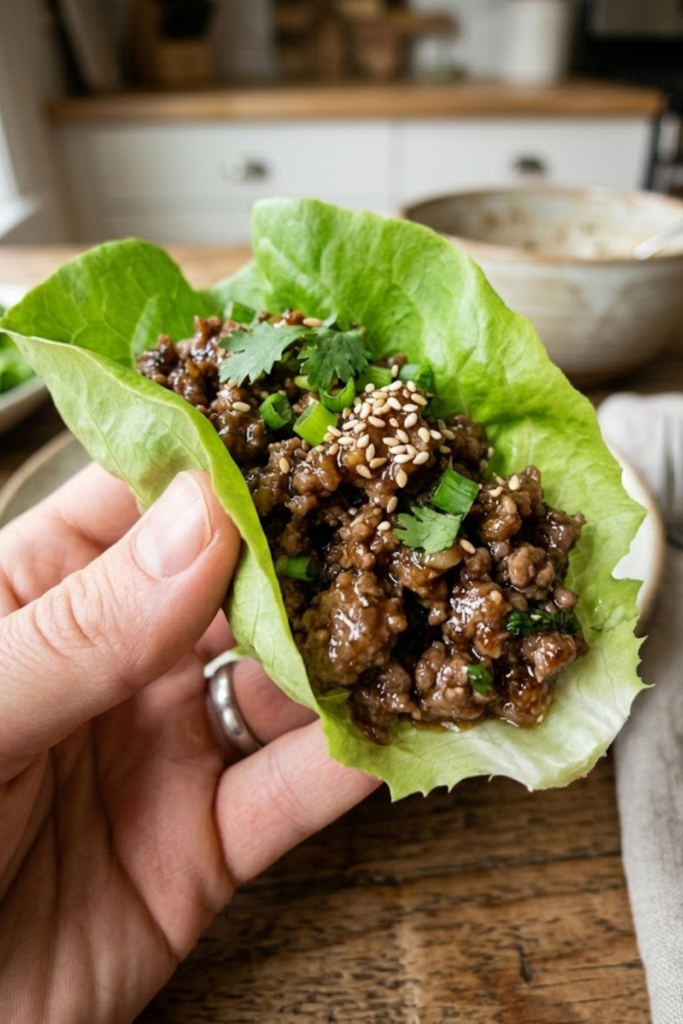
I’ve gotta be honest with you guys—my kitchen is usually a disaster zone by Tuesday night. But then I rediscovered the beef lettuce wrap, and honestly, it’s been a total lifesaver for my sanity! Did you know that over 65% of home cooks in 2026 are prioritizing “under-20-minute” meals that don’t skimp on flavor? That’s a huge number!
I remember the first time I tried making these; I used the wrong lettuce and the whole thing just fell apart in my hands like a soggy mess. It was tragic, really. But after a lot of trial and error (and some very messy shirts), I finally cracked the code to that perfect crunch and savory filling. These are light, protein-packed, and way better than that takeout place everyone used to rave about. Let’s get cooking!
The Best Beef and Proteins for 2026
When I first started making a beef lettuce wrap, I didn’t think much about the meat. I just grabbed the cheapest pack of ground beef at the store and went home. Big mistake! My kitchen smelled like a grease pit and the lettuce got all soggy. Since we are in 2026 now, we have so many better choices for what we put in our pans. Picking the right protein is really the most important part of the whole meal. If you start with bad meat, no amount of sauce is going to save you. Trust me, I’ve tried!
Lean Ground Beef vs. Steak Strips
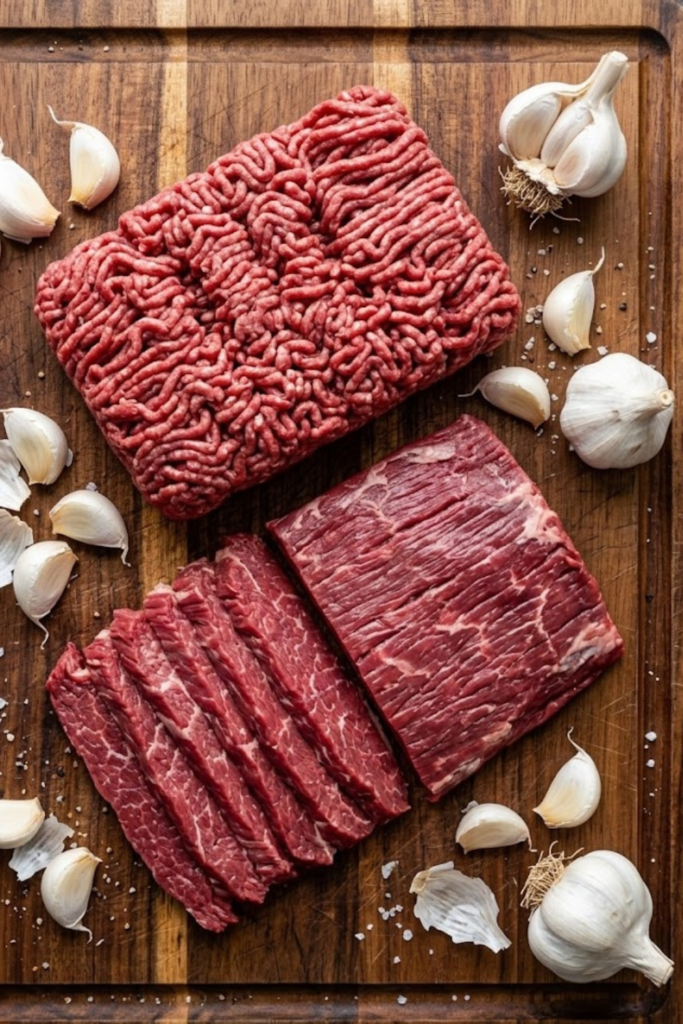
For most nights, I stick with ground beef that is 90% lean. It has just enough fat to taste good but won’t turn your lettuce cup into a swimming pool of oil. You want the meat to be crumbly and slightly crispy. If I’m feeling a little fancy or having friends over, I might use flank steak. I slice it into really thin strips. It gives a totally different feel to the wrap—more like a steak taco but without the heavy tortilla. You have to slice it against the grain though, or it’ll be like chewing on a rubber band. I learned that the hard way at a family BBQ and it was pretty embarrassing!
Why Grass-Fed is the 2026 Standard
Lately, I’ve been trying to buy grass-fed beef. It’s become the big thing this year because people want meat that tastes like, well, meat. It has a bit of an earthy flavor that goes so well with the ginger and soy sauce we use in these wraps. Plus, it’s usually leaner anyway. It costs a couple extra dollars, but I think it’s worth it for a healthy dinner. It makes me feel better knowing where my food is coming from, and the flavor is much deeper than the stuff I used to buy back in the day.
Plant-Based Beef Options
I also have a few friends who don’t eat meat at all. Luckily, the plant-based “beef” we have in 2024 and 2026 is actually pretty good. It browns up in the skillet almost exactly like the real thing. I usually add a little extra splash of sesame oil to it to make sure it has that rich taste. Even my kids couldn’t tell the difference the last time I made them. It’s a great way to keep things light but still get plenty of protein. No matter what you choose, just make sure the pan is hot before the meat hits it!
Choosing Your “Crunch”: The Lettuce Selection Guide
Selecting the right leaf is a lot like choosing the right tires for a car. If you pick the wrong ones, you’re going to slide all over the place and end up with a big mess! I used to think any green leaf would work, but I was totally wrong. I once tried using big kale leaves because I thought I was being “super healthy,” and let me tell you, it was like trying to eat a beef-filled sandpaper wrap. It was a disaster. By now, in 2026, we have some really great options that make this whole process way easier than it used to be.
Why Butter Lettuce is the MVP
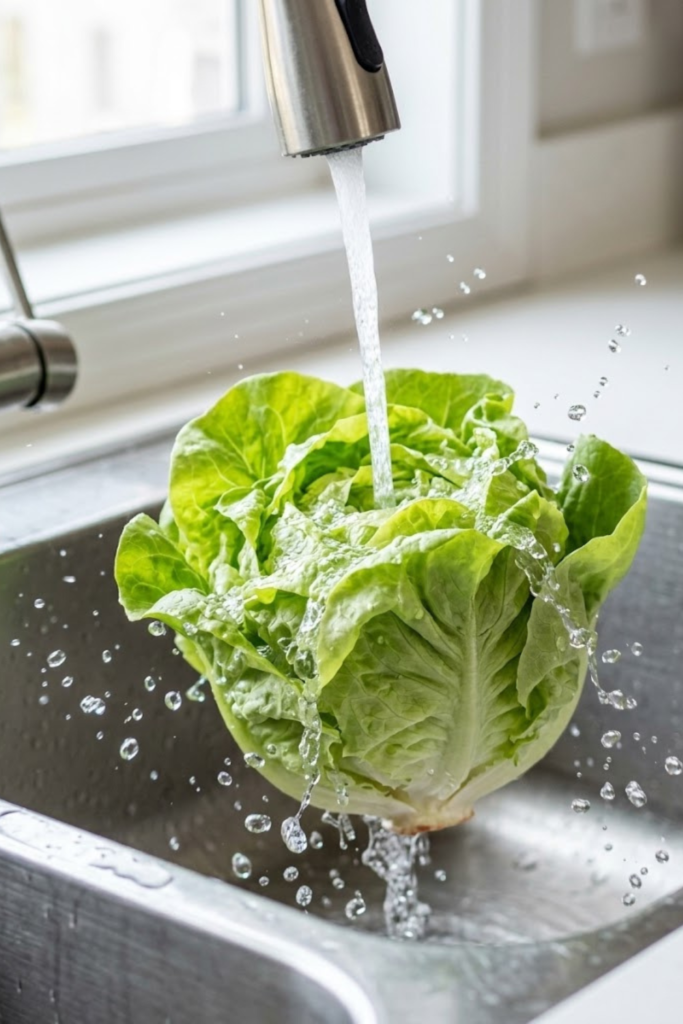
For me, Butter lettuce—you might see it labeled as Bibb or Boston—is the absolute best. It’s the gold standard for a reason. The leaves are soft and bendy, so they don’t snap in half when you try to roll them up. They naturally grow in these cute little cup shapes that are perfect for holding all that juicy beef and sauce. I love how the texture is smooth, but it still has enough body to keep the meal in one piece. Just be careful when you’re washing it; the leaves are a bit delicate and can tear if you’re moving too fast.
The Big Iceberg Crunch
Now, if you are the kind of person who lives for a loud crunch, Iceberg is the way to go. It’s very refreshing and cold, which feels great against the hot meat. My secret trick for getting the leaves off without making them look like shredded confetti is to hit the core of the lettuce head really hard on the kitchen counter. The middle part just pops right out! Then you can let cold water run into the center, and the leaves usually just float apart. It’s a little loud, but it saves so much time and keeps the leaves looking pretty for your plate.
Testing the 2026 Hybrid Greens
This year, I’ve been finding these cool “hybrid” greens at my local grocery store. They are basically a mix between Romaine and Butter lettuce. They have the nice dark green color of Romaine, but they stay super crisp even after you put the hot beef on top. Usually, hot meat makes lettuce turn into a limp, soggy pile, but these new types stay firm for a long time. It’s nice because I can actually sit down and talk with my family instead of rushing to finish before the wrap falls apart. If you see “Crunchy Leaf” or “Stay-Fresh” brands, give them a try!
The Secret Savory Sauce Recipe
I used to think that the beef was the most important part of a beef lettuce wrap, but I was totally wrong. It’s actually all about the sauce! Without a good sauce, you’re basically just eating plain hamburger meat in a salad leaf, and nobody wants that for dinner. I remember one time I tried to make a quick version with just plain soy sauce from a packet I found in the kitchen drawer. It was way too salty and didn’t have any of that sticky, sweet goodness you get at the big restaurants. It was a pretty sad meal, honestly. Since then, I’ve spent a lot of time playing around with different bottles to find the perfect mix.
The Big Three Ingredients
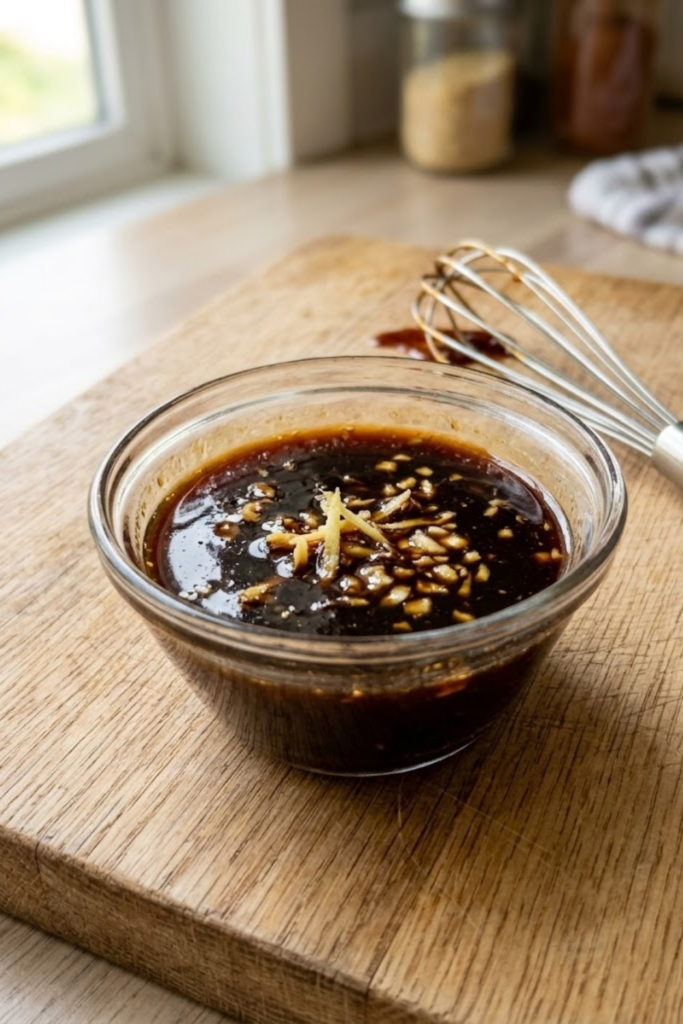
There are three things you absolutely have to have in your pantry if you want your wraps to taste right. First is Hoisin sauce. It’s thick, dark, and sweet—kind of like an Asian BBQ sauce. Next is soy sauce, though I usually use tamari because it’s a bit richer. The third one is toasted sesame oil. You only need a little bit of the oil because it’s super strong, but it gives the whole dish that nutty smell that makes your neighbors jealous. I usually mix these in a small bowl before I even start the stove. It makes the whole cooking process feel way less stressful when the sauce is already sitting there ready to go.
Adding a Little Spicy Kick
My kids don’t like things too hot, but I love a bit of a tingle on my tongue. If you want some heat, you can add a squeeze of Sriracha or some red pepper flakes. In 2026, I’ve started using a bit of chili garlic sauce too. It adds a nice chunkiness to the texture. If you are worried about it being too spicy, just put the hot stuff on the table so everyone can add their own. That way, you don’t end up with kids crying over their dinner because it’s too “spicy-hot.” I also like to add a tiny splash of rice vinegar. It cuts through the sweetness of the Hoisin and makes the flavors pop.
The Trick to Thick Sauce
The biggest problem people have is that the sauce stays watery and just runs out the back of the lettuce wrap and down their arm. To fix this, I sometimes mix a teaspoon of cornstarch with a little water and stir it into the pan at the very end. This helps the sauce grab onto the beef so every bite is coated perfectly. You want the sauce to be like a thick glaze, not a soup. Just make sure the pan is still hot when you add it, and give it a quick stir. It should thicken up in about thirty seconds! It makes the meat look all shiny and delicious, just like the photos you see in magazines.
Step-by-Step: Getting that Perfect Skillet Sear
I’ve learned that the secret to a great beef lettuce wrap isn’t just what you put in the pan, it’s how you treat the meat once it gets there. If you just dump everything in and walk away to check your email, you’re going to have a bad time. I remember my first few tries where the meat looked grey and sad. It didn’t have that bite to it that you get at the fancy bistro downtown. Getting a good sear is about patience and high heat. It might feel a bit scary to turn that dial up, but that is how you get the best flavor for your family.
The Golden Rule of Heat
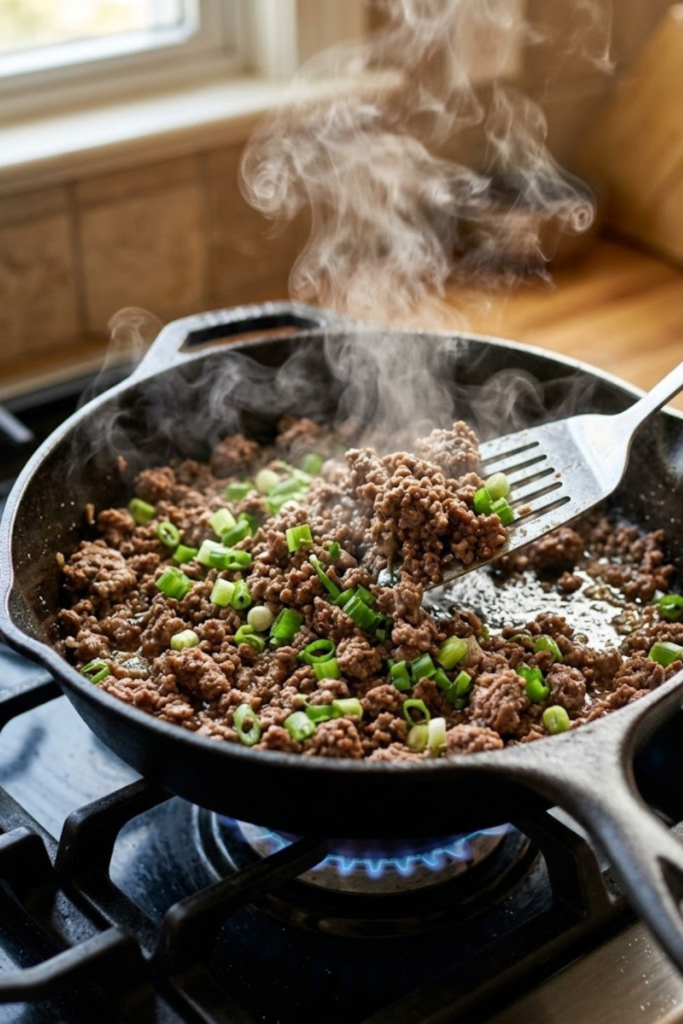
Before you even touch the beef, you need to get your skillet hot. I usually use a cast iron pan because it holds onto heat like a champ, but any heavy pan will work fine. I put a little bit of oil in—usually avocado oil because it doesn’t smoke as fast as olive oil—and wait until it shimmers. If you put the meat in a cold pan, the juices just leak out and the beef basically boils in its own liquid. That is how you get that mushy texture I really hate. You want to hear a loud “psst” sound the second that beef touches the metal. That sound is the music of a good dinner starting!
Don’t Crowd the Pan
This is a mistake I still make sometimes when I’m in a big hurry to feed the kids. If you have two pounds of beef, don’t try to cook it all at once in one small pan. It lowers the temperature too fast and ruins the sear. Cook it in batches if you have to. Once the meat is in, let it sit for a minute before you start breaking it up. This lets a nice crust form on the bottom. Then, use a stiff spatula to crumble it into small pieces. You want those little brown bits because they are packed with savory goodness. I always keep a paper towel handy to dab up any extra grease so the wraps stay light and don’t get too oily.
Adding the Final Touches
Once the meat is mostly browned and crispy, that is when I throw in the diced water chestnuts. In 2026, I still think water chestnuts are the best way to get that authentic restaurant feel. They don’t really have a strong taste, but the “crunch” they add is so satisfying. This is also when I toss in the green onions and my sauce mix. Give it all a good toss for about two minutes. The sauce will bubble and get sticky, coating every single piece of beef. It should look glossy and smell amazing. Just try not to eat it all straight out of the pan before it hits the lettuce!
Putting it All Together and Enjoying Your Meal
So, you have your crispy beef and your perfect lettuce leaves ready to go. Now comes the best part: actually eating! I remember the first time I served these to my family. I just put a big bowl of meat and a plate of lettuce in the middle of the table and told everyone to go for it. It was a little messy, but we had so much fun. In 2026, we are all so busy that having a meal where you actually interact with your food feels like a nice break from looking at screens all day. These wraps are light, tasty, and honestly just plain fun to build.
Assembling Like a Pro
When you go to build your beef lettuce wrap, try not to overfill it. This is the number one mistake people make. I used to pile the beef as high as I could, but then the lettuce would just tear and I’d have ground beef all over my lap. Not great! Just put a couple of spoonfuls of the warm beef in the center of the leaf. I like to top mine with some extra sliced green onions and maybe a few sprigs of fresh cilantro. If you have some crushed peanuts or sesame seeds, sprinkle those on too. It gives it that extra layer of texture that makes it feel like it came from a professional kitchen.
What to Do with Leftovers
If you have any beef left over, don’t worry! It stays good in the fridge for a few days. The big thing is to keep the beef and the lettuce separate. If you put the meat inside the lettuce and then put it in a container, the lettuce will turn into a slimy mess by tomorrow morning. I usually put the beef in a glass bowl and keep the lettuce heads in a zip-top bag with a dry paper towel to soak up any extra moisture. The next day, you can just heat the beef up in the microwave for a minute, and you have a perfect lunch ready to go.
Final Thoughts from My Kitchen
Making a healthy dinner doesn’t have to be a big, scary task. These wraps are proof that you can have something that tastes amazing without spending three hours at the stove. I’ve made these for everything from quick Tuesday night dinners to Friday night parties with my neighbors. Everyone always asks for the recipe! I hope this guide helps you feel more confident in your kitchen. Remember, it’s okay if the first few wraps fall apart. Just keep practicing and have fun with it.
If you loved this recipe, please save it to your “Healthy Dinners” board on Pinterest so others can find it too!