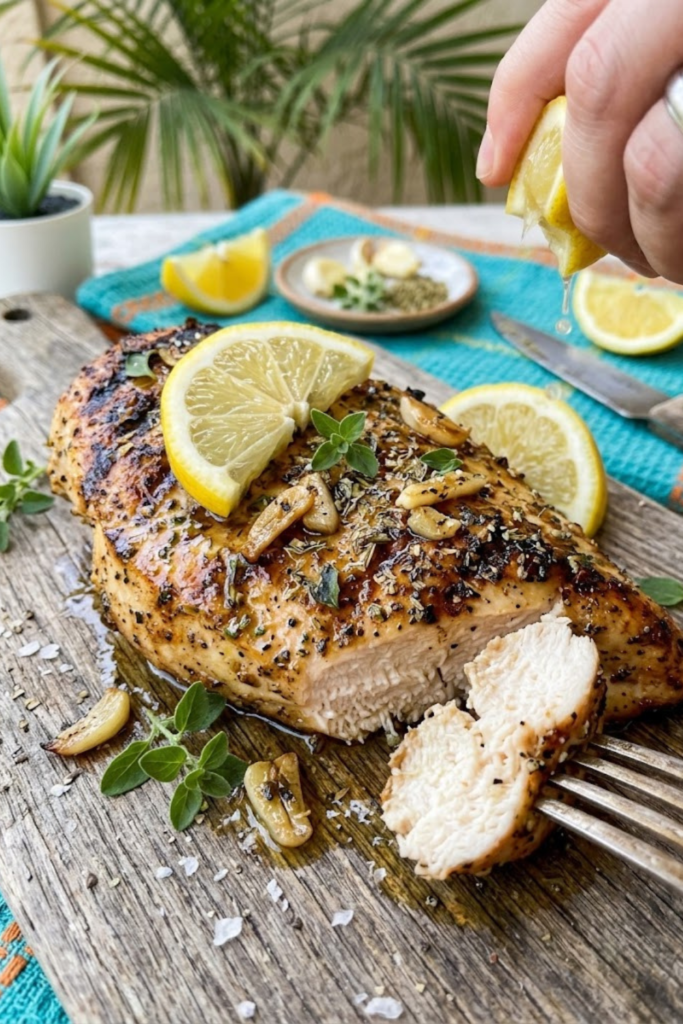
I used to think that grilling chicken was just a fancy way of making edible sandpaper! Seriously, I’ve served more dry, flavorless bird than I’d like to admit to my neighbors. But then I figured out the magic of a garlic lemon grilled chicken breast, and honestly, it changed my life. Did you know that chicken is the most searched protein on recipe sites? It’s because we all want that perfect bite that isn’t like chewing on a shoe. This recipe brings that bright, zingy citrus together with the punch of fresh garlic to make something that actually tastes like summer on a plate.
Why Your Grilled Chicken Usually Ends Up Dry
I remember one time I invited my fellow teachers over for a summer cookout. I was so proud of my new grill and thought I was a real pro. I threw those chicken breasts on the fire, but by the time we sat down to eat, it was like we were all chewing on pieces of dry cardboard. It was so embarrassing! We ended up ordering pizza because nobody could swallow that meat. The truth is, chicken breast is a very lean protein. This means it doesn’t have much fat to keep it moist while it cooks. If you treat it like a beef burger or a thick steak, you’re going to have a bad time. Most folks make a few common mistakes that turn a great meal into a chore to chew. Let’s look at why your poultry is coming out like a desert instead of a juicy delight.
The Danger of High Heat and Uneven Shapes
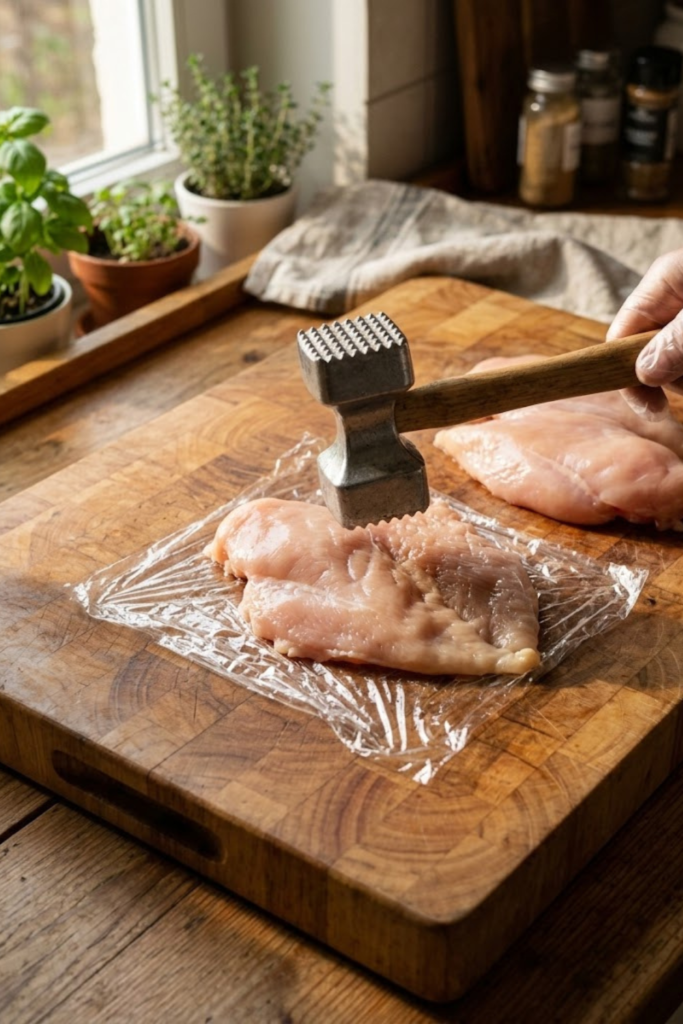
One big problem I see all the time is the shape of the chicken itself. If you look at a standard breast, one side is thick and the other side is really thin. If you just toss it on the grill like that, the thin side is going to be totally done way before the thick part even gets warm. By the time the middle is safe to eat, the edges are basically turned into wood. I used to think I could just “keep an eye on it,” but the fire is way too fast for that. You really need to make the meat the same thickness all over before you start. Also, cranking the heat up to the max is a big mistake. High heat just burns the outside while leaving the inside raw. It is better to keep things at a steady medium-high so the heat has time to travel through the meat without scorching the surface or the garlic in your marinade.
Skipping the Rest and the Thermometer
Another thing I noticed is that people cut into their chicken the second it comes off the grates. I get it, you are hungry and it smells great! But if you do that, all the juices just run out on your cutting board. You have to let it sit for at least five or ten minutes. This lets the meat fibers relax and hold onto that moisture. Also, you have to stop guessing if it is done. I used to poke it with my finger or cut a slit in it to see the color, but that’s not accurate and just lets the juice out. Buy a cheap meat thermometer. If you wait until it’s 175 degrees because you are scared of getting sick, you’ve already lost the battle. Take it off at 160 or 165 degrees and let it rest. It makes a massive difference in how it tastes.
The Secret Garlic Lemon Marinade
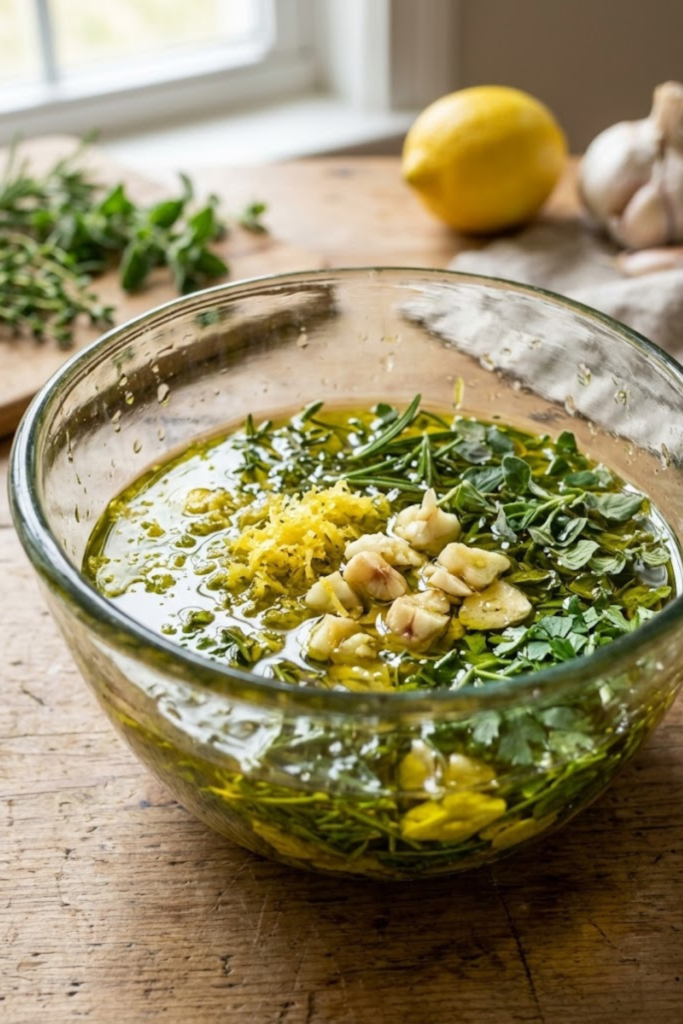
I used to think that a marinade was just a fancy word for “extra dishes to wash.” In my early days of cooking, I would just sprinkle some salt and squeeze a bit of lemon juice on the meat right before I threw it on the fire. I thought I was being efficient, but I was really just making bland food. A proper marinade for garlic lemon grilled chicken breast actually does two important jobs. First, it carries those bright flavors deep into the center of the meat so every bite tastes good. Second, the oil and acid help break down the tough parts of the poultry so it stays soft while it cooks. If you just put spices on the outside, they often just burn off or fall into the coals, leaving you with plain meat that needs a gallon of sauce to be edible.
Use Real Stuff, Not the Bottle
One thing I tell all my students is that you can’t get great flavor out of a plastic bottle. That yellow squeeze lemon in the back of your fridge? It usually has a weird, metallic aftertaste that can really mess up your dinner. For this recipe, you need real lemons. I use the juice, but I also use a grater to get the zest—that’s the yellow part of the skin. The zest has all the essential oils that give you that huge punch of citrus smell. And when it comes to the garlic, don’t be shy! I like to take about five or six big cloves and mash them into a paste with a little bit of salt. This paste sticks to the meat much better than big chunks do. Big pieces of garlic usually just turn black and bitter on the grill, but a paste blends right into the oil and coats everything perfectly.
The Importance of Timing and Oil
A common mistake I see is people forgetting the oil or letting the meat sit for way too long. You need a good amount of olive oil because it helps the dried herbs—like oregano or thyme—stick to the chicken. It also creates a bit of a shield so the lemon juice doesn’t work too fast. I once left my chicken in the fridge in this mixture overnight, thinking it would be even better the next day. It was a total disaster! The acid in the lemon basically started to “cook” the meat fibers, and it turned the chicken into a mushy mess that felt like eating wet paper. To get the best results, aim for about 30 minutes to two hours. I like to use a big zip-top bag because you can squeeze all the air out. This makes sure every single inch of the chicken is touching that liquid gold, unlike a bowl where the top pieces often stay dry and flavorless.
Mastering the Grill Marks
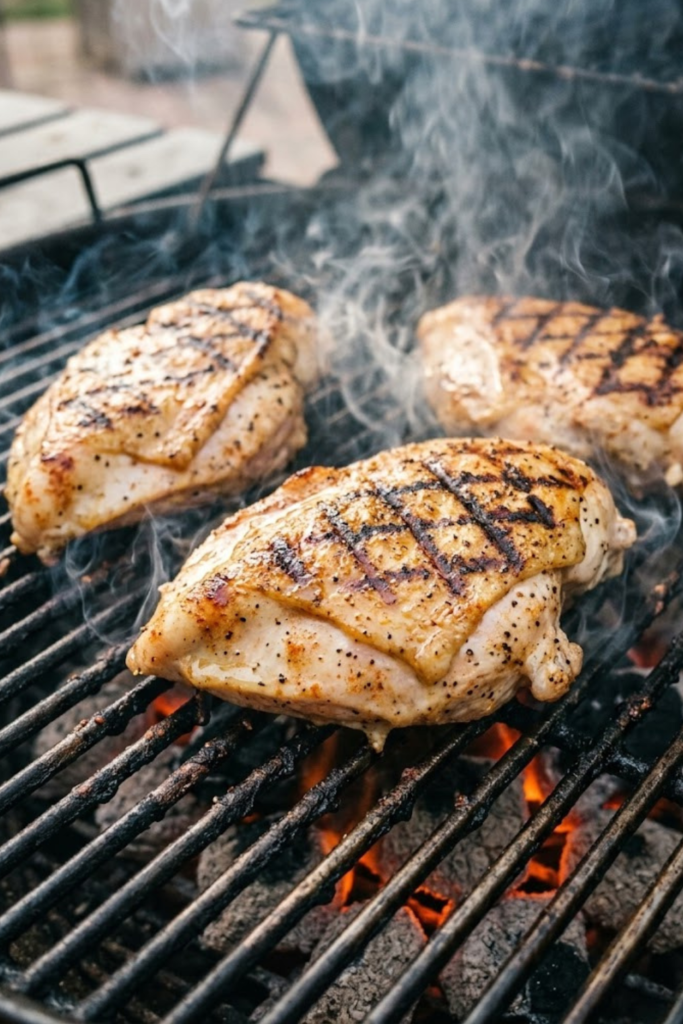
I used to think that those pretty grill marks were just for show, like the fake ones you see on fast food commercials. But after years of trial and error in my own backyard, I realized those marks actually add a lot of flavor. It is called char, and it gives the garlic lemon grilled chicken breast that smoky, summer taste we all love. Getting those perfect lines isn’t about being a professional chef; it is mostly about patience and having a clean grill. If your grates are covered in last week’s burgers, your chicken is going to stick and tear. You’ll end up with a mess instead of a masterpiece. I always tell my friends that a clean grill is the first step to a great meal.
The “Golden Rule” of the First Flip
One of the hardest things for me to learn was to just leave the chicken alone! When I first started grilling, I would stand over the heat and flip the meat every two minutes. I thought I was being helpful, but I was actually ruining the crust. To get those beautiful diamonds or straight lines, you have to let the chicken sit undisturbed for at least five or six minutes. If you try to lift it and it sticks to the metal, that is the chicken’s way of telling you it isn’t ready to move yet. Once the meat develops a good sear, it will naturally release from the grill. I usually set a timer on my phone so I don’t get distracted by the kids or the dog and forget how long it has been sitting there.
Oiling the Grates and Managing Heat
A big mistake I made for a long time was putting the oil only on the chicken. You actually need to oil the grill grates right before the meat goes down. I take a bunch of paper towels, soak them in a bit of vegetable oil, and use my long tongs to rub it over the hot bars. Be careful, though, because it can flare up! Speaking of flares, keep an eye on the dripping marinade. The oil and lemon juice can cause the fire to jump up and soot your food. If the flames get too high, just slide the chicken to a cooler part of the grill for a minute. You want medium-high heat, not a blowtorch. This helps the garlic brown nicely without turning into bitter black bits.
Trust Your Thermometer, Not Your Eyes
Lastly, stop cutting the meat to check if it’s done. Every time you poke a hole in it, you lose the moisture you worked so hard to keep inside. I finally bought a digital meat thermometer, and it was the best ten bucks I ever spent. I pull my chicken off when it hits about 160 degrees because the temperature keeps rising a little bit while it sits on the plate. This is called carryover cooking. If you wait until it hits 170 on the grill, it will be 175 by the time you eat it, and you’re back to that dry cardboard texture we talked about earlier. Give it a rest for five minutes under some foil, and you will have the best meal ever.
Wrapping Up Your Perfect Chicken Feast
Now that you have all the tools to make a killer garlic lemon grilled chicken breast, it is time to think about the big picture. I’ve found that this recipe is a total staple in my house because it is so flexible. Being a teacher, I don’t always have hours to spend in the kitchen on a weeknight, and I’ve graded enough papers to know that a simple plan is usually the best one. This chicken isn’t just a one-hit-wonder for a single dinner; it’s the start of about five different meals if you play your cards right. I love it when a recipe works hard so I don’t have to.
What to Serve on the Side
I used to get stuck in a rut of just serving plain white rice every single night. While rice is fine, this chicken deserves a bit more personality on the plate. Since you already have the grill going, you should use that extra space! I love to toss some thick slices of zucchini or a bunch of asparagus in a little bit of olive oil and salt. They only take a few minutes to get those nice char marks. If you want something a bit heavier, try roasting some baby potatoes with rosemary. The earthy herb flavor of the potatoes really balances out the bright zing of the lemon on the meat. I once tried to serve this with a heavy, cheesy pasta, and it just didn’t feel right. Stick to things that feel fresh and light.
Meal Prep for the Busy Week Ahead
If you are like me and find yourself staring at an empty fridge on a Wednesday morning, listen up. I usually buy the big family-sized packs of chicken and grill them all at once on Sunday. Once the meat has rested and cooled down, I slice it into strips and put it into glass containers. This is way better than buying those pre-cooked strips from the store that taste like plastic. You can throw the cold chicken on a bed of spinach for a quick lunch, or tuck it into a whole-wheat wrap with some hummus and cucumber. It stays juicy for about three or four days, which is a lifesaver when you are too tired to cook another meal from scratch.
Final Thoughts and Sharing
I really hope these tips help you avoid the “cardboard chicken” disaster I went through years ago. Cooking should be fun, not a stressful test that you’re afraid to fail. Just remember to flatten that meat, use fresh lemons, and keep your thermometer handy. Once you see your family actually clearing their plates, you’ll know it was worth the effort. If you found these tips helpful and want to keep them for your next backyard BBQ, please share this post on Pinterest! It really helps me out, and it helps your friends stop serving dry chicken too.