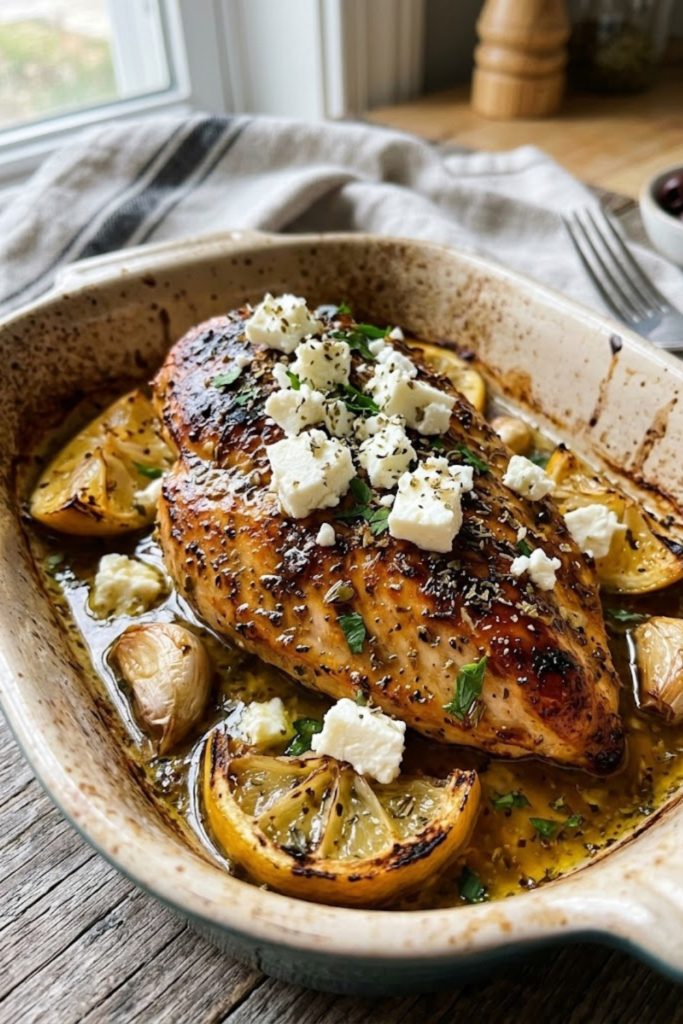
I used to think chicken breast was the most boring thing on the planet—seriously, like chewing on a piece of dry cardboard! But then I discovered that a simple blend of olive oil, oregano, and lemon can transform a plain bird into a Mediterranean masterpiece. Did you know that the Mediterranean diet has been ranked as the healthiest way to eat for eight years in a row? It’s true! This baked Mediterranean chicken breast isn’t just healthy; it’s a total flavor bomb that’s going to save your Tuesday nights. Trust me, once you try this “sunshine on a plate,” you’ll never go back to bland poultry again!
Essential Ingredients for Mediterranean Flavor
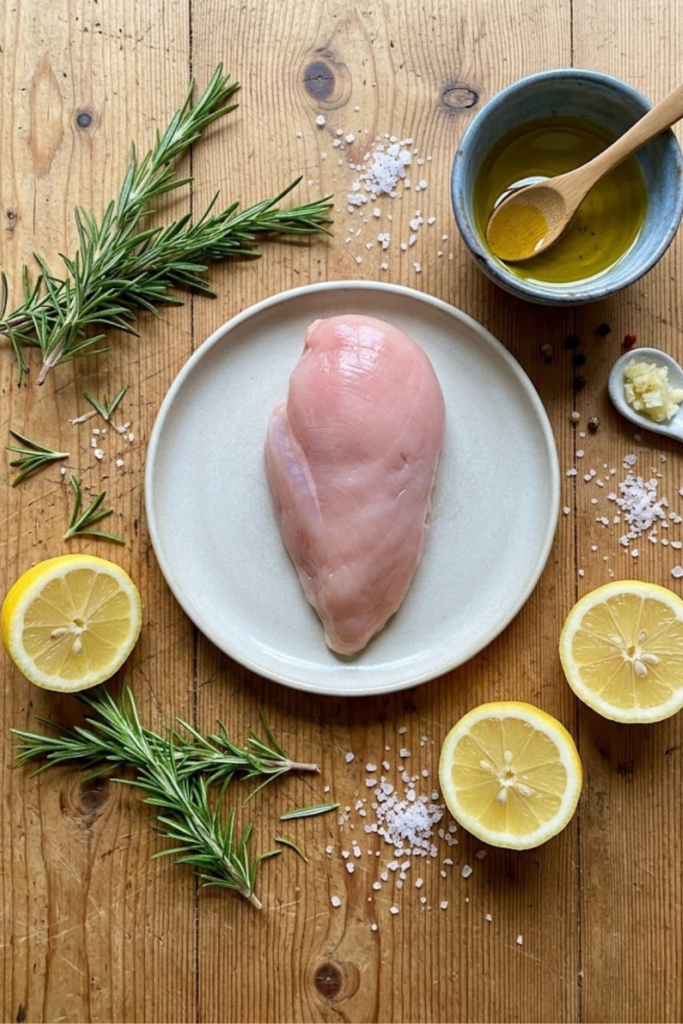
When I first started cooking for my family, I used to get so overwhelmed by recipes that had twenty different spices. I’d be standing in the grocery store aisle feeling totally lost and a bit frustrated. But I learned that the Mediterranean style of cooking is actually pretty simple. It is about using a few really good items that do a lot of work for you. For this chicken, you don’t need a pantry full of expensive stuff. You just need the basics done right. I’ve made this hundreds of times, and I found that these specific ingredients make the biggest difference in how the meal turns out.
Start with High-Quality Olive Oil
The foundation of this whole dish is extra virgin olive oil. Don’t grab the cheapest bottle on the shelf. You want something that tastes a bit like fresh grass or maybe a little peppery. This oil does more than just stop the chicken from sticking to your baking pan. It carries the flavor of the herbs right into the meat. I usually pour a generous amount in a big glass bowl and let the chicken sit in it for a bit. It helps the breast stay moist even when the oven is really hot. If you use a low-quality oil, you might miss out on that rich taste that people love about food from this part of the world.
The Power of Lemon and Garlic
You really can’t have a Mediterranean meal without lemons. I like to use both the juice and the bright yellow skin, which people call the zest. The acid in the juice is great because it helps break down the tough parts of the chicken meat. This makes your dinner soft and easy to chew instead of feeling like rubber. And let’s talk about garlic. I always tell my students to use more than the recipe says! I like to crush the cloves myself with the side of a knife rather than using the pre-chopped stuff from a jar. Fresh garlic has a sharp bite that gets sweet and mellow as it bakes in the oven. It mixes with the lemon juice to create a sauce that tastes like a summer vacation.
The Three Big Herbs and Salt
Dried oregano is the star of the show here. It has an earthy smell that I just love. I also like to add some dried thyme and a little bit of rosemary. If you have a garden with fresh herbs, definitely use those! But dried ones are great because their flavor is very strong. I usually rub the dried leaves between my palms before I sprinkle them on the meat. This wakes up the natural oils inside the leaves. Also, don’t forget a good pinch of sea salt. Salt helps all these other flavors pop. Without enough salt, even the best herbs will taste a bit flat. Just keep things simple and let these ingredients do their job.
The Secret to Juicy, Never-Dry Chicken
I’ve seen so many people give up on cooking chicken breasts because they end up like a piece of rubber. It’s really sad, because it doesn’t have to be that way. I used to be that person too. I’d cook the meat until I was absolutely sure it wasn’t raw anymore, but by then, it was so dry I needed a gallon of water just to swallow a single bite. After years of teaching and cooking for my busy family, I found a few tricks that actually work every single time. If you follow these simple steps, your chicken will be so tender you can practically cut it with a fork. It’s not hard to do, but it makes a huge difference in how your dinner tastes.
Use a Meat Mallet to Even it Out
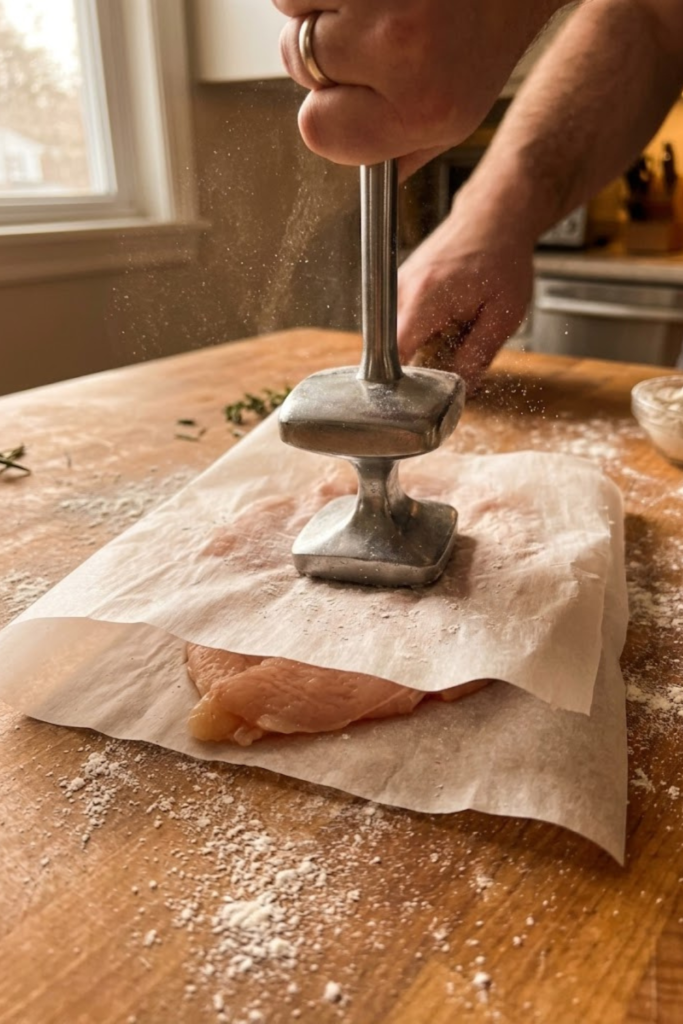
One thing you’ll notice about chicken breasts is that they are naturally uneven. One end is usually really thick and the other end is skinny. If you just throw it in the oven like that, the thin part gets way overcooked while the thick part is still pink. To fix this, I like to put the meat between some plastic wrap or pieces of parchment paper. Then, I use a heavy mallet or even a heavy pan to gently whack the thickest part. You want the whole piece to be about the same thickness all across. This is actually a great way to get out some stress after a long day at work! When the meat is even, it cooks at the same speed, which means you won’t have any dry, burnt edges.
The Power of the Quick Soak
A lot of people skip the soaking part because they are in a big rush to get food on the table. I get it, life is fast. But even 30 minutes in a simple mix of salt and water, or just letting it sit in your oil and lemon juice mix, makes the meat much softer. The salt helps the chicken hold onto its moisture while it sits in the hot oven. I usually start this right when I walk through the door. By the time I have the oven heated up and the table set for the kids, the chicken is ready to go.
Stop Cooking at 165 Degrees
This is probably the most important part of the whole process. Go out and get yourself a cheap meat thermometer if you don’t have one. It is honestly the best tool in my kitchen drawer. You want to pull the chicken out of the oven the second it hits 165 degrees Fahrenheit. If you let it go much higher than that, the protein starts to get tough and stringy. Once it is out, you have to let it sit on a cutting board for at least five minutes. This lets the juices move back into the center of the meat. If you cut it right away, all that yummy juice just runs out on the plate, and your chicken will end up dry anyway. Just be patient for five minutes!
Step-by-Step Cooking Guide
Once you have your chicken prepped and your ingredients ready, it is time to actually get cooking. I know that standing in front of a hot stove can feel like a lot of work after a long day at the school where I teach, but this part is actually pretty fast. The main thing is to stay organized. I usually clear off my counter so I have plenty of space to move around. You don’t want to be hunting for a spatula while your garlic is starting to burn! This part of the process is where all that hard work you did with the marinade and the meat mallet really starts to pay off. You are gonna smell those herbs filling up your house in just a few minutes, and it is honestly the best part of the day.
Getting the Oven and Pan Ready
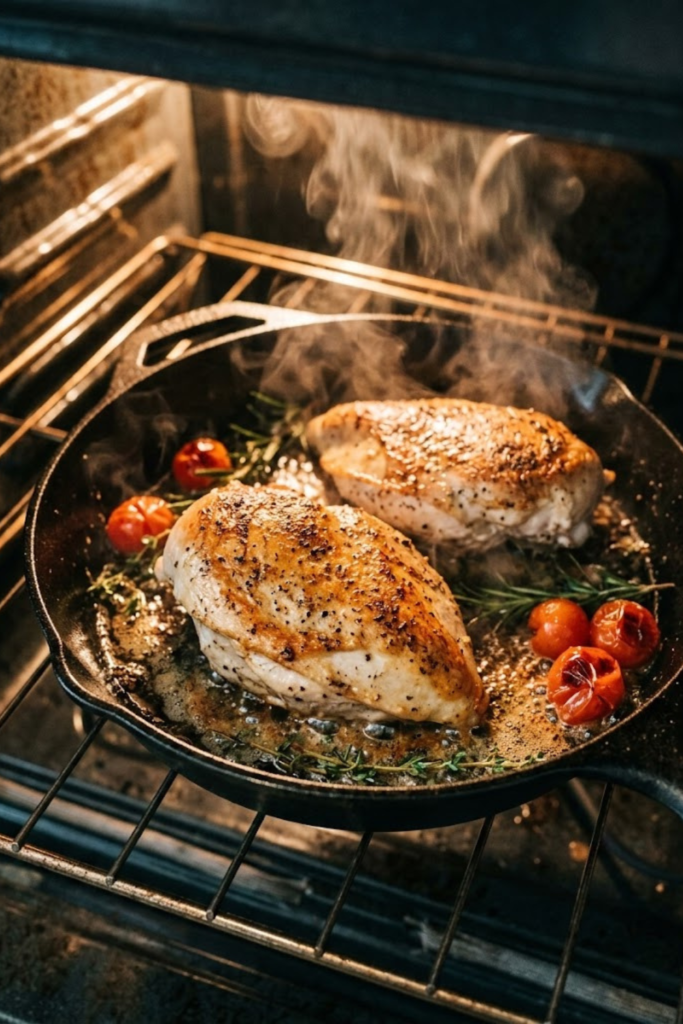
First things first, you need to get your oven hot. I set mine to 400°F (200°C). Some people like to go lower, but I find that a higher heat helps get a nice golden color on the outside without drying out the middle. While the oven is heating up, I pick out my favorite heavy pan. I really love using a cast iron skillet because it holds heat so well, but a regular rimmed baking sheet works just fine too. I usually wipe a little bit of extra oil on the bottom of the pan just to be safe. You don’t want that delicious herb crust sticking to the metal and staying behind when you try to serve dinner!
Coating and Searing the Meat
Now, take your chicken out of the marinade and put it in the pan. I make sure to pour any leftover oil and herbs right over the top. You want every single inch of that meat covered in the green bits of oregano and the yellow lemon zest. If I’m using a skillet, I sometimes start it on the stovetop for two minutes just to get a little sizzle going before I slide the whole thing into the oven. This gives the chicken a head start on getting that pretty brown color. If you are using a baking sheet, just put them on there with a little space between each piece so they roast instead of steaming.
Adding the Little Extras
About halfway through the cooking time, I like to open the oven and toss in some extra goodies. I usually grab a handful of cherry tomatoes and some salty kalamata olives. I just scatter them right around the chicken in the same pan. The tomatoes will start to pop and release their juices, which mixes with the chicken fat and the lemon juice to make a built-in sauce. It is so easy and makes the plate look like something you’d get at a fancy restaurant. Just keep an eye on your timer and remember to check that temperature like we talked about earlier. Usually, it takes about 18 to 22 minutes depending on how big your chicken breasts are. Then you are ready to eat!
Serving Suggestions and Side Dishes
Whenever I pull this chicken out of the oven, the first thing my kids ask is, “What are we having with it?” I think the side dishes are just as important as the main meal because they help fill everyone up and make the plate look really colorful. Since this is a Mediterranean-style meal, I try to keep the sides light and fresh. You don’t want something super heavy like mashed potatoes that might hide the taste of the lemon and herbs. I’ve found a few favorites over the years that my students and my own family always seem to love. It makes the whole dinner feel like a big celebration even if it is just a random Wednesday night.
Fresh Salads and Fluffy Grains
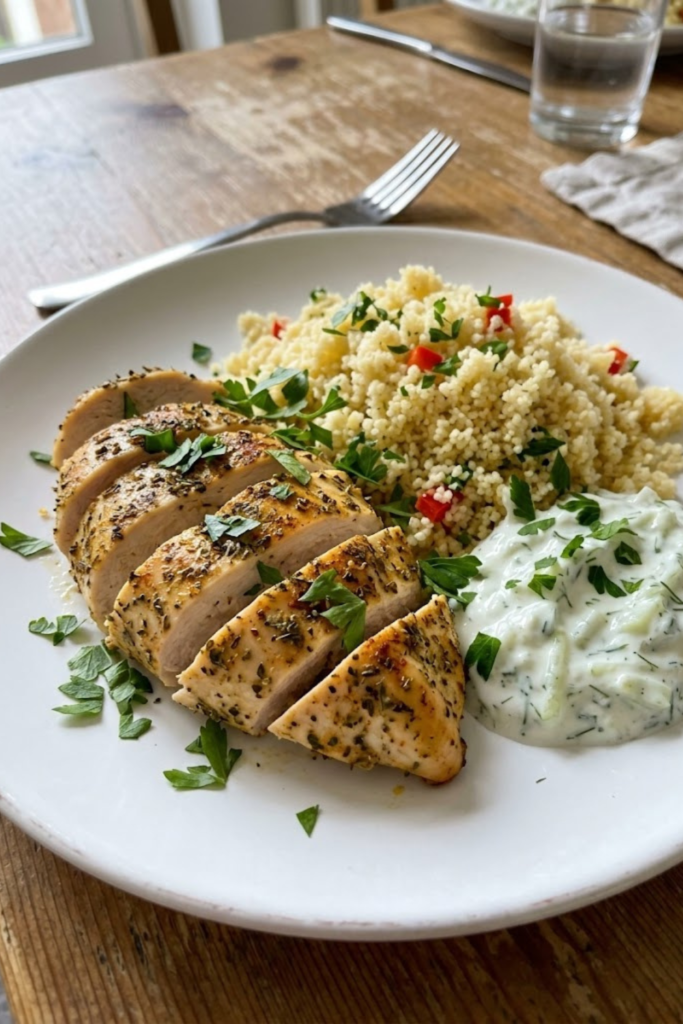
The best thing to put next to this chicken is a big Greek salad. I just chop up some cucumbers, red onions, and more of those cherry tomatoes. I don’t even make a complicated dressing; I just use a little more of that olive oil and a squeeze of lemon. If you want something a bit more filling, I suggest making some couscous or quinoa. These are great because they soak up all the extra juices from the chicken pan. I like to fluff the grains with a fork and mix in a little bit of chopped parsley. It looks so pretty on the plate and it really fills up the hungry teenagers in my house.
The Magic of Toppings and Dips
You really should try serving this with a big dollop of tzatziki sauce. If you’ve never had it, it is just yogurt mixed with grated cucumber and garlic. It is cool and creamy, which feels really good against the warm, savory chicken. Sometimes I just buy a tub at the store to save time, and nobody even knows the difference! I also like to crumble some feta cheese over the top of the chicken right before I bring it to the table. The cheese gets slightly soft from the heat of the meat and adds a nice salty bite. If you have some extra lemon wedges, put those on the side too so people can add more zip if they want.
What to Do with the Extras
I almost always cook two or three extra chicken breasts just so I have leftovers for the next day. Being a teacher, I don’t always have a lot of time to make a fancy lunch. This Mediterranean chicken is actually really good when it is cold. I like to slice it thin and put it inside a pita bread with some hummus and spinach. It is way better than a boring ham sandwich! You can also chop it up and put it on top of a big green salad for a healthy lunch that keeps you full until dinner. It’s a great way to make sure you aren’t wasting any food while also making your life easier the next morning.
Bring the Mediterranean to Your Kitchen
I really hope you give this baked Mediterranean chicken breast a try tonight or sometime very soon. As a teacher, my days are usually packed with grading papers and planning for the next week, so I don’t have hours to spend in the kitchen. This recipe has been a real lifesaver for me and my family. It proves that you don’t need to be a professional chef to make a meal that everyone actually wants to eat. Looking back, I wish I had known these simple tips years ago! It would have saved me from many dry, flavorless dinners that nobody in my house wanted to finish.
Why This Recipe is a Real Winner
The best thing about this dish is how much it changes your daily routine. It’s healthy, which is something I always worry about as a parent and as someone who cares about what my students eat too. We all want our kids and ourselves to eat better, and the Mediterranean way of eating is such a good way to do that without making it feel like a chore. Plus, the smells that fill your home while the chicken is baking are just amazing. It makes the whole house feel cozy and warm after a long day at work or school. I’ve shared this recipe with many of my friends at the school, and they always come back telling me how much their families loved it. It’s just one of those reliable meals that you can count on when you’re tired but still want a good, warm dinner. You don’t have to deal with any hard steps, and that is why I love it so much.
Making the Recipe Your Own
Don’t be afraid to change things up a little bit! Maybe you like a lot more garlic than I do, or you want to try a different kind of olive. That’s the beauty of cooking at home in your own kitchen. You can make it exactly how your family likes it. I’ve found that even if I make a small mistake with the spices, the lemon and oil usually fix it and make it taste great anyway. Cooking is all about trying new things and not being scared of the oven. I really believe that anyone can make this and feel like a star in their own home.
Share the Love on Pinterest
If you enjoyed these tips and think they might help someone else who is tired of dry chicken, please share this recipe on Pinterest. It’s a great way to help other busy people find easy, healthy ideas that actually taste good. I know how hard it is to find a recipe that actually works, so sharing the ones that do is a nice thing to do for others. Thanks for reading along with me today. I hope your kitchen smells like fresh lemons and herbs tonight, and I hope you enjoy every single bite of your dinner!