I still remember the first time I tried a real Mediterranean lunch. I was hooked! Did you know that over 60% of people are trying to eat more plant-based meals this year? Making a baked falafel plate at home is a total game-changer for your weekly routine. It is crunchy, savory, and way healthier than the deep-fried version you find at the mall. Plus, your kitchen won’t smell like a fast-food joint for three days! This recipe uses fresh herbs and simple spices to bring that classic street-food flavor right to your table.
Why This Baked Falafel Plate Is a 2026 Favorite
I’ve been teaching for about twenty years now, and if there is one thing I’ve learned from my middle school students, it is that everyone loves a good snack. But as a 40-year-old, I just can’t eat greasy chips all day like they do. That is why this baked falafel plate has become such a huge deal for me and my friends lately. In 2026, we are all looking for ways to find a balance between food that tastes like a treat and food that actually helps our bodies stay strong. It is a favorite this year because people are tired of feeling sleepy after a heavy lunch. When you eat this, you feel like you can actually finish your work day without needing a nap.
Why Baking is Better Than Frying
I used to think that if I didn’t drop these chickpea balls into a big pot of bubbling oil, they would taste like dry cardboard. I was totally wrong! Baking them in the oven is the big trend this year because it is just so much cleaner. You don’t have that heavy oil smell sticking to your clothes or your kitchen curtains for three days. Plus, you save a lot of calories. When you bake them the right way, you still get that nice crunch on the outside. I usually tell my neighbors that the trick is using a hot pan and a tiny bit of oil spray. It makes a big difference and keeps things light.
A Budget Friendly Powerhouse
Let’s talk about money for a minute. Everything at the grocery store seems to be getting more expensive, right? Chickpeas are still one of the cheapest things you can find. I usually buy the big bags of dried ones and soak them overnight in my kitchen. It is way cheaper than buying meat every single night for dinner. For a teacher on a budget, this is a total lifesaver. You get a lot of protein and fiber, which keeps your stomach full until dinner time. I don’t find myself looking for the vending machine crackers at 3 PM when I have had a falafel plate for my lunch.
It Works for Every Diet
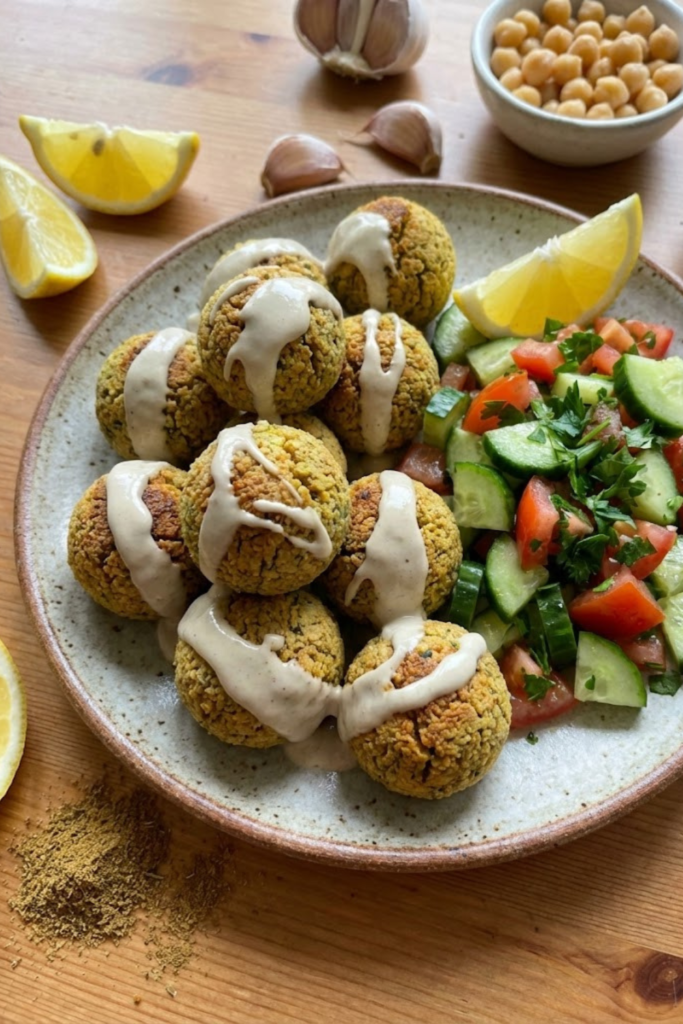
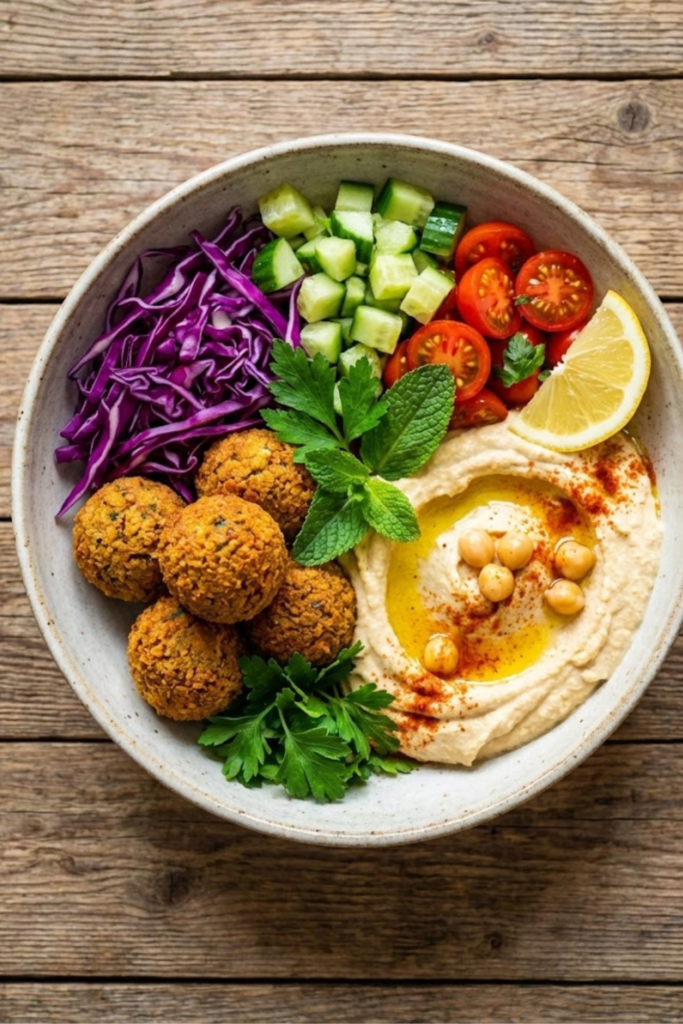
Another reason this is a 2026 favorite is how it fits everyone’s needs at the table. Whether you are vegan or just trying to eat less dairy, this plate works for you. I have some friends who can’t eat gluten, and as long as they skip the pita bread, they are good to go. It is hard to find a meal that everyone can actually eat without me having to cook three different dishes. This plate is just easy, healthy, and honestly, it looks really pretty when you put it all together with the purple cabbage and green herbs. It makes a simple Tuesday night feel a little bit more special.
Choosing the Right Chickpeas and Fresh Herbs
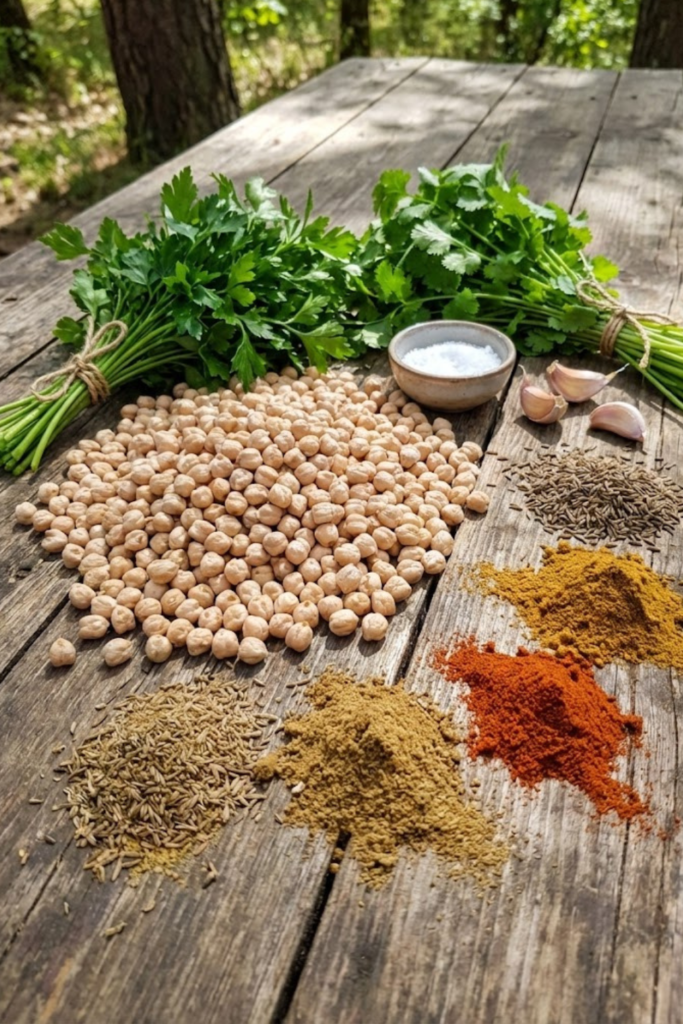
I’ve found that the base of any good meal is the stuff you start with. For this baked falafel plate, it all starts with the chickpeas. Walking through the aisles of the grocery store, you might see the cans and think they look easier. I thought that too for a long time! But if you want that perfect texture, you’ve got to go for the dry bags. I usually grab the biggest bag I can find because they last forever in the pantry. You just have to remember to soak them the night before. I set a reminder on my phone so I don’t forget after a long day of teaching. It makes the falafel light and fluffy instead of a heavy bean mash.
The Dried Bean vs. Canned Bean Debate
I remember one time I tried to make these with canned chickpeas because I was in a huge rush after grading papers all day. It was a total disaster! They turned out all mushy and wouldn’t hold their shape at all. If you want a good plate, you really have to use the dried beans that you soak in water. I usually put them in a big bowl of water before I go to bed, and by the time I get home from school the next day, they are ready to go. It makes the texture so much better because they have a bit of a bite to them. Trust me, skipping the can is the secret to making these taste like they came from a professional kitchen.
Why Fresh Herbs Matter
Now, let’s talk about the green stuff. I used to be stingy with my herbs, but now I know better. You need a lot of fresh parsley and cilantro to get that beautiful color. When you cut into one of these, it should look like a little garden inside. I usually buy two big bundles at the market on Saturday. Make sure you dry them off after you wash them. If they are too wet, your falafel might fall apart in the oven, and nobody wants a crumbly mess. I just pat them down with a paper towel. It’s a small step, but it helps the balls stay together when they are baking on the tray.
Spicing It Up with Garlic and Cumin
Finally, the spices are what bring it all together. Cumin is the star of the show here. It has that warm, earthy smell that reminds me of summer. I also add coriander and a good amount of salt and pepper. Don’t be afraid to taste a tiny bit of the mix before you bake it to see if it needs more salt. I also squeeze in some fresh lemon juice. The acid from the lemon really wakes up all the other flavors. I’ve noticed that if I skip the lemon, the whole plate feels a bit flat. It’s like when a student forgets to put punctuation in a sentence—it just doesn’t feel finished without it.
The Secret to Crunchy Texture Without Excessive Oil
If you’ve ever tried to bake something that is usually fried, you know the struggle of it turning out soft or mushy. I remember trying to bake fries for my students during a classroom party once, and they were just sad and limp. I didn’t want that to happen with my baked falafel plate. Getting that perfect crunch without using a gallon of oil is actually pretty easy once you know a few tricks. I tell my friends that it’s all about how you prep the pan and how cold the dough is before it goes into the heat. You don’t need a deep fryer to get that satisfying “snap” when you bite into one of these golden brown circles.
Why You Have to Chill the Dough
One thing I tell everyone is that you cannot skip the fridge step. After I mix everything in my food processor, the mixture is usually a bit warm and sticky. If you try to bake it right then, the balls will just flatten out like little pancakes on your tray. I always put my bowl of falafel mix in the fridge for at least thirty minutes. Sometimes I even leave it there while I go for a quick walk or finish grading a stack of papers. This helps the starch in the chickpeas grab onto the moisture. When the dough is cold, it stays in a nice round shape, which helps the outside get crispy while the inside stays soft.
The Magic of a Light Oil Spray
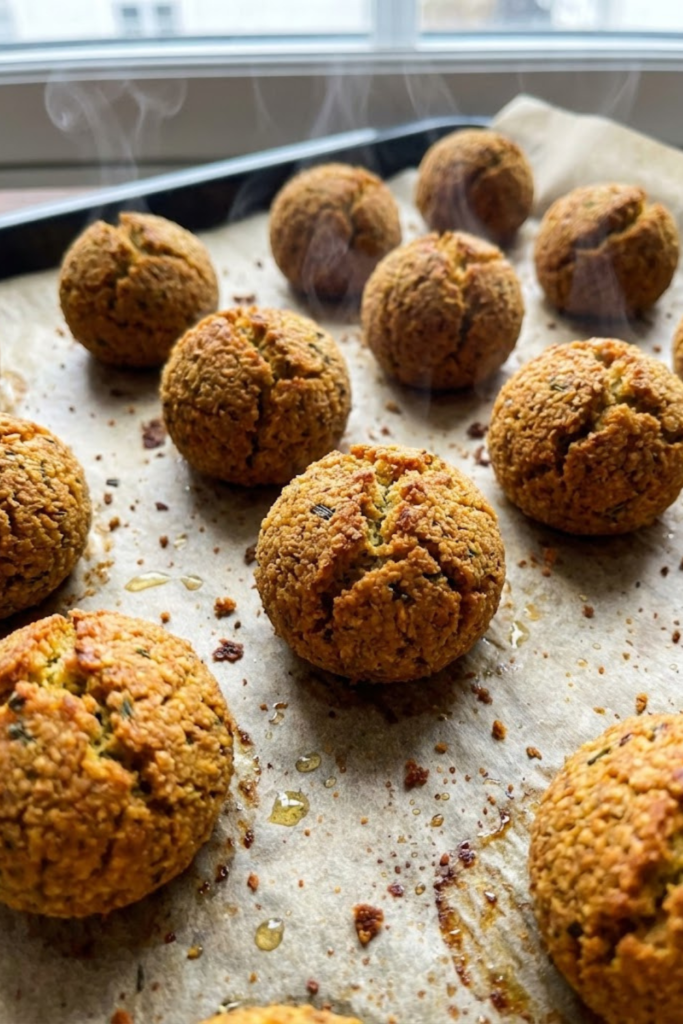
I used to think that “baked” meant I couldn’t use any oil at all, but that’s a mistake. You still need a little bit of fat to get that golden color we all love. Instead of pouring oil into a pan, I just use a simple olive oil spray. I lay my falafel out on the parchment paper and give them a quick mist. Then, halfway through the cooking time, I flip them over and spray the other side. This gives you that fried texture without all the heavy grease that makes your stomach feel weird later. It’s a much lighter way to eat, and it honestly tastes better because you can actually taste the herbs instead of just tasting oil.
High Heat and the Right Baking Sheet
I’ve found that the temperature of your oven matters a lot. I usually set mine to about 400 degrees. You want it hot enough to sizzle the outside quickly. I also make sure to use a flat baking sheet rather than a glass pan with high sides. Those high sides trap steam, and steam is the enemy of crunch! You want the hot air to move all around the falafel. I use parchment paper too, so they don’t stick to the bottom. If you follow these steps, your baked falafel plate will have that restaurant-quality crunch every single time. It’s a simple process, but these small details are what make the meal a success.
Building the Perfect Bowl: Sides and Sauces
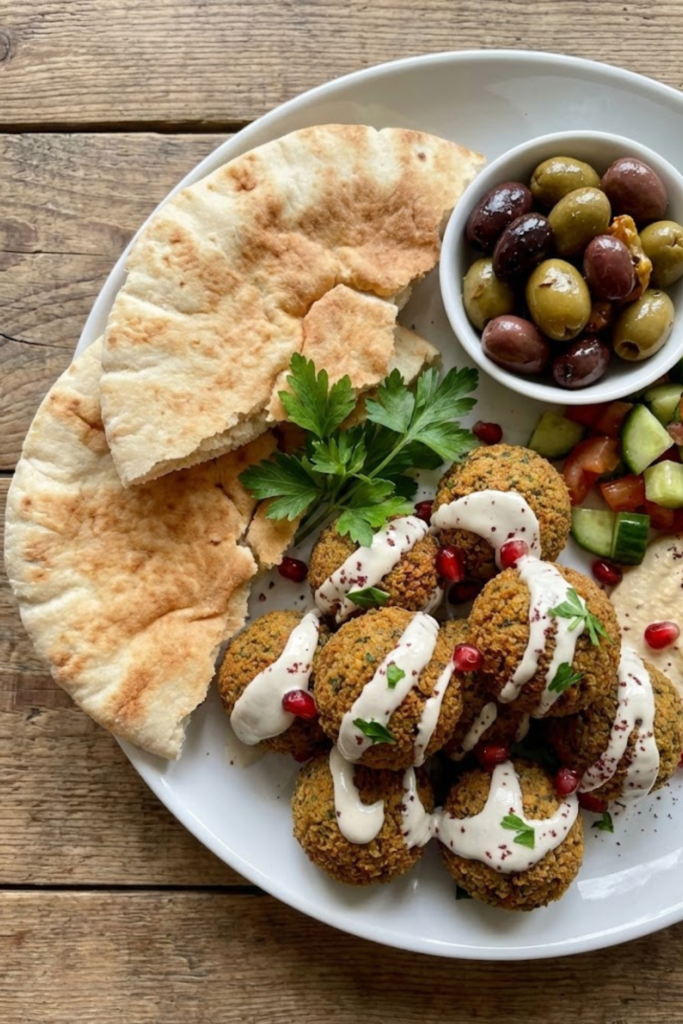
Building a bowl is my favorite part of the whole process. It’s kind of like grading a good essay—you need all the different parts to work together to get an A+. When I make a baked falafel plate, I don’t just throw the falafel on a plate and call it a day. I want it to look like something you’d pay twenty dollars for at a fancy cafe downtown. My friends always say that the sides are just as important as the main event. If you just have the falafel, it’s a bit dry. But when you add the right sauces and fresh veggies, the whole thing just pops. I usually spend a few extra minutes cutting up cucumbers and making a quick dressing because it makes the meal feel complete. I like to see a rainbow of colors in my bowl because it makes me feel like I’m actually eating something good for me. Plus, it looks great on the dinner table.
The Magic of Tahini Sauce
The sauce is what holds everything together. I make a very simple tahini dressing that I could probably eat with a spoon. You just mix some tahini paste with fresh lemon juice, a little garlic, and enough water to make it runny. You have to stir it a lot because it gets thick at first, which can be frustrating, but keep going! It turns into this beautiful, creamy white sauce that looks amazing drizzled over the golden falafel. I sometimes add a little bit of honey if I want it a bit sweet, but usually, the lemon is enough. This sauce is a must-have for your bowl. Without it, the whole plate feels like it is missing its soul.
Adding Crunch and Zest
To finish the plate, I add a bunch of chopped vegetables. I usually do a mix of cucumbers and tomatoes with some lemon juice and salt. This adds a nice cold crunch that goes perfectly with the warm falafel. I also love to add some pickled red onions. I make these myself by putting sliced onions in vinegar and sugar for an hour. They turn bright pink and add a sour kick that cuts through the creamy tahini. If I am really hungry, I put everything over a bed of quinoa or some brown rice. This turns the snack into a full dinner that keeps me full for the rest of the night. It is the best way to eat healthy without getting bored.
Storage and Meal Prep Tips for Busy Weeknights
Being a teacher for so many years has taught me that if I don’t have a plan for dinner, things go south pretty fast. By the time I get home from school, my brain is usually fried from answering a million questions about math and history. That is why I am such a big fan of using this baked falafel plate for my weekly meal prep. I usually spend a little bit of time on Sunday afternoon getting everything ready so that my Monday through Wednesday is much smoother. It is a great feeling to open the fridge and see a healthy meal waiting for me instead of having to figure out what to cook while I’m starving.
Freezing Your Extra Falafel for Later
One of my favorite tricks is making a double batch of the falafel mix. I don’t bake them all at once, though. I like to shape the extra mixture into balls and put them on a cookie sheet in the freezer. Once they are frozen solid, I toss them into a freezer bag. This way, they don’t stick together in one big clump. When I need a quick dinner on a Thursday night, I just take a few out and put them straight into the oven. You might have to bake them for an extra five or ten minutes since they are cold, but they still come out tasting fresh. It is way better than buying those pre-made ones from the store that have no flavor.
How to Reheat Without Getting Soggy
I have to be honest with you—please stay away from the microwave when you are reheating your leftovers! I learned the hard way that microwaves turn these into soft, rubbery lumps that aren’t fun to eat. If you want your baked falafel plate to taste just as good the next day, use a toaster oven or your regular oven. I usually set mine to about 350 degrees and let them warm up for five or six minutes. This helps the outside get that nice crunch back while the inside stays soft. It takes a little longer than a microwave, but the taste is worth the wait.
Keeping Your Components Separate
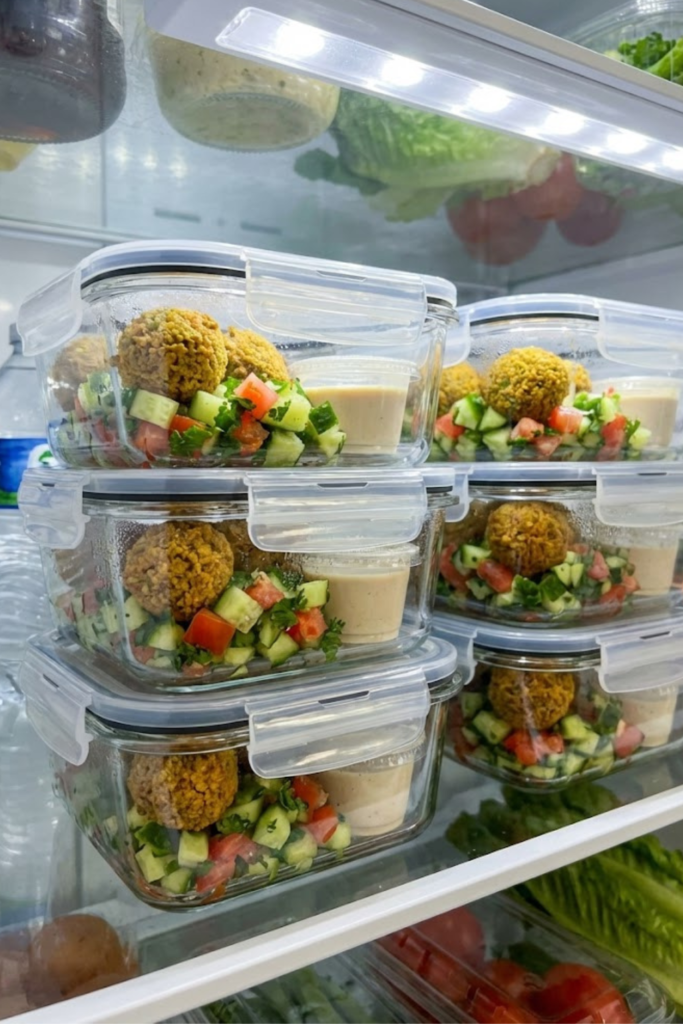
When I pack my lunch for school, I am very careful about how I store the different parts of the plate. I use a container with different sections or just a few small jars. I put the falafel in one spot, the fresh salad in another, and my tahini sauce in a tiny container. If you put the sauce on top of the falafel in the morning, everything will be a soggy mess by noon. I also keep my pita bread in a separate bag so it doesn’t get damp from the veggies. Keeping everything separate makes sure that when I finally sit down for my break, my meal actually tastes like it was just made. It makes a big difference in my mood for the rest of the day!
Bringing the Mediterranean to Your Kitchen
I really hope you feel excited to try making your own baked falafel plate now! I’ve been cooking these for my family and friends for a long time, and every time I serve them, people are surprised that they aren’t fried. It makes me feel good as a teacher to see people learning something new that actually helps their daily lives. Cooking is a lot like a classroom lesson; once you understand the basic rules—like using dried beans instead of canned ones—the rest of the process is much easier and more fun. You don’t have to be a professional chef to get this right. You just need a little bit of patience and some fresh ingredients from the local market.
When you sit down to eat this plate, take a second to look at all those bright colors. We live in such a busy world, and sometimes we forget to appreciate a good, home-cooked meal. Whether you are prepping this for a school lunch or a quiet dinner at home, it’s a great way to take care of yourself. I always feel a bit more energized the next morning when I’ve had a dinner full of fresh vegetables and good protein. It’s definitely better than grabbing a greasy burger on the way home from work! My body always thanks me for choosing the lighter option, and I think yours will too.
Making Healthy Eating a Habit
It took me a while to get into the habit of soaking beans and chopping herbs, but now it’s just part of my Sunday routine. If you can find just one hour on the weekend to get your baked falafel plate ready, your whole week will feel a lot lighter. You won’t be stressing out about what to eat when you’re tired and hungry. My students always ask me how I stay so calm during the day, and I honestly think a big part of it is just eating food that makes my body feel good. When you aren’t dealing with a “sugar crash” or a heavy stomach, it’s much easier to be patient and helpful to others around you.
Share the Love of Good Food!
If you tried this recipe and loved it, I would really appreciate it if you could share it on Pinterest. It helps other people find healthy meal ideas that don’t cost a lot of money. Plus, I love seeing how other people put their bowls together! Maybe you added some different veggies or a spicy sauce that I haven’t tried yet. Sharing our favorite recipes is how we all get better at taking care of our health. Thanks for reading along with me today, and I hope your next meal is absolutely delicious! I can’t wait to hear how your falafel turned out.