Did you know that nearly 75% of home bakers say getting the right moisture in a citrus cake is their biggest challenge? I’ve been there too! For years, my cakes came out either too dry or smelling like a cleaning product because I used the wrong oil.
But today is different. We are making a chocolate orange cake that actually tastes like real fruit and rich cocoa. It’s a bit of a wild ride, but honestly, it’s the best thing I’ve eaten all year! Let’s get our aprons on and fix those common baking blunders together.
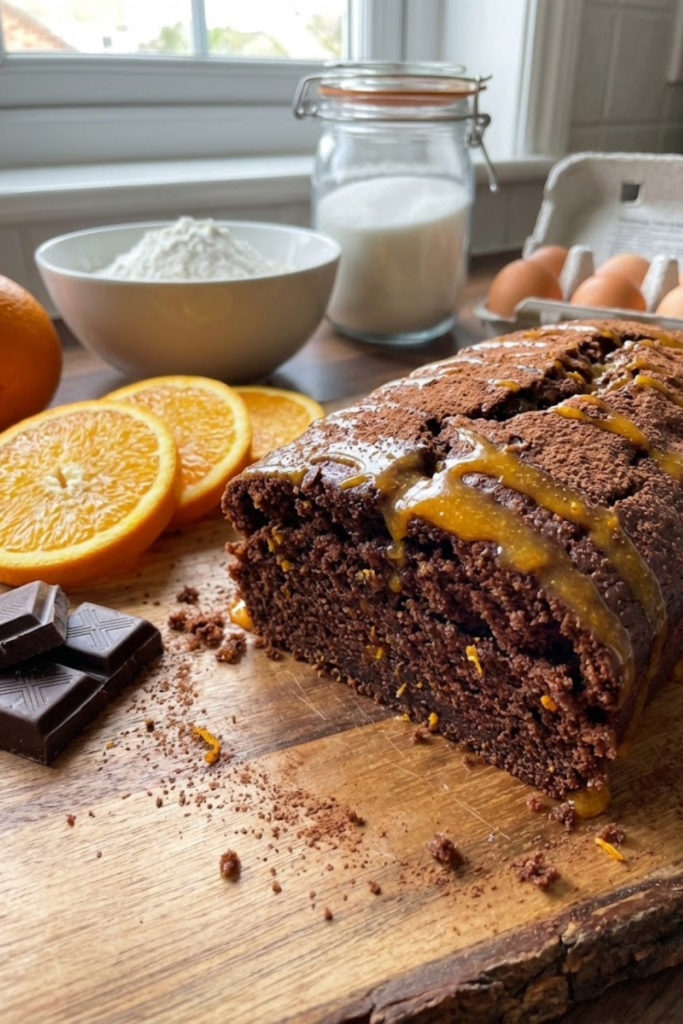
Why You Must Use Fresh Orange Zest
I’ve been baking for a long time, and if there is one thing I have learned, it is that you just can’t fake fresh flavors. Years ago, I thought I could take a shortcut. I bought a little bottle of orange extract from the store because I didn’t feel like grating fruit. I thought it would be the same, but boy, was I wrong. That cake ended up tasting like a cheap candle I’d find at a discount shop. It was a total disaster and I felt terrible serving it. Since that day, I always tell people that if you want a chocolate orange cake that people actually want to eat, you have to use the real thing. The zest is where all the magic lives.
Zest vs. Extract: The Real Flavor Talk
You might wonder why the zest is so much better than the liquid stuff you find in a bottle. Well, it is pretty simple when you think about it. The skin of an orange is packed with these tiny pockets of essential oils. When you grate that skin, those oils spray out and give you a deep, bright flavor that a factory just can’t copy. Extracts are mostly alcohol and chemicals, and they often leave a weird aftertaste in your mouth. I find that the oils in fresh zest play much nicer with the cocoa powder. It creates a balanced taste that isn’t too sharp but still lets you know the orange is there. Plus, your whole kitchen will smell like a citrus grove, which is a nice bonus.
Avoiding the Bitter White Pith
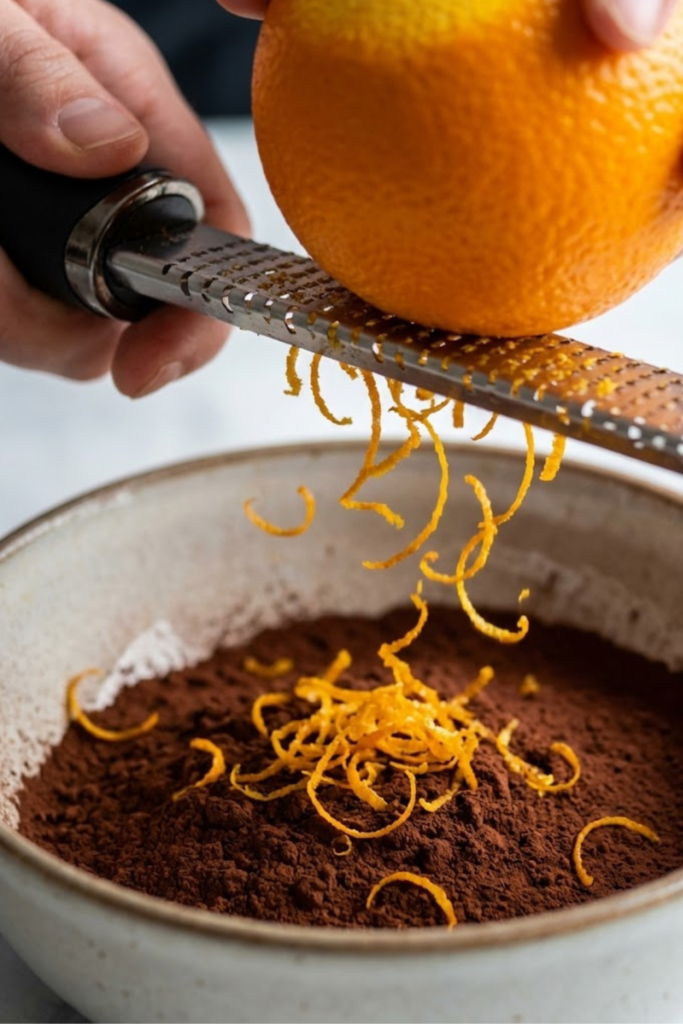
This is a mistake I see my students make a lot. When you are grating your orange, you have to be careful. You only want that very top layer of bright orange skin. Right underneath that is a white, spongy layer we call the pith. Let me tell you, that stuff is super bitter. If you get too much of the pith in your batter, it can ruin the sweetness of your chocolate. I always use a small hand grater and move the orange around constantly. Don’t press too hard! You just want a light dusting of orange gold. If you start to see white, stop right there and rotate the fruit. I usually use about two big oranges for one cake to make sure the flavor is strong enough.
The Sugar Rubbing Secret
Here is a little trick that changed my baking life. Don’t just toss the zest into your dry ingredients and hope for the best. Instead, put your granulated sugar in a big bowl and add the zest to it. Then, use your clean fingers to rub the zest into the sugar for a minute or two. The sugar will start to look a bit damp and turn a pretty shade of orange. Doing this helps the oils release and move through the sugar. When you mix this into your cake, the flavor spreads out way better. Every single bite will have that perfect mix of chocolate and citrus. It’s a small step, but it makes a massive difference in how the final cake tastes.
The Secret to the Perfect Chocolate Base
I used to think that all cocoa powder was pretty much the same. I would just grab whatever brand was on sale at the grocery store. But then I started noticing that my cakes looked a bit gray and tasted kind of flat. I was following the recipe, but the deep chocolate taste was missing. It took me a few years of teaching baking to realize that the base of your cake is like the foundation of a house. If you don’t get the chocolate part right, no amount of orange zest is going to save the day. You really have to understand how cocoa works with the other ingredients to get that rich, dark look and taste we all want.
Picking the Right Cocoa Powder
There are two main kinds of cocoa powder you usually see on the shelf: natural and Dutch-processed. Natural cocoa is lighter in color and has more acid. It works with baking soda to help the cake rise in the oven. Dutch-processed cocoa is treated with something called alkali to take away that acid. This makes the powder much darker and gives it a smoother, more mellow flavor. For this chocolate orange cake, I really prefer the Dutch-processed kind. It gives the cake a deep, dark color that looks beautiful next to the bright orange pieces. Just check which one your recipe needs because they react differently with your baking powder and soda.
The Magic of Blooming Cocoa
This is one of my favorite tips to share with new bakers. Instead of just mixing your cocoa powder in with your dry flour, try “blooming” it first. All you do is take your hot liquid—I usually use hot coffee or even hot orange juice—and pour it right over the cocoa powder in a small bowl. Give it a quick whisk until it is smooth. What happens is the heat opens up the cocoa particles and lets out all those hidden flavors. It is a lot like how you brew tea with hot water instead of cold. I remember the first time I tried this trick; the smell in my kitchen was so strong and wonderful! It also helps get rid of those tiny lumps that sometimes hide in the batter.
Why a Pinch of Salt is Key
I know it sounds a little bit weird to put salt in a sweet dessert, but trust me. Salt is like a volume knob for flavor. Without it, the chocolate and the orange just kind of sit there and don’t do much. A little bit of kosher salt wakes up the cocoa and makes it taste much more intense. I once forgot the salt in a batch of cupcakes I made for a school bake sale. They weren’t bad, but they were missing that special “pop.” I usually add about half a teaspoon to the mix. It doesn’t make the cake taste salty at all; it just makes the chocolate and citrus stand out way better.
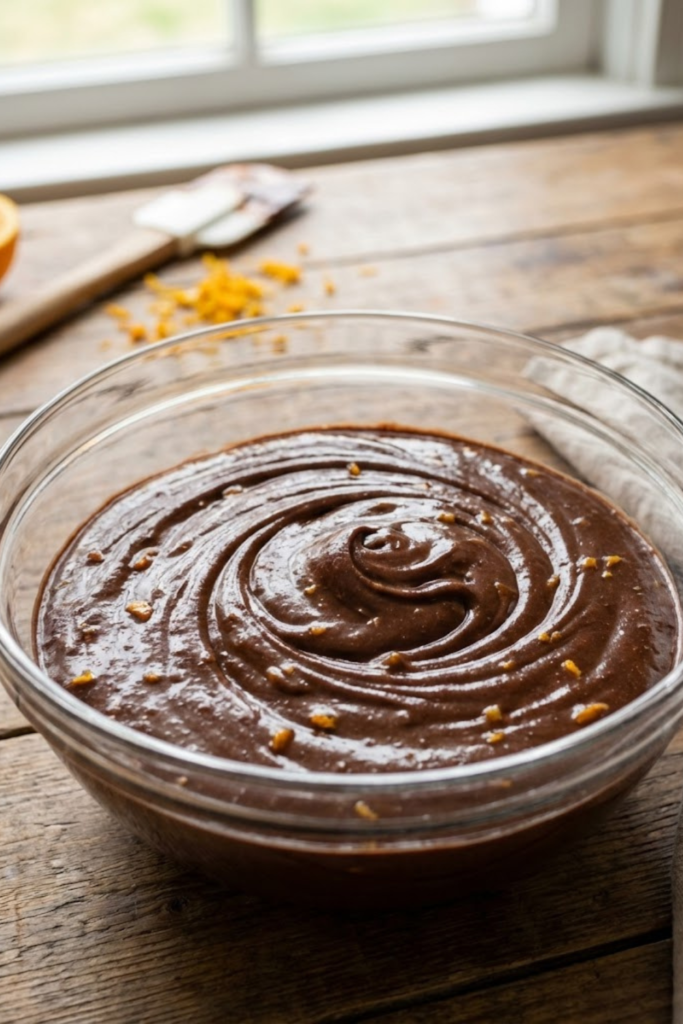
How to Make a Silky Orange Ganache
I used to be so scared of making ganache. It sounds like one of those things only people in fancy restaurants do. I remember the first time I tried it for a Sunday dinner. I just threw some chocolate chips and milk in a pan and turned the heat up high. It turned into an oily, grainy mess that looked like mud. I almost cried! But then I learned that ganache is actually really simple if you just follow a few basic rules. It’s basically just chocolate and heavy cream, but when you do it right, it looks like liquid gold pouring over your chocolate orange cake. For this recipe, I like to heat my cream with a bit of extra orange peel to really tie the whole dessert together.
The Golden Ratio for Pouring
If you want that perfect drip down the side of your cake, you have to get your amounts right. I usually use a one-to-one ratio by weight. That means if I have eight ounces of chocolate, I use eight ounces of heavy cream. For a really thick frosting, you might use more chocolate, but for a nice glaze, equal parts is the way to go. I always chop my bittersweet chocolate into really small bits before I start. If the pieces are too big, they won’t melt all the way and you’ll have lumps in your sauce. I usually prefer using a good quality chocolate bar rather than chips because it melts much smoother and has a better shine.
Why You Need to Wait
The biggest mistake I see people make—and I did this for years—is stirring the mixture too fast. You need to heat your cream until it’s just about to boil, then pour it over the chocolate. Then, and this is the hard part, you have to walk away. Let it sit for at least five minutes. If you start whisking right away, the temperature drops too fast and the fat in the cream won’t mix with the chocolate correctly. After five minutes, start stirring very slowly in the middle of the bowl. You’ll see it turn from a milky mess into a dark, shiny dream. It’s like a little bit of magic every time I do it.
Fixing a Grainy Mess
Sometimes things go wrong, even if you are careful. If your ganache looks oily or grainy, don’t throw it out! This usually happens if the cream was too hot or if you stirred it too hard. To fix it, you can add a tiny splash of room temperature milk or a little more cold cream and whisk it very gently. Usually, that bit of liquid helps the fats join back together and smooths everything out. I’ve saved many cakes this way when I was in a rush. Just remember to be gentle with it. It’s a delicate sauce, but it tastes so good that it’s worth the extra few minutes of patience.
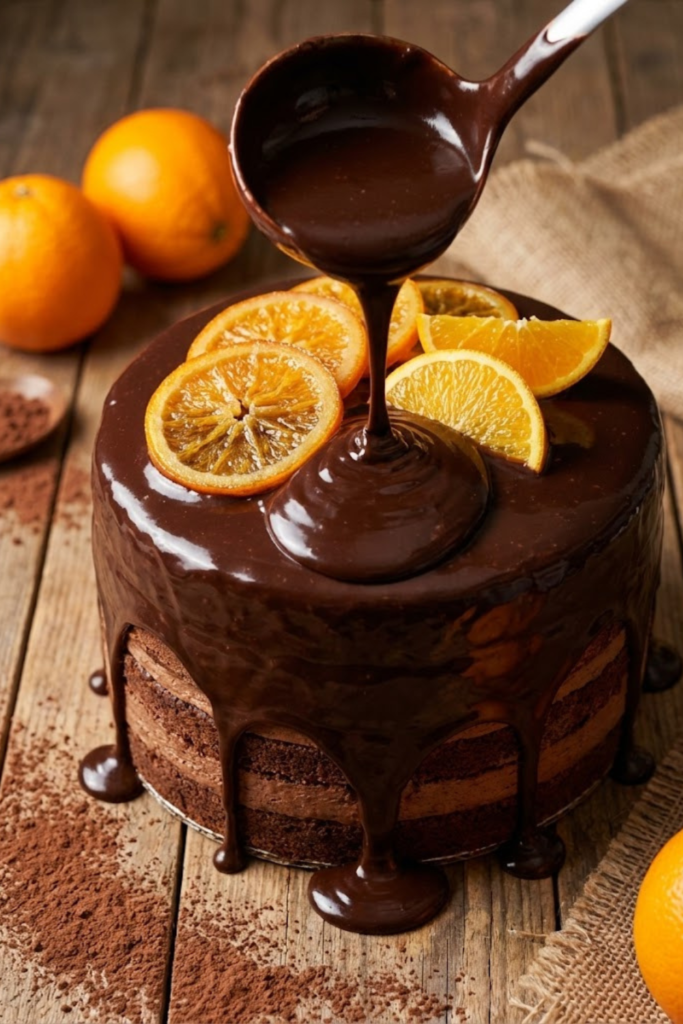
Putting It All Together for Your Best Cake Yet
I have spent many years in the kitchen, and I can tell you that baking a cake like this is about much more than just the food on the plate. It is about the smiles on people’s faces when they take that first bite of rich chocolate and bright citrus. I remember a time when I was so stressed about a school bake sale that I almost gave up. I thought I had messed up the batter because I was rushing, but I decided to keep going anyway. When the cake finally came out of the oven, it was actually the best one I had ever made. That taught me that even if you feel like you are struggling, the results can be amazing if you just stick with it. Baking is a skill that grows with you over time, and every cake you make is a new chance to learn something helpful.
The Joy of Sharing Your Bakes
There is something very special about giving a homemade cake to a friend or a neighbor. In my neighborhood, we have a little tradition where we swap treats during the holidays or for birthdays. This chocolate orange cake is always the one people ask for the most. I think it is because the flavors feel very classic but also a bit more special than a plain vanilla or chocolate cake. When you share what you have made, it connects you to the people around you in a way that buying something from a store just cannot do. It does not have to look perfect, either. Even if your frosting is a little messy or the cake is a bit lopsided, people will see the time and love you put into it. That is the real goal of being a good baker.
Why This Recipe Works for Busy Families
As a teacher and a parent, I know how hard it can be to find time for big cooking projects. But this cake is great because you can do it in stages if you need to. You can zest the oranges and mix your dry ingredients one day, then do the actual baking the next afternoon. I often make the chocolate ganache while my kids are sitting at the table doing their homework. It fits into a busy life without making you feel like you are buried in work. I like recipes that are simple but taste like they took you all day to finish. This one hits that sweet spot perfectly. You do not need a lot of fancy tools, just a couple of bowls, a good whisk, and some fresh ingredients.
Final Tips for a Stress-Free Baking Day
Before you turn on your oven, make sure you read through the whole recipe one more time. I used to skip this part and then realize halfway through that I was missing an egg or out of sugar! Also, try to keep your kitchen tidy as you go along. Washing a few dishes while the cake is in the oven makes the whole process feel much more relaxing. If the cake sticks to the pan a little bit, do not panic. You can always use that thick ganache to hide any little tears or bumps. Most importantly, remember to have fun with it! Baking should be a nice break from the stress of the day. If you liked this recipe and found it helpful, please pin it to your favorite dessert board on Pinterest so you can find it later and share it with your friends!