They say “when life gives you lemons, make lemonade,” but honestly? Lemonade is boring. I’d much rather make a Lemon Meringue Pie with Flaky Butter Crust! Did you know that according to a recent 2025 dessert survey, lemon-based treats have actually overtaken chocolate in popularity for spring gatherings? I’ve spent years in my kitchen trying to get that crust just right—no more soggy bottoms for us! You want a crust that shatters when your fork hits it and a meringue that stands tall like a fluffy cloud. This isn’t just a recipe; it’s a lesson in chemistry and love, and I’m so excited to share it with you.
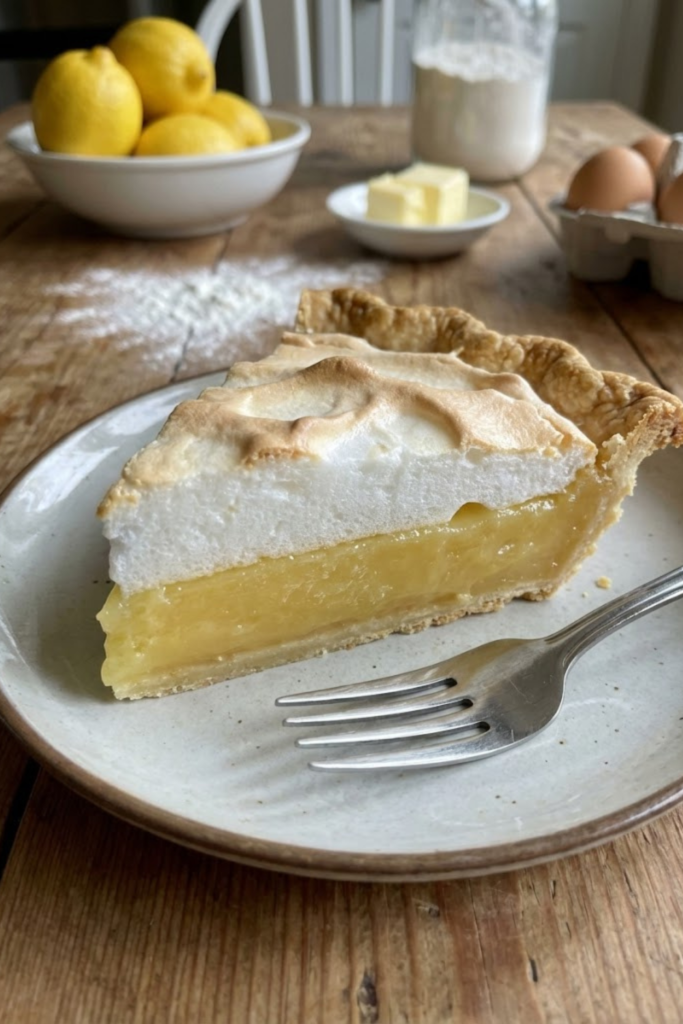
Mastering the Flaky Butter Crust
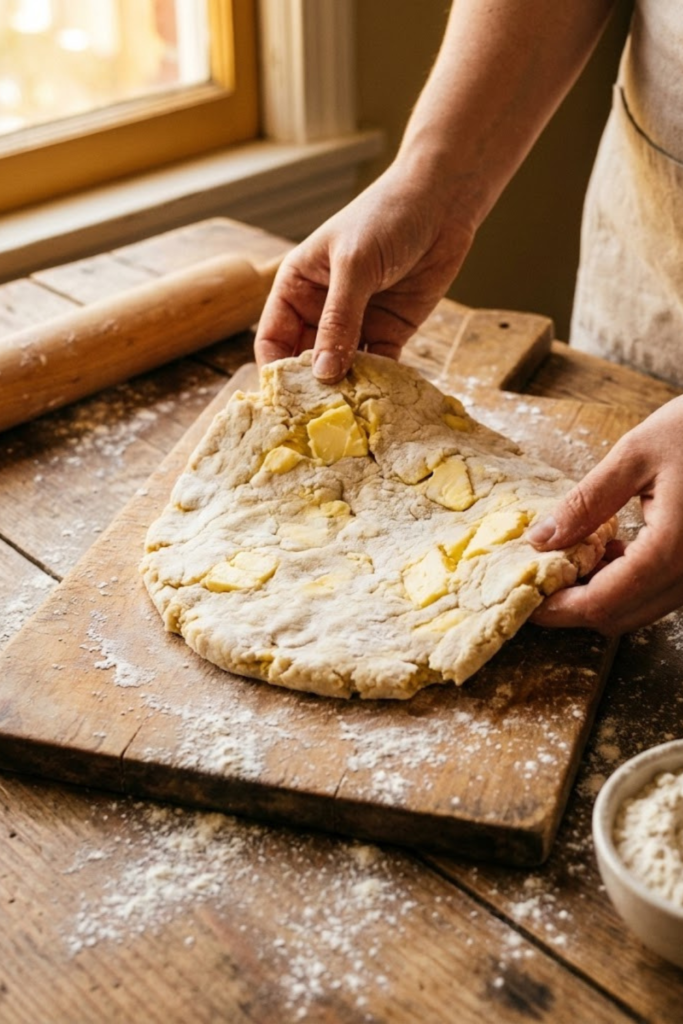
I’ve taught dozens of baking classes over the years, and the crust is always what scares my students the most. It shouldn’t! It’s really just flour, fat, and water. But the temperature of that fat is everything. I remember my first pie crust was a total rock. I didn’t get that you want the butter to stay in chunks. If the butter melts before it hits the oven, you lose those layers. For a great Lemon Meringue Pie with Flaky Butter Crust, you need that crunch.
Keep Your Ingredients Frigid
I like to put my butter in the freezer for about ten minutes before I start. Even my flour goes in the fridge if it’s a hot day. You want the butter to stay solid until it’s in the oven. When it hits the hot heat, the water in the butter turns to steam. That steam pushes the flour apart and creates air pockets. That’s how you get flakes. If your butter is soft, it just mixes into the flour like a cookie dough. It’ll taste okay, but it won’t be that flaky crust we want. I always tell my kids, if the bowl feels warm, put it back in the fridge! My kitchen gets really hot in the summer, so I have to be extra careful.
The ‘Pea-Size’ Rule
When you are mixing the butter into the flour, don’t try to make it smooth. You want bits of butter that look like small peas or even little pebbles. I use a pastry blender, but two knives work fine too. Some people use their hands, but your fingers are warm. If you use your hands, be fast! Stop as soon as it looks shaggy. Add your ice water one tablespoon at a time. It should just barely hold together when you squeeze it. If it looks a little dry, that is usually perfect. I used to add too much water because I was scared it would fall apart, but that just makes the crust tough. A shaggy dough is a happy dough.
Why We Blind Bake
You have to bake the crust alone first for this recipe. Since the lemon filling is mostly cooked on the stove, the crust needs to be fully ready before the filling goes in. Line your dough with parchment paper and fill it with pie weights. I just use a big bag of dry beans I keep in a jar. This stops the bottom from puffing up. I bake it for 15 minutes with the weights, then take them out to finish the middle. This makes sure your base is crisp and won’t get mushy once you add the lemon part. It’s a bit of a pain to do, but it makes a huge difference in the final pie.
Crafting the Zesty Lemon Filling
The filling is the soul of your Lemon Meringue Pie with Flaky Butter Crust. If it’s too runny, the pie collapses. If it’s too thick, it feels like rubber. I spent years trying to find the middle ground. My kids used to call my early attempts “lemon soup” because they would just spill out across the plate. It was embarrassing! But once you learn how the starch and the eggs work together, you’ll never have that problem again. This part of the process is really about patience and watching your pot.
Fresh Lemons Make the Difference
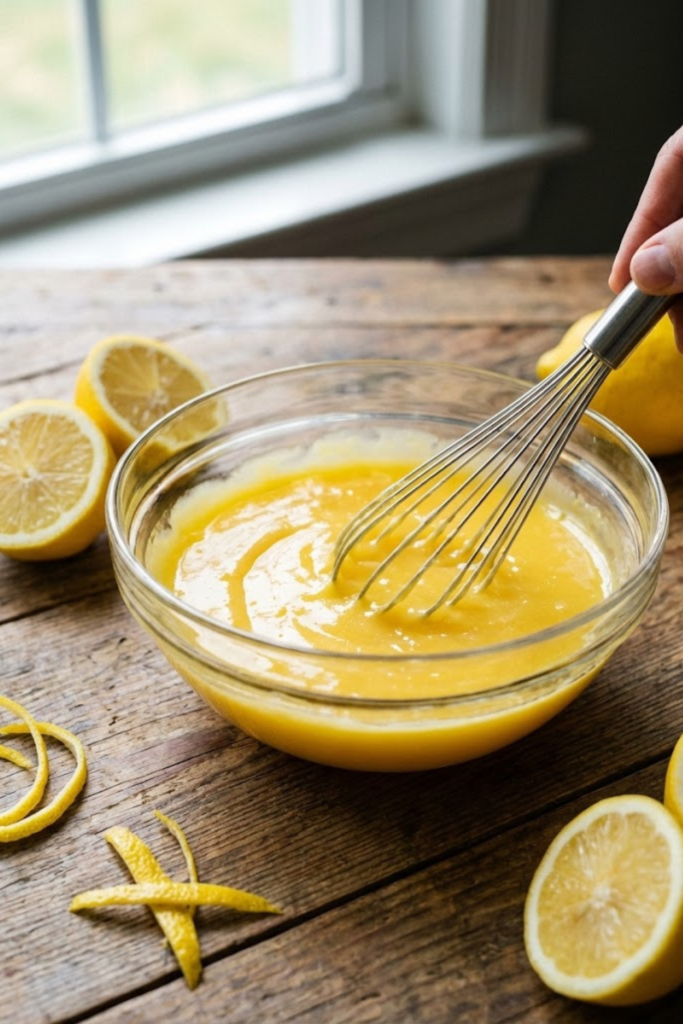
I used to think I could save time by using that little plastic lemon bottle from the store. Big mistake. That stuff has a weird metallic aftertaste that ruins the whole vibe. For a real pie, you need the real thing. I use about five or six big lemons. You want both the juice and the zest. The zest is where all those bright oils live. I zest the lemons first before cutting them because it’s way easier that way. If you try to zest a squeezed lemon, you’ll probably scrape your knuckles. I’ve done that more times than I’d like to admit! Fresh juice gives you that sharp, tangy kick that cuts through the sweet meringue.
The Art of Tempering
This part used to scare me. You have to mix hot lemon liquid into raw egg yolks. If you just dump them in, you get scrambled eggs in lemon juice. Not tasty. The trick is to go slow. I take a ladle and drizzle a tiny bit of the hot sugar and starch mix into the eggs while whisking like crazy. You are basically introducing the heat to the eggs so they don’t freak out and cook instantly. Once the egg bowl feels warm, you can pour it all back into the pot. This is what makes the filling creamy and rich instead of lumpy.
Getting the Perfect Set
The cornstarch needs to boil for a minute to really do its job. If you don’t cook it enough, the filling won’t set up. But don’t walk away! It can burn on the bottom of the pan in a heartbeat. I usually stay right there and keep stirring with a whisk. When it looks thick and glossy like hair gel, it’s ready. Adding a little bit of butter at the very end makes it extra smooth and shiny. This filling needs to be hot when you put the meringue on top, so don’t let it cool down too much before the next step.
Secrets to a Sky-High Meringue
Meringue is the part that looks the most impressive but often makes people the most nervous. It’s just egg whites and sugar, right? Well, yes, but those egg whites can be very moody. I’ve had many meringue toppers just turn into flat, sticky puddles because I didn’t follow the rules. It’s like a science project in your kitchen. You want those tall, beautiful peaks that look like mountain tops on your Lemon Meringue Pie with Flaky Butter Crust. If you follow a few simple steps, you can get it right every single time without stressing out too much.
Grease is the Enemy
Even a tiny drop of oil or a bit of egg yolk will kill your meringue. I always wash my glass bowl with soap and water, then wipe it down with a bit of lemon juice or vinegar just to be sure. I tell my students to avoid plastic bowls for this because plastic can hide grease in little scratches. If your bowl isn’t totally clean, those egg whites will never fluff up no matter how long you beat them. It’s frustrating when that happens, so just take the extra minute to clean your gear. Also, make sure your eggs are at room temperature. They fluff up much better than cold eggs from the fridge.
Slow and Steady Sugar
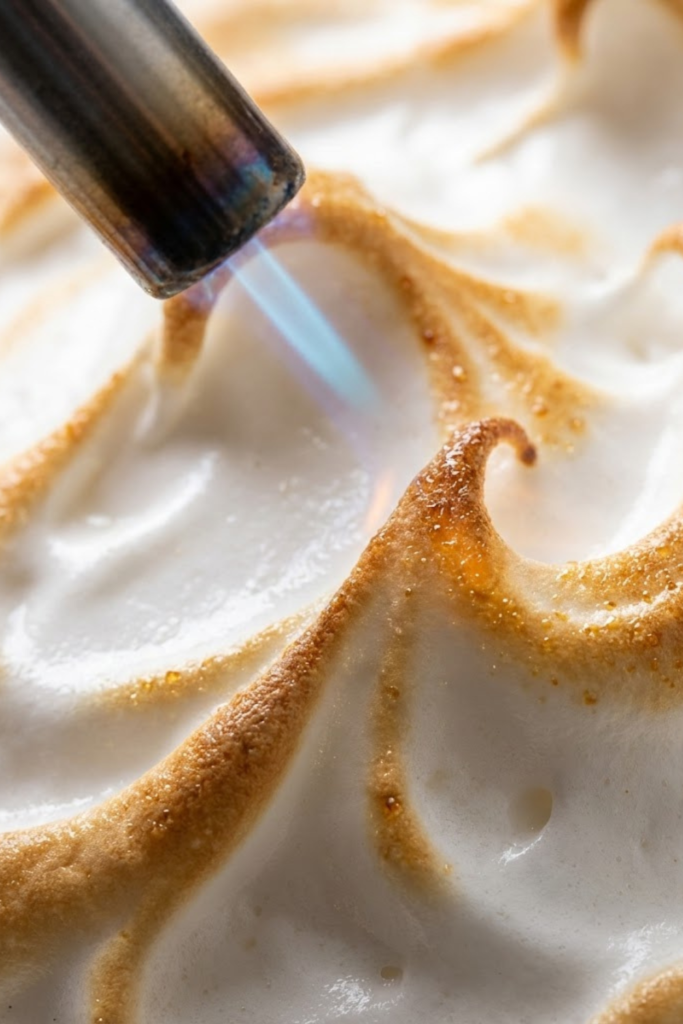
Don’t just dump all the sugar in at once. You want to wait until the egg whites look foamy, like the top of a bubble bath. Then, add the sugar one tablespoon at a time while you are whisking. This gives the sugar time to dissolve so your meringue isn’t gritty. If you rush it, you might end up with “weeping,” which is when those little amber sugar drops form on the pie later. I also use a bit of cream of tartar. It acts like a glue that keeps the bubbles strong so the whole thing doesn’t collapse while it’s in the oven. You’re looking for “stiff peaks”—that’s when you lift the whisk and the foam stands straight up like a pointy hat.
Sealing the Edges
Here is a big tip: you have to spread the meringue while the lemon filling is still hot. This helps cook the bottom of the meringue so it sticks to the custard. Use a spatula to spread it all the way to the edges of the crust. If you leave a gap, the meringue will shrink away and leave a watery mess around the sides. Use the back of a spoon to make little swirls and points. It doesn’t have to be perfect; actually, the messy look is what makes it look like a real home-cooked pie. Just watch it close in the oven so the tips don’t burn! There is nothing better than seeing those golden brown peaks.
Share the Love
Bringing a Lemon Meringue Pie with Flaky Butter Crust to the table is like bringing a bit of sunshine into the room. I’ve made this for church potlucks, birthday parties, and even just for a quiet Sunday at home. Every time I set it down, people stop talking for a second because it just looks so happy! But more than looking good, it’s about that taste of home. Baking isn’t just about the food; it’s about the memories you make while the oven is preheating and the flour is flying around the kitchen. My kids still talk about the time I accidentally used salt instead of sugar—we didn’t eat that one, but we sure did laugh about it for years!
One thing I really want to mention is that you have to be patient before you cut into it. I know it’s hard. It smells amazing, and you just want to grab a fork right away. But if you cut it while it’s hot, the filling will run everywhere and you’ll have a mess on the plate. Give it at least four hours to sit on the counter. I usually make mine in the morning so it’s perfect by dinner time. If you put it in the fridge too early, the crust might get soft, so I like to let it cool down naturally first. This helps the lemon part get firm and the meringue stay put.
If your first pie doesn’t look like the pictures, please don’t give up. My first few pies were honestly pretty ugly. One had a burnt crust, and another had a meringue that looked like a flat pancake. I felt like a failure, but my family ate them anyway and told me they tasted great. That’s the secret—even a “bad” pie is still a pretty good treat! The more you do it, the better you get at feeling the dough and knowing when the egg whites are just right. You’ll learn the “look” of a finished pie over time.
This recipe is a classic for a reason. It has that perfect mix of crunchy, sour, and sweet. It’s the kind of dessert that makes people feel special. If you tried making this Lemon Meringue Pie with Flaky Butter Crust, I would love to hear how it went for you! Did you get those tall peaks? Was the crust as flaky as you hoped? Please share this recipe on Pinterest so your friends can try it too. It helps me out a lot when you share, and I love seeing other people find joy in baking just like I do.