“Bread is the king of the table and all else is merely the court that surrounds it.” I truly believe that! There is nothing—and I mean nothing—quite like the smell of a fresh loaf cooling on your counter. If you’ve ever felt intimidated by yeast, let me tell you, this Homemade Irish Soda Bread with Raisins and Buttermilk is your new best friend because it requires zero rising time! It’s 2026, and while we have gadgets for everything, sometimes the old-school, rustic ways are just better. This recipe is a staple in my kitchen when I need a hearty, slightly sweet bread in under an hour. Let’s get baking!
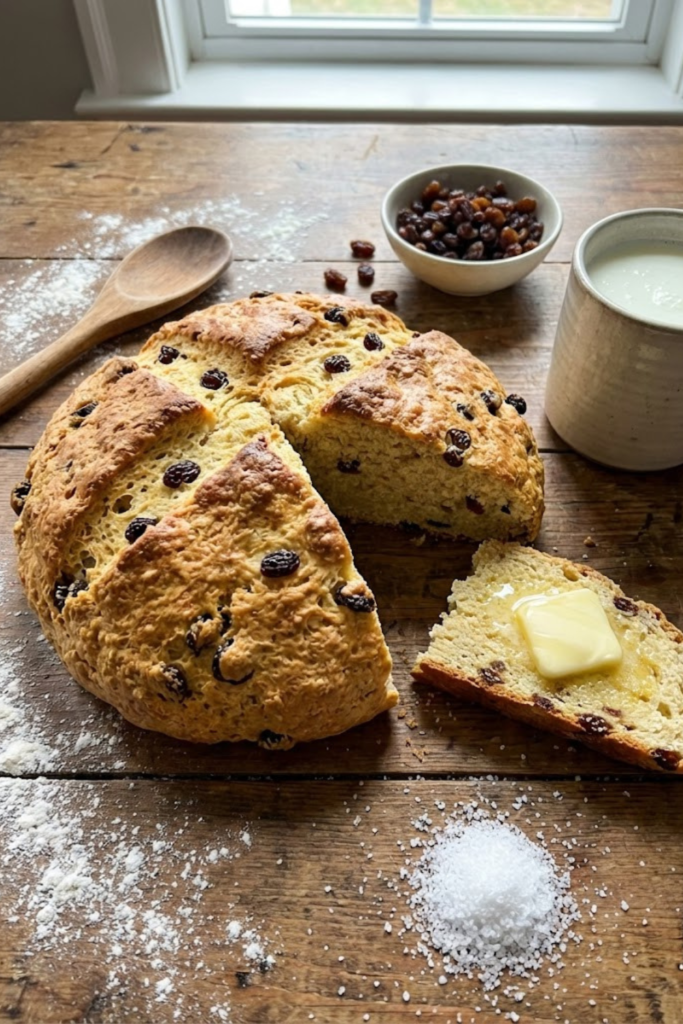
Why Buttermilk is the Secret to the Perfect Rise
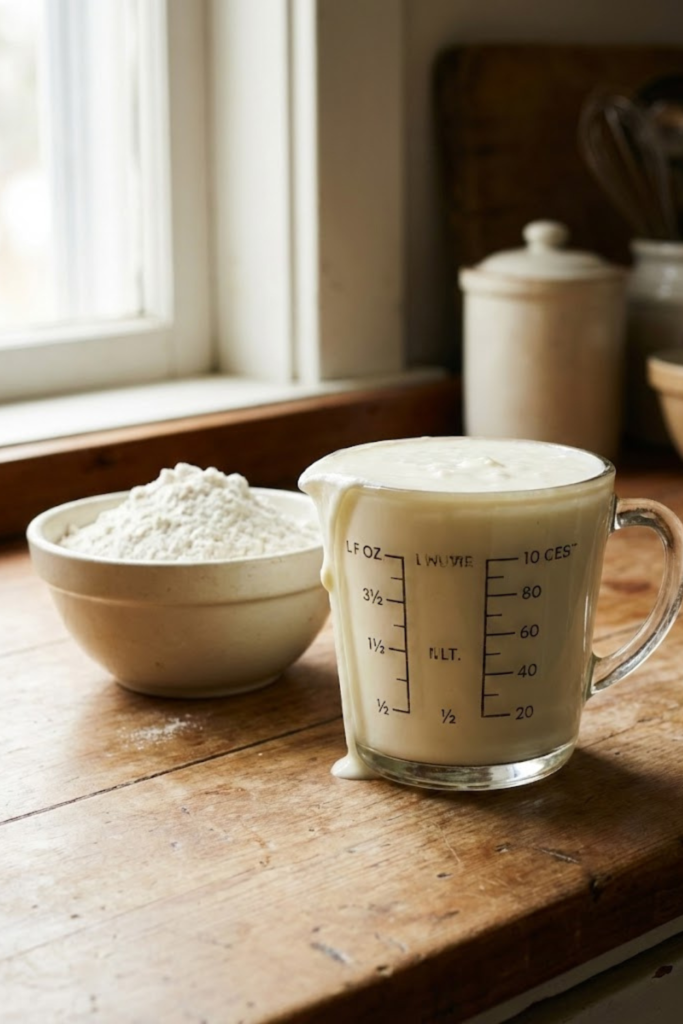
I used to think buttermilk was just some old-fashioned ingredient that my grandma kept in the back of her fridge for no reason. I honestly didn’t get the point of it until I tried making my first loaf of Homemade Irish Soda Bread with Raisins and Buttermilk. I tried using regular milk once because I was too lazy to go to the store, and let me tell you, it was a total disaster. The bread didn’t rise at all and it felt like I was eating a literal brick. That’s when I realized that buttermilk isn’t just there for the tangy taste; it is the engine that makes the whole bread work.
The Science of the Sizzle
Since this recipe doesn’t use any yeast, we have to find another way to get air into the dough. This is where the chemistry comes in. Think back to those science fair volcanoes we used to make in school with baking soda and vinegar. When you mix the acidic buttermilk with the alkaline baking soda, they have a little party. They react and create carbon dioxide bubbles. These bubbles get trapped in the dough as it bakes, which is exactly what gives the bread its height. Without that acid from the buttermilk, the baking soda just sits there doing nothing, and you end up with a flat, sad loaf.
Tender Crumbs Every Time
Another thing I noticed is how the texture changes. The acid in the buttermilk does a great job of breaking down the long strands of gluten in the flour. If those strands are too strong, the bread gets chewy like a baguette. But for this Irish bread, we want something a bit more tender and crumbly. The buttermilk helps make sure every bite is soft. It also adds a nice little tang that balances out the sweetness of the raisins perfectly. I’ve found that using full-fat buttermilk gives the best results because the extra fat makes the crumb even richer.
What if I’m Out of Buttermilk?
We have all been there—you start a recipe and then realize the carton is empty. Don’t panic! You can make a quick version at home. Just take a cup of regular milk and add a tablespoon of lemon juice or white vinegar. Let it sit for about five minutes until it looks a bit curdled. It won’t be quite as thick as the real stuff, but it has the acid you need to make the bread rise. I’ve used this trick plenty of times when I didn’t feel like driving to the grocery store in my pajamas, and it works just fine for a quick morning bake.
Choosing the Best Raisins and Add-Ins for Texture
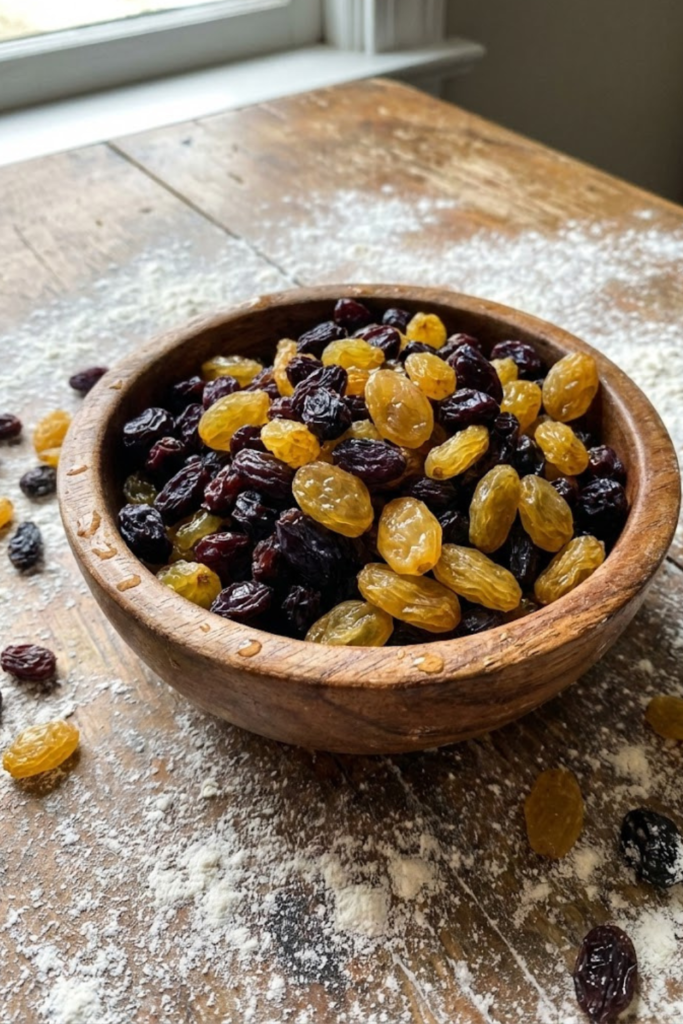
When I first started baking this Homemade Irish Soda Bread with Raisins and Buttermilk, I thought any old box of raisins from the back of the pantry would work. I found out pretty fast that the type of fruit you pick actually changes the whole vibe of the loaf. If you use raisins that are too dry, they end up acting like little sponges. Instead of staying juicy, they suck the moisture right out of your dough, leaving you with a crumb that feels like sawdust. I’ve spent a lot of time testing different bits and pieces to see what makes the best slice, and there are definitely some winners.
Picking Your Fruit
Most people just grab the standard Thompson seedless raisins, and honestly, they are a classic for a reason. They have a deep, concentrated sweetness that everyone recognizes. But if you want something a bit different, I really like using golden raisins. They are a little more tart and stay much “plumper” during the bake. If you want to be really traditional, try currants. They are tiny and give you a more even distribution of fruit so you get a bit in every single bite. Sometimes I even mix all three if I’m feeling fancy, which my kids always seem to enjoy more.
The Secret to Juicy Raisins
Here is a little trick I wish someone told me years ago: soak your raisins before you put them in the flour. I usually put them in a bowl with a bit of warm water or even some orange juice for about ten minutes while I’m getting my other ingredients ready. This “plumping” step means the raisins won’t steal the liquid from your buttermilk. Just make sure you pat them dry with a paper towel before tossing them in. If they are too wet, they will create weird gummy pockets in your bread, and nobody wants that.
Adding Extra Flair
If you want to move beyond just fruit, there are a couple of other things that really level up the flavor. Adding about a tablespoon of caraway seeds is a very traditional move. It gives the bread a slightly earthy, rye-like taste that goes amazing with a big smear of salted butter. I also love grating a bit of fresh orange zest into the flour. It makes the whole house smell like a bakery and brightens up the heavy dough. Just don’t go overboard; a little bit of these strong flavors goes a long way in making your bread taste like it came from a professional shop.
Mastering the Shaggy Dough: To Knead or Not to Knead?
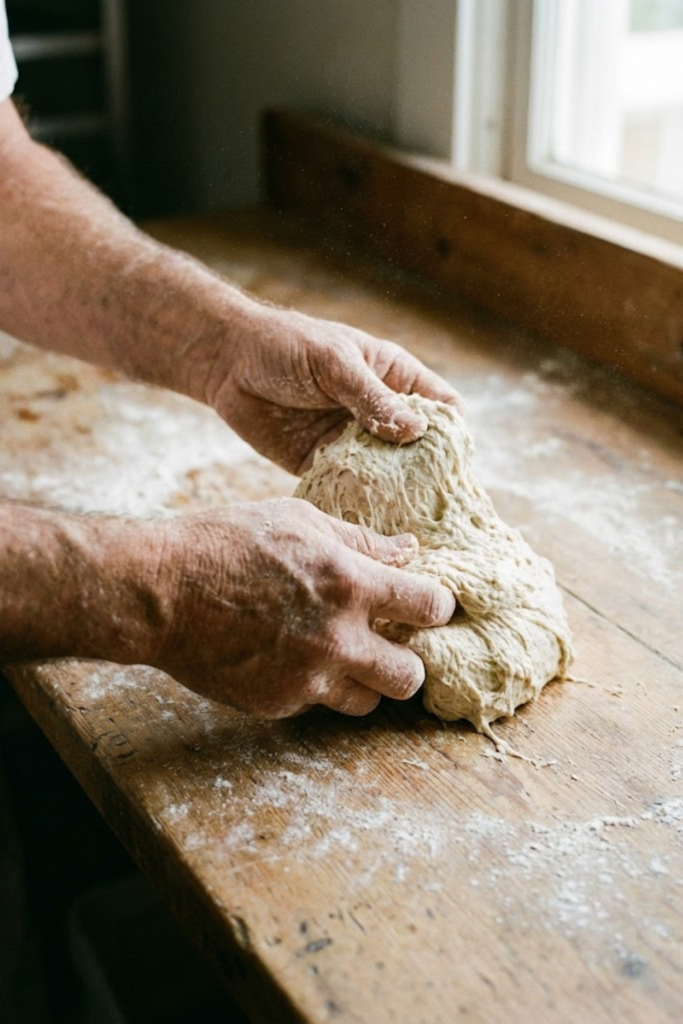
When I first started baking Homemade Irish Soda Bread with Raisins and Buttermilk, I had this idea in my head that I needed to work the dough like a professional pizza maker. I’d get in there with both hands and just go to town on it for ten minutes. I thought I was doing a good job because the dough looked so smooth and pretty. Boy, was I wrong. That loaf came out of the oven so hard we literally couldn’t slice it without a saw. I’ve learned since then that when it comes to this specific bread, your hands are your best tool, but you have to use them very carefully and not overdo it.
What is “Shaggy” anyway?
In most bread recipes, you want a smooth, elastic ball of dough. But with Irish Soda Bread, we are looking for what bakers call a “shaggy” dough. This basically means the flour and the buttermilk have just barely met. It should look a bit lumpy and messy, not perfect. If you keep mixing until it’s smooth, you’re developing the gluten too much. Since we aren’t using yeast, those gluten strands will just make the bread tough instead of light and airy. I tell my students to think of it like making a giant biscuit; you want to see those little bits of butter and flour still hanging out together rather than a perfectly blended mix.
The Gentle Pat-Down
Instead of kneading, I like to use a “fold and pat” method. Once the dough starts to pull away from the sides of the bowl, I turn it out onto a floured surface. I don’t punch it or squeeze it. I just gently fold it over itself maybe four or five times—just enough so it holds a round shape. If it’s sticking to your hands, don’t just dump a ton of extra flour on it. Just put a little bit of flour on your palms. You want the dough to stay a bit tacky. This is usually where people get nervous because it feels “wrong” to leave it so messy, but trust me, that mess is what makes the inside so soft.
Why Speed Matters
You also want to work fast. The second that buttermilk hits the baking soda, the clock starts ticking. The bubbles are starting to form, and if you spend too much time fussing with the shape, you’ll pop all those bubbles. I try to get my dough from the bowl to the baking sheet in under two minutes. It doesn’t need to be a perfect circle; a rustic look actually makes the bread look more authentic anyway. My best loaves always look a bit like a moon rock before they go into the oven, and they always taste the best!
Scoring the Cross: Tradition Meets Physics
One of my favorite parts about making Homemade Irish Soda Bread with Raisins and Buttermilk is that iconic cross on the top. When I was younger, I thought it was just for decoration, like putting a bow on a gift. My old neighbor used to tell me that we cut the cross to “let the fairies out” so they wouldn’t ruin the bread. I always loved that story, but as I got more into baking, I realized there is actually a bunch of science behind it too. If you skip this step, your bread might look okay on the outside, but the inside will probably stay gummy and weird.
Why We Cut the Top
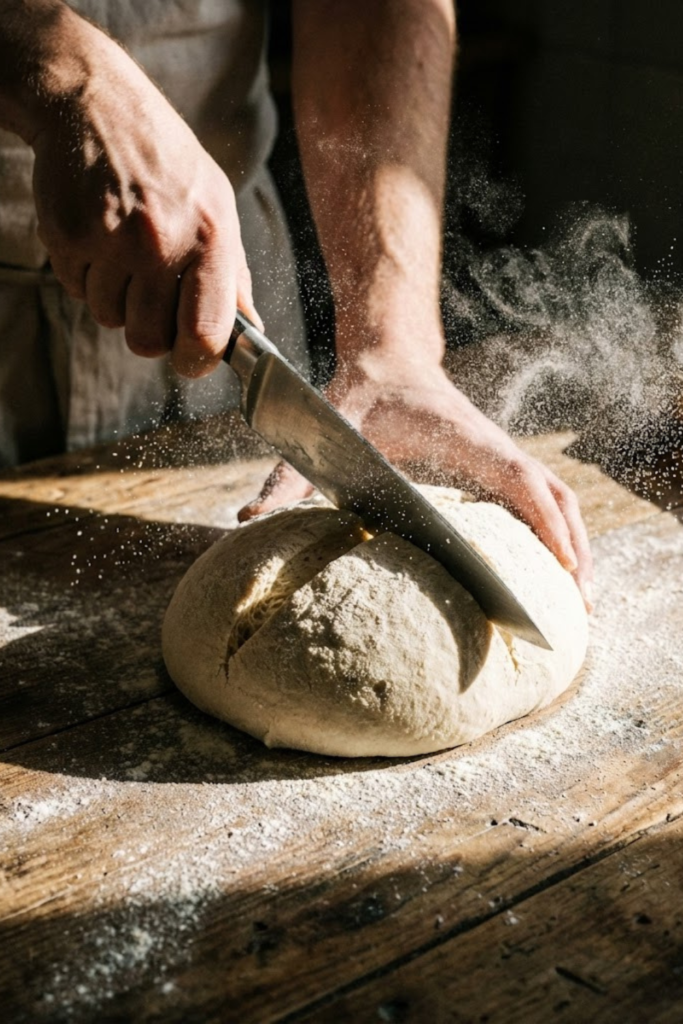
The main reason we score the dough is to give it a place to expand. Unlike regular bread that rises slowly on the counter, this soda bread does all its growing inside the hot oven. If you don’t give it a pre-made path to grow, the steam gets trapped inside. The bread will try to burst out of the sides or the bottom, which usually makes it look like it exploded. By cutting that deep “X”, you are telling the dough exactly where to open up. It lets the heat get into the center of the loaf much faster, which is how you get that perfect, even bake.
Getting the Depth Right
I see a lot of people just barely scratching the surface of the dough, but you really gotta be brave here. I usually cut about an inch deep. You want to go almost halfway through the loaf. I’ve found that if the cut is too shallow, it just heals back up in the first five minutes of baking and doesn’t do its job. Don’t worry about “hurting” the dough; it’s tough enough to handle it. Also, make sure your cuts go all the way to the edges. This helps the bread spread out in a nice, round circle instead of turning into a tall, awkward lump.
The Best Tools for the Job
You don’t need anything fancy to do this. I usually just grab my sharpest serrated steak knife from the drawer. Some people like to use a “lame,” which is just a fancy word for a razor blade on a stick, but I find a simple knife works just as well. The trick is to do it in one quick, smooth motion. If you go slow, the dough will stick to the blade and pull, making the top look jagged. If it does stick, just dip your knife in a bit of flour before the next cut. It makes a huge difference and keeps the lines looking clean and professional. It’s a small detail, but it really makes your loaf look like it came from a real Irish kitchen.
Baking and Storing Your Homemade Irish Soda Bread
The smell in your house right now is probably amazing. There is something about the scent of baking bread that just makes a home feel cozy. I remember the first few times I baked this Homemade Irish Soda Bread with Raisins and Buttermilk, I was so worried about the middle being raw. Irish soda bread is naturally dense, so it can be a little bit tricky to get right. You don’t want to pull it out too early and have a gooey center, but you also don’t want to leave it in until it’s a dry rock. Usually, about 40 to 45 minutes at 375°F (190°C) does the trick for my oven. If the top starts looking too brown before your timer goes off, I just throw a little piece of foil over it. It’s like giving the bread a little hat to keep it from burning while the inside finishes up.
Tapping for the “Hollow” Sound
My favorite way to check if the loaf is done is the old-school tap method. You pick the bread up with a kitchen towel (be careful, it’s really hot!) and tap the bottom with your knuckles. If it sounds hollow, like a little drum, you are good to go. If it sounds like a solid thud, it definitely needs another five or ten minutes. Some people use a thermometer to check for an internal temperature around 190 degrees, which is a great way to be sure if you aren’t confident in your tapping skills yet. I’ve found that the hollow sound is usually the most reliable way to tell it’s ready.
Softening the Crust
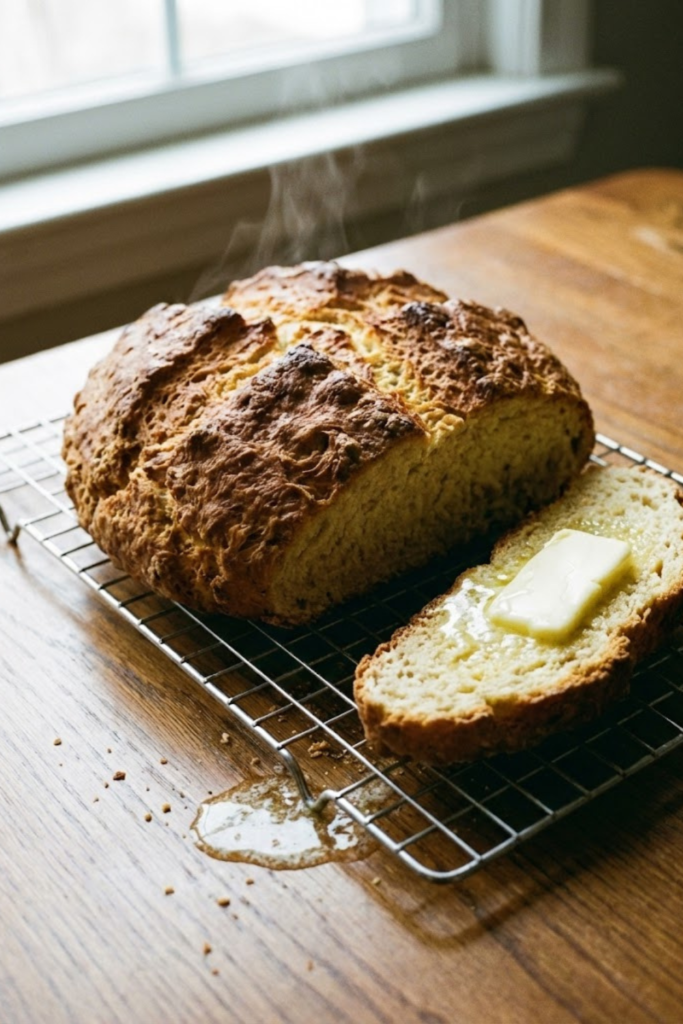
One thing my students often complain about is the crust being too hard to bite through. If you like a softer outside, here is a trick I learned from an old family friend. As soon as that bread comes out of the oven, wrap it in a clean, slightly damp kitchen towel while it’s still hot. The steam gets trapped against the crust and softens it right up as it cools down. If you prefer it crunchy and rustic, just let it cool on a wire rack without the towel. I personally like it crunchy, especially when it’s still a bit warm with a big slab of cold salted butter.
Saving the Leftovers
Since this bread doesn’t have any preservatives, it doesn’t stay fresh as long as the stuff you buy at the store. It’s really best eaten within a day or two of baking. If you have leftovers, don’t throw them away! This bread makes the absolute best toast in the world. I like to slice it thick and put it in the toaster until the edges get dark and crispy. It gets this nutty flavor that is just incredible. You can also freeze individual slices in a bag and just pop them right in the toaster whenever you want a quick snack. It’s a great way to make the magic last a little longer.
Bringing it All Together: Your New Favorite Tradition
I really hope you feel ready to get into the kitchen and try this Homemade Irish Soda Bread with Raisins and Buttermilk. When I first started teaching my friends how to bake, this was always the first recipe I shared. Why? Because it’s almost impossible to mess up if you just follow your gut and keep things simple. There is something so rewarding about taking basic things like flour, soda, and milk and turning them into a steaming loaf of bread in less than an hour. It makes you feel like a real kitchen pro, even if you’ve never touched a bag of flour before today.
We’ve talked about a lot of small details that make a big difference. Remember that the buttermilk is your best friend for getting that rise, and the raisins need a little soak so they stay juicy. Don’t be scared of that shaggy, messy dough—that’s where the magic happens. And of course, don’t forget to cut that deep cross on top. Whether you believe in the fairies or just want the bread to bake evenly, it’s a step you just can’t skip. Every time I pull a loaf out of the oven and see those deep, golden ridges, I get a little rush of excitement. It never gets old!
Baking isn’t just about following a set of rules; it’s about making something with your own two hands that you can share with the people you care about. I love seeing the look on my family’s faces when I put a warm loaf on the table for breakfast. Usually, it doesn’t even last twenty minutes before every single crumb is gone. If you have kids or grandkids, get them involved too. Let them help stir the raisins or dust the flour on the table. These are the kinds of memories that stick around long after the bread is eaten.
If you enjoyed making this Homemade Irish Soda Bread with Raisins and Buttermilk, please save this post and share it on Pinterest! It helps other home bakers find these tips, and I’d love to see photos of how your loaves turned out. There is a whole community of us out there trying to keep these traditional recipes alive, and your support means a lot. Now, go grab your butter, find a serrated knife, and enjoy that first warm slice!