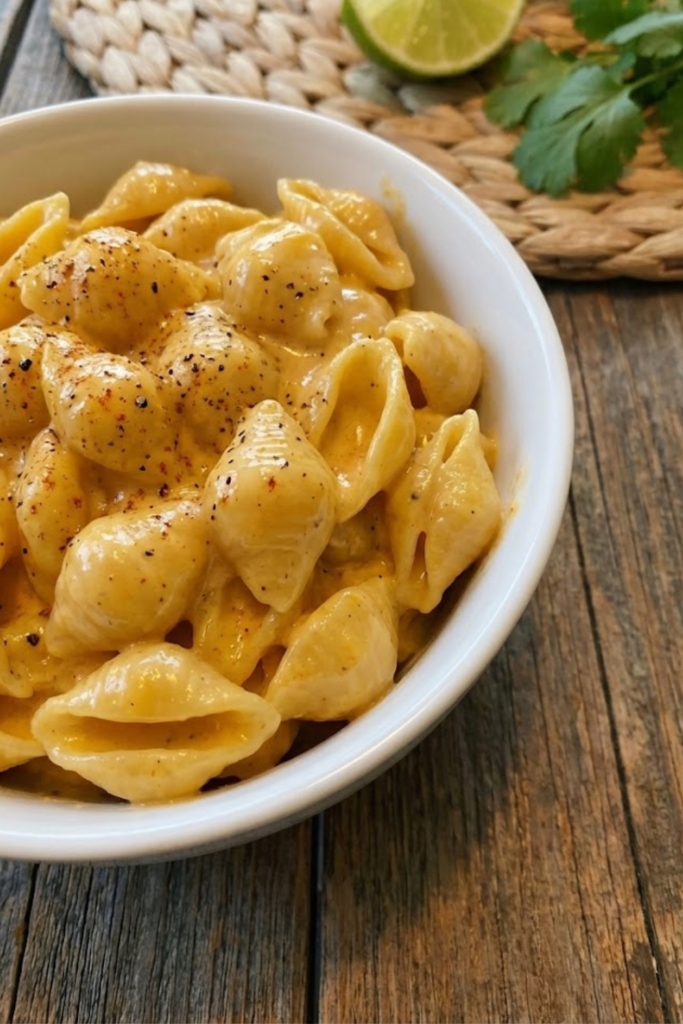
You know that feeling when you just want a big bowl of cheesy pasta, but the idea of standing over the stove making a complex roux feels like a math test you didn’t study for? That was me last Tuesday when I had a craving that wouldn’t quit, but I also had zero patience for measuring flour and butter perfectly. Honestly, I used to think you absolutely had to use flour to get that thick sauce, but after a failed experiment years ago where I ended up with a gritty, watery mess that my kids politely pushed around their plates, I finally found a better way. This mac cheese without flour recipe for 2026 changes everything because it uses simple pantry staples like evaporated milk to create a silky finish without the hassle, and since I stopped using a roux, I’ve realized the sharp cheddar flavor actually pops way more!
Why Ditch the Flour in Your Mac and Cheese?
Look, I used to be a total purist about making cheese sauce. I thought if you didn’t start with a bubbling mix of butter and flour, you were basically cheating. But then came the “Great Thanksgiving Disaster of 2019” where I burned my roux three times in a row while my in-laws watched from the kitchen island. It was humiliating! That’s when I realized there had to be an easier way to get that liquid gold without the stress.
Since ditching the flour, I’ve actually noticed the flavor is way better. When you make mac cheese without flour, there is nothing to mask the sharp tang of the cheddar. Flour can sometimes leave this weird, pasty aftertaste that dulls the cheese, kind of like putting a mute button on your taste buds. Without it, the sauce hits your tongue with pure, unadulterated cheesy goodness.
The Gluten-Free Bonus
I stumbled onto this benefit by accident when my neighbor, who has Celiac disease, stopped by for a surprise dinner. I was panicking because my usual recipe was a gluten bomb. But by skipping the flour and using cornstarch or evaporated milk instead, this dish becomes a safe haven for anyone avoiding gluten.
You don’t even need to buy expensive specialty ingredients. Just swap your noodles for a box of chickpea or rice pasta, and the sauce is naturally safe. It’s a huge relief to have a gluten-free mac and cheese recipe in your back pocket that doesn’t taste like “diet food.”
Texture That Won’t Quit
Here is the thing about flour-based sauces: they can get grainy if you aren’t careful. Have you ever had mac and cheese that felt a little bit like wet sand? That is usually the flour not cooking out all the way.
When you use alternative thickeners, the sauce gets this glossy, shiny look that is totally Instagram-worthy. It clings to the pasta differently—it’s slicker and smoother. My kids used to complain about the “lumps” in my old recipe, but now they lick the bowl clean. Plus, clean-up is way faster since I’m not scrubbing burnt flour off the bottom of my favorite pot.
Secret Ingredients for Thickening Without a Roux
I still have nightmares about the first time I tried to wing a cheese sauce. I thought if I just melted enough cheddar into heavy cream, it would magically turn into that thick, gooey goodness I saw on TV. Spoiler alert: It didn’t. I ended up with a greasy, separated mess that looked more like oil soup than dinner.
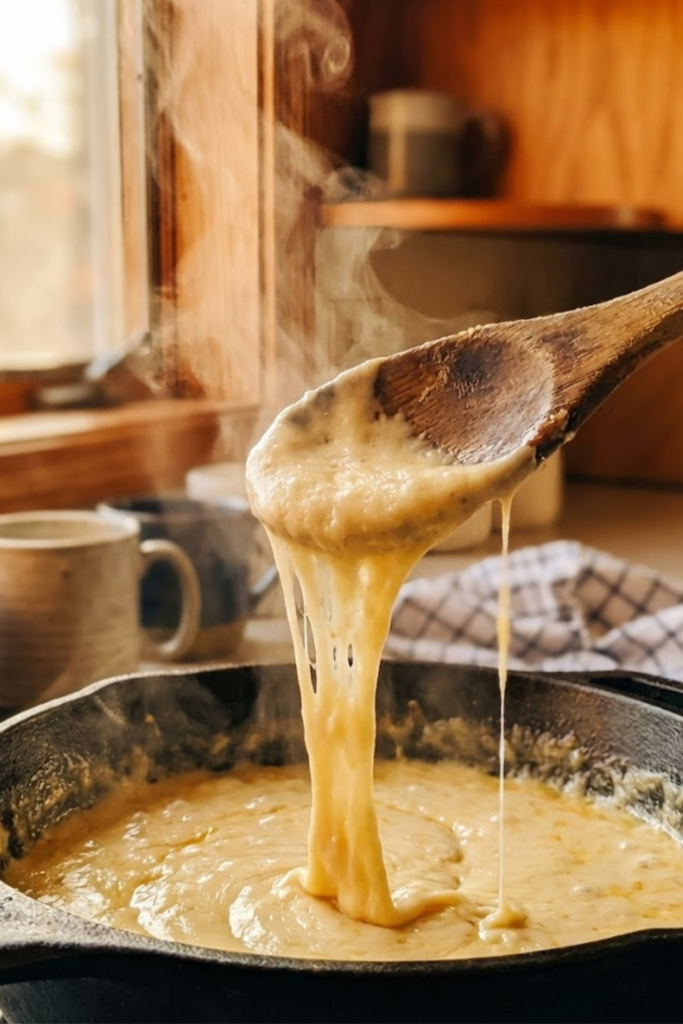
It took me a few more failed attempts to realize that you need a stabilizer to bond everything together. When you are making mac cheese without flour, you can’t just rely on the cheese itself to do the heavy lifting. You need a secret weapon to get that velvety texture.
The Magic of Evaporated Milk
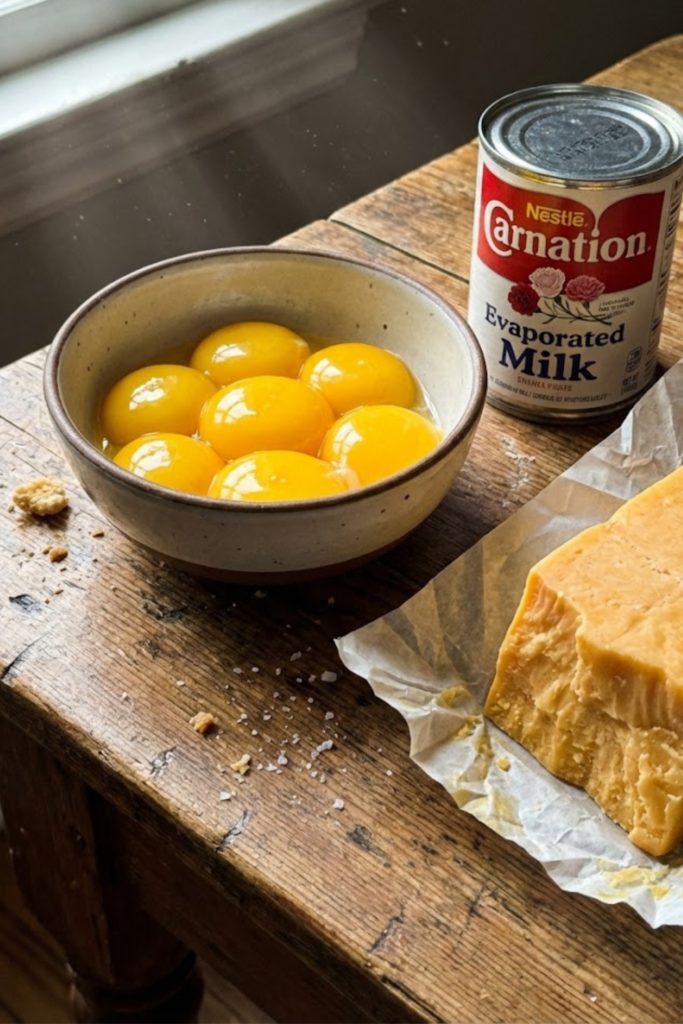
If there is one can you need in your pantry for 2026, it is evaporated milk. This stuff is liquid gold. Unlike regular milk, about 60% of the water has been removed, so it is highly concentrated with protein.
Why does this matter? The high protein helps emulsify the sauce without needing a roux. I used to turn my nose up at canned milk, thinking it was “old fashioned,” but I was so wrong. It keeps the cheese sauce stable and prevents it from breaking or getting grainy. Just shake the can well before you open it!
Cornstarch is Your Best Friend
Okay, so maybe you don’t have evaporated milk. That’s fine. Cornstarch is the most reliable backup plan. But please, learn from my mistakes: do not dump the powder directly into hot liquid!
I did that once, and I spent twenty minutes trying to fish out little white gummy balls from my sauce. It was gross. Instead, make a “slurry.” Mix a tablespoon of cornstarch with a splash of cold water in a separate cup until it dissolves. Then, whisk that into your bubbling cheese mixture. It thickens almost instantly.
Don’t Fear the Egg Yolk
This one sounds a little intimidating, but hear me out. Adding an egg yolk is an old-school trick that makes the sauce incredibly rich, almost like a savory custard. It adds a glossy shine that you just can’t get with cheese alone.
The trick is “tempering.” You whisk a little bit of the hot sauce into the beaten egg yolk in a separate bowl to warm it up, then you pour that back into the pot. If you dump a cold egg into hot sauce, you’ll get scrambled eggs in your mac. Nobody wants that. It takes an extra minute, but for a special Sunday dinner, it is totally worth the effort.
Step-by-Step Stovetop Instructions
I used to treat cooking pasta like a race. I thought the faster I could get it done, the sooner I could eat, so I would crank the burner to “high” and boil the noodles until they were massive and puffy. That was a huge mistake. The first time I tried to make mac cheese without flour using overcooked noodles, they completely disintegrated when I started stirring in the cheese. It was basically cheese-flavored oatmeal. Not appetizing!
Cooking on the stovetop requires a little bit of patience, but it is so worth it. You have to pay attention to the details. Here is how I manage the chaos now without losing my mind.
Nailing the Pasta Texture
First off, you have to salt your water. I mean, really salt it. It should taste like seawater. I used to be scared of sodium, but I learned that most of it stays in the water anyway. This is your only chance to flavor the actual pasta noodle itself.
When you drop the pasta in, set a timer for two minutes less than what the box says. You want it al dente, which is just a fancy way of saying it still has a little bite to it. Since we are going to finish cooking it in the hot cheese sauce, if you cook it fully in the water, it will turn to mush later. I usually stand by the stove and test a noodle every minute near the end because I’m paranoid about ruining it.
The “Low and Slow” Rule
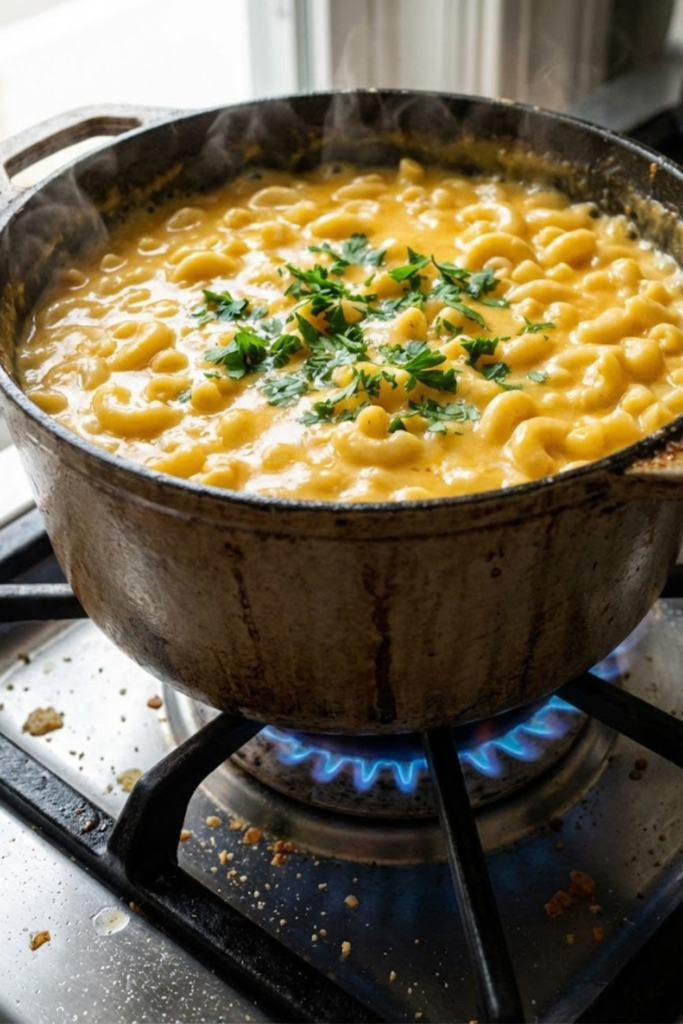
Once the pasta is drained, put the pot back on the stove, but—and this is super important—turn the heat down to low. If you try to melt cheese on high heat, the proteins seize up. That is how you get that oily, clumpy mess that separates.
I learned this the hard way when I was in a rush to feed three hungry kids. I blasted the heat, threw in my sharp cheddar, and watched in horror as a pool of grease formed on top. Now, I take a deep breath and keep the flame low. Add your evaporated milk (or milk and cornstarch slurry) first and let it get warm. Then, add the cheese in handfuls, stirring constantly.
Don’t Ditch All the Water!
Here is the biggest secret I missed for years: pasta water. Before you drain your noodles, scoop out a mug full of that cloudy, starchy water. It looks dirty, but it is actually liquid gold for your sauce.
When you are mixing the cheese and noodles, if it looks too thick or sticky, splash in a little bit of that reserved water. The starch helps the sauce stick to the noodles and makes it incredibly creamy. It emulsifies everything, which is just a science word for making it smooth and happy. I usually add about a quarter cup, stir, and see how it looks. It gives you that perfect, glossy finish that makes you feel like a pro chef.
Customizing Your Cheese Blend
I used to think cheese was just cheese. Orange, white, whatever—I assumed it would all melt the same way. Boy, was I wrong. I learned this the hard way when I tried to impress my husband with a fancy dinner early in our marriage. I bought a block of extra-aged, expensive cheddar that was so crumbly it basically turned into oil and grit in the pot. We ended up ordering pizza.
When you are making mac cheese without flour, the cheese you pick matters more than anything else. Since there is no flour to mask the flavor or hide imperfection, the cheese is out there on its own. You have to be picky.
Why Sharp Cheddar is Non-Negotiable
If you want that classic taste that hits you right in the nostalgia bone, you need sharp cheddar. Mild cheddar just gets lost. It’s too wimpy. I usually go for a “Sharp” or “Extra Sharp” variety.
However, here is the catch: the sharper the cheese, the harder it is to melt. That is because aged cheeses have less moisture. So, I never use 100% sharp cheddar anymore. It’s too risky. I usually do a 50/50 split. Half sharp cheddar for the flavor punch, and half of a “melting cheese” to keep things smooth. It’s all about balance.
The Best Melters to Mix In
So, what should you mix with your cheddar? My personal favorite is Gruyère. It sounds fancy and expensive, and okay, it costs a little more, but it melts like a dream. It gives the sauce this nutty, complex flavor that makes people ask, “What is in this?”
If you are on a budget (and believe me, I get it), Monterey Jack is the unsung hero of the cheese aisle. It is super mild, but it melts better than almost anything else. It acts like a safety net for your sauce, keeping it creamy even if you accidentally get the heat a little too high.
The Number One Rule: Grate It Yourself!
If you take only one thing away from this, let it be this: Do not buy pre-shredded cheese. Just don’t do it.
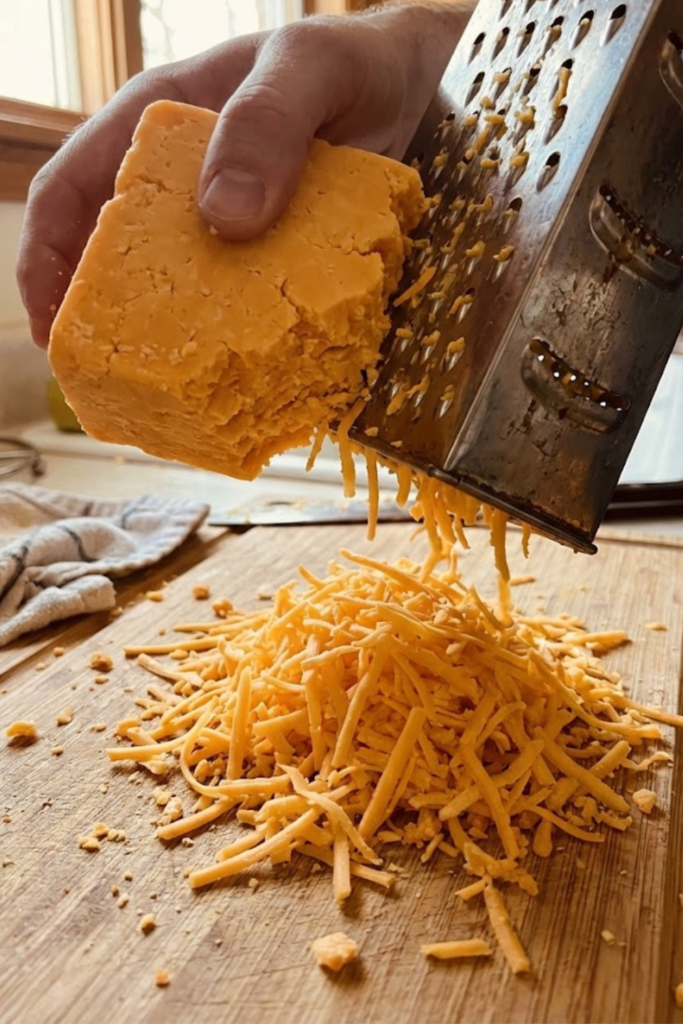
I know, I know. It’s convenient. I have totally grabbed a bag when I was tired and just wanted to be done with dinner. But here is the dirty little secret: bagged cheese is covered in “anti-caking agents,” which is basically potato starch or cellulose (wood pulp!). That stuff is designed to stop the cheese from clumping in the bag, which means it also stops it from melting together in your pot.
Every time I have used bagged cheese for mac cheese without flour, the sauce ends up gritty and thick in a bad way. Grab a box grater and do it by hand. Consider it your arm workout for the day. The difference in texture is night and day.
Common Mistakes When Making Flourless Cheese Sauce
I have ruined more batches of mac and cheese than I care to admit. There is nothing more heartbreaking than craving a creamy bowl of comfort food and ending up with a gritty, oily disaster. It’s frustrating enough to make you want to order takeout. When you are making mac cheese without flour, the margin for error is a little smaller because you don’t have that starch safety net.
I used to think I could just throw everything in a pot and hope for the best. That strategy failed me big time. Through a lot of trial and error (and some very sad dinners), I’ve pinpointed the exact moments where things usually go wrong. Hopefully, my mistakes can save your dinner.
The Heat is Your Enemy
The biggest mistake I see—and one I made constantly—is cranking the heat too high. I’m impatient. I want the cheese to melt now. But cheese is temperamental. If you boil it, the proteins tighten up and squeeze out the fat.
I remember serving a pot to my family that had a literal pool of orange oil floating on top. It was gross. My husband tried to be nice about it, but we both knew it was a fail. When you add your cheese, take the pot off the burner or turn it down to the absolute lowest setting. Let the residual heat do the work. If you see grease forming, you’ve gone too far.
Don’t Skimp on the Fat
A few years ago, I went through a “health kick” and tried to make this recipe with skim milk and low-fat cheddar. It was a tragedy. The sauce was thin, watery, and had zero flavor. It basically tasted like sad pasta water.
To get that luxurious texture in mac cheese without flour, you need fat. Fat is what makes it coat your tongue. If you use watery milk, there is nothing for the cheese to emulsify with. Stick to whole milk or evaporated milk. If you are going to eat mac and cheese, just commit to it! You can eat a salad for lunch tomorrow.
Forgetting the “Flavor Boosters”
Cheese is great, but it can be surprisingly one-note if you don’t help it out. I used to serve mac that was just… bland. It was cheesy, sure, but it was missing that “oomph.” My mother-in-law once asked for the salt shaker after one bite, which was basically a dagger to my heart.
Now, I always add a pinch of mustard powder and a dash of smoked paprika. You don’t really taste them, but they make the cheese taste more like cheese. And don’t forget the salt! Pasta loves salt. If your sauce tastes flat, it’s almost always because you were too scared to season it properly. Taste as you go, and don’t be shy.
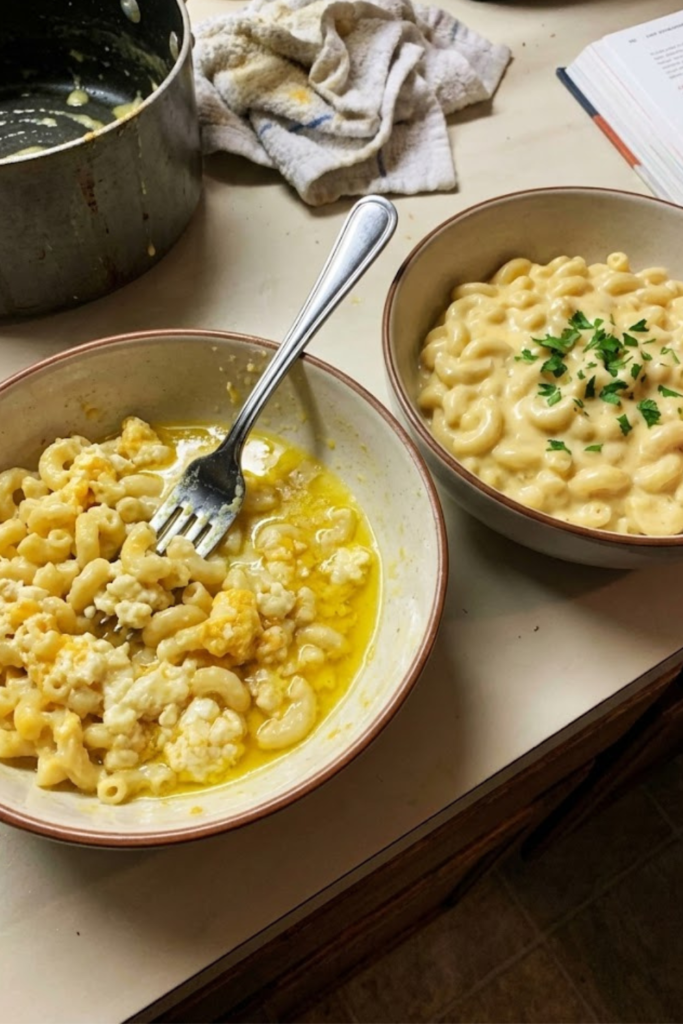
So, there you have it—we have officially busted the myth that you need a complicated roux to make amazing pasta. I honestly can’t believe I wasted so many years stressing over flour measurements when the answer was sitting in a can of evaporated milk the whole time. Switching to this mac cheese without flour method has seriously saved my sanity on busy weeknights, turning a meal that used to feel like a chore into something I can whip up while helping my youngest with their homework. It’s fast, it’s forgiving, and let’s be real, it tastes way better than the boxed stuff we all grew up on. If this recipe saves your dinner like it saved mine, I would be so grateful if you could pin this recipe to your ‘Comfort Food’ board on Pinterest to help other home cooks discover how easy homemade mac can actually be!