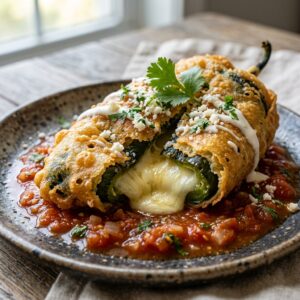
I used to be the person wasting gas in a drive-thru line just for a crispy chicken fillet, dropping way too much cash on fast food, until I realized my homemade attempts resulted in soggy breading or raw centers. One specific Tuesday, after nearly throwing my tongs across the kitchen over a sad, limp sandwich, I decided to stop looking for shortcuts and actually learn the science behind the crunch. It took months of messy experiments—and plenty of flour on the floor—to realize the secret isn’t just the frying, but the buttermilk marinade that tenderizes the meat before it even touches the oil. This chicken sandwich recipe is the result of those failures, stripping away chef jargon to focus on simple wins like the perfect pickle brine soak. Trust me, once you bite into this homemade creation, you’ll never go back to the window, so grab your apron and let’s get cooking!
Choosing the Best Chicken: Breast vs. Thighs
When I first started trying to nail this chicken sandwich recipe, I was obsessed with using big, thick chicken breasts. I thought bigger was better, right? Wrong. I can’t tell you how many times I bit into a sandwich that looked perfect on the outside but was completely raw and pink in the middle. It was gross, and I wasted a lot of good meat because I was too stubborn to change my ways.
The cut of meat you choose actually makes or breaks the whole sandwich. For the longest time, I was a die-hard white meat fan because that’s what most fast-food joints use. A fried chicken breast is classic; it gives you that substantial bite and looks great on a bun. But if you aren’t careful, it dries out faster than a sidewalk in July.
The Case for Thighs
Then I accidentally bought chicken thighs one day because the store was out of breasts. I decided to use them anyway, and wow, my mind was blown. Thighs are naturally higher in fat, which means they are way more forgiving if you leave them in the fryer a minute too long. The dark meat stays incredibly moist and has a deeper flavor that really stands up to the spicy mayo.
If you are a beginner at deep frying, I’d honestly recommend starting with boneless, skinless thighs. You almost can’t mess them up. They stay juicy meat heaven even if your oil temp fluctuates a bit. However, they are often uneven in shape, which can make stacking your sandwich a little weird.
Why You Need a Hammer
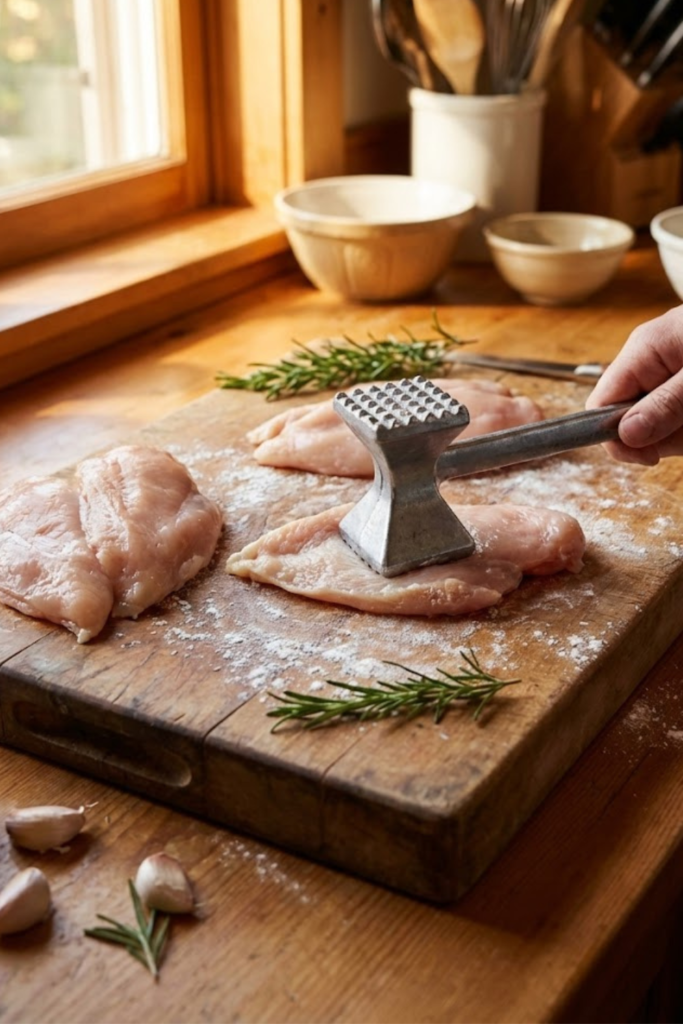
If you stick with the breast meat, like I usually do now for that classic look, you have to do some prep work. You cannot just throw a whole breast into the flour. You have to pound it out. I used to skip this because I didn’t want to wash another tool, but it is necessary.
Get yourself a meat mallet or even a heavy rolling pin. Place the chicken between two pieces of plastic wrap and whack it until it is even. You want it to be about half an inch thick all the way around.
This does two things. First, it tenderizes the meat by breaking down those tough muscle fibers. Second, and this is the big one, it makes sure the chicken cooks at the same speed. No more burnt edges with a raw center.
Trimming the Fat
Before you start swinging that hammer, take a second to look at your meat. I used to just toss it in, but you really need to trim the excess fat and that weird gristle. Nothing ruins a bite like chewing on a piece of rubbery tendon.
Take a sharp knife and clean up the edges. It takes five minutes, but it makes the final product feel so much more professional. You want a nice, clean fillet that is going to fit perfectly on your bun.
Also, dry the chicken with paper towels before you put it in the marinade. I know it sounds counterintuitive because you are about to get it wet again. But if the chicken is covered in water from the package, the marinade gets watered down and doesn’t stick as well.
It’s these little details that I missed for years that made my food mediocre. Once I started paying attention to the prep, the quality of my sandwiches skyrocketed. So, pick your fighter—breast or thigh—and show it some love before we get to the fun part.
The Secret Buttermilk Marinade
I used to think marinating was just a fancy step that TV chefs did to look busy. In my early days of cooking, I would take the chicken straight from the package, dunk it in flour, and throw it in the oil. The result? The coating tasted okay, but the meat inside was bland and tough as shoe leather. I couldn’t figure out why my chicken sandwich recipe never tasted like the ones I bought.
It wasn’t until I actually read a science book about cooking (yes, I’m a nerd) that I realized I was skipping the most important part. You have to break the meat down before you build it back up. That is where the buttermilk comes in.
Why Buttermilk is Magic
If you don’t have buttermilk in your fridge, go get some. I tried using regular milk once because I was too lazy to go to the store, and it just didn’t work the same. Regular milk is too thin and lacks the acidity you need.
The acid in the buttermilk marinade attacks the protein structures in the chicken. It loosens them up, which means the meat retains more moisture when it hits that screaming hot oil. Without it, your chicken tightens up and dries out.
Plus, buttermilk is thick. It clings to the meat, which helps your flour mixture stick later on. I’ve had way too many “naked” fried chicken disasters where the breading fell off because I didn’t have a good binder.
Don’t Just Use Liquid
Here is another mistake I made for years: I only seasoned my flour. I thought, “The spices are on the outside, so I’ll taste them, right?” Wrong. If you bite through the crust and hit unseasoned meat, the whole experience falls flat.
You need to season your liquid heavily. I dump in a generous amount of garlic powder, onion powder, and smoked paprika right into the bowl. It should look orange and speckled, not white.
And salt! Do not be afraid of salt. The chicken isn’t going to absorb all of it, but it needs enough to wake up the flavor. I usually add a few dashes of hot sauce here too. It doesn’t make the sandwich super spicy; it just adds a nice hum in the background.
The Pickle Juice Trick
Okay, this is the trick that changed my life. I used to drain my jar of pickles and pour that green gold right down the sink. What a waste.
Pouring a splash of pickle brine into your marinade is a game-changer. It adds a salty, garlicky tang that cuts through the richness of the fried food. It sounds weird if you haven’t tried it, but it is exactly what the big fast-food chains do.
I usually do a ratio of about 3 parts buttermilk to 1 part pickle juice. Just make sure you account for the extra saltiness from the brine so you don’t over-salt the mixture.
The Waiting Game
Now comes the hard part: waiting. I am the most impatient cook in the world. I have definitely pulled the chicken out after ten minutes because I was starving. But I regretted it.
For the best results, you really need to let it sit in the fridge for at least an hour. If I am organized (which is rare), I’ll prep it the night before and let it go overnight. The difference in tenderness is night and day.
Just cover the bowl with plastic wrap and shove it to the back of the fridge. Go watch an episode of your favorite show and forget about it. When you come back, that chicken is going to be ready to become the star of the best chicken sandwich recipe you have ever made.

The Dredge Station: Achieving Maximum Crunch
I used to wonder why my homemade fried chicken looked smooth and boring compared to the jagged, crunchy masterpieces I saw in restaurants. My coating was always just a flat layer of fried dough. It tasted fine, but it lacked that shatter-in-your-mouth texture that makes a chicken sandwich recipe truly legendary.
I spent a lot of time staring at my fryer in confusion before I realized I was being too neat. Cooking this kind of food is not about being tidy; it is about creating chaos in the flour bowl. If your kitchen counter isn’t a disaster by the end of this, you probably didn’t do it right.
The Cornstarch Hack
For years, I used straight all-purpose flour. It works, but it can get a little heavy and doughy if you aren’t careful. The trick I learned from a friend who worked in a diner is to cut the flour with starch.
I swap out about a quarter of the flour for cornstarch. This cornstarch dredge creates a lighter, crispier shell that holds its crunch way longer. It prevents the breading from absorbing too much oil and getting soggy.
When you bite into it, you want a snap, not a thud. That mixture helps you get there.
Season Every Layer
I feel like a broken record saying this, but please season your flour. I have bitten into way too many pieces of chicken where the meat was good, but the crust tasted like raw chalk.
I take the same spices I used in the marinade—cayenne pepper, garlic powder, and plenty of black pepper—and whisk them into the dry mix. You want the flavor to hit you the second your tongue touches the sandwich.
Taste a tiny pinch of the raw flour mixture. If it tastes like nothing, add more salt. It should taste savory on its own.
The “Drip” Technique
This is my favorite part, and it is the secret to those extra crunchy bits. Before I take the chicken out of the bowl, I take a spoon and drizzle a little bit of the wet marinade directly into the dry flour.
Then, I use a fork to mash it around until little clumps form. These little jagged nuggets attach to the chicken and fry up into super crispy clusters.
We call these “shaggles” in my house, though I don’t think that is a real culinary term. They give the sauce something to hold onto later. Without them, your surface is just too smooth.
Pack It On
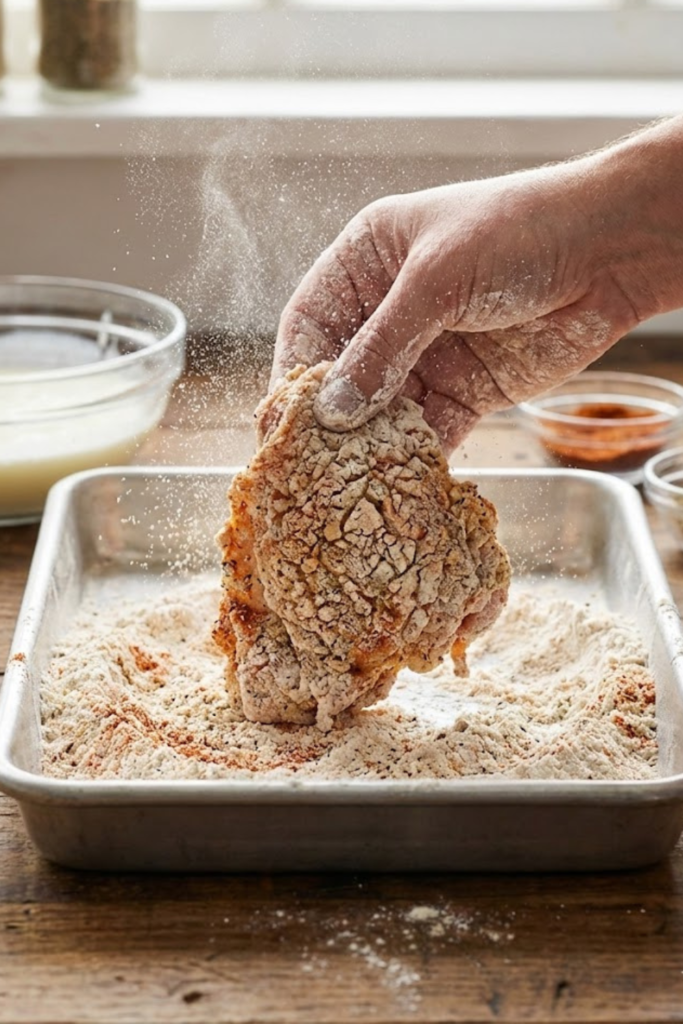
When you move the chicken from the wet bowl to the dry bowl, don’t just roll it around. You need to be aggressive. I use the heel of my hand to firmly press the seasoned flour into every crevice of the meat.
Flip it and press again. You want that coating to basically become one with the meat. If you are too gentle, the breading will balloon up and fall off when it hits the oil.
After it is coated, give it a firm shake to knock off the loose dust. You want a crispy coating, not a mouthful of burnt powder.
Once the chicken is breaded, let it sit on a wire rack for about 10 minutes. This “tacks up” the coating and helps it set. If you fry it immediately, it tends to flake off, so give it a minute to relax while you heat up your oil.
Deep Frying Temperature and Tips
I used to be terrified of deep frying. The idea of a pot full of boiling liquid sitting on my stove felt like a recipe for a house fire. The first time I tried it, I cranked the heat up way too high and nearly smoked my family out of the kitchen. My chicken turned black on the outside within seconds while the inside was still basically raw sushi.
It took a few burnt batches for me to realize that controlling the heat is the most important skill here. You can have the best marinade in the world, but if your deep frying oil is the wrong temperature, it doesn’t matter.
Pick Your Vessel Carefully
Don’t try to fry chicken in a flimsy soup pot. You need something heavy that holds heat well. I swear by my enameled dutch oven or a trusty cast iron skillet.
When you drop cold chicken into hot oil, the temperature plummets instantly. A heavy pan helps the oil recover its heat faster so your food doesn’t sit there soaking up grease. If the oil stays cool for too long, you end up with a soggy, oily mess instead of a crispy crust.
Also, make sure the pot is deep enough. You only need to fill it about halfway. If you overfill it, the oil will bubble over when you add the meat, and that is a cleanup nightmare I wouldn’t wish on anyone.
The Best Oil for the Job
I learned the hard way that not all oils are created equal. I once tried to use olive oil because it was all I had, and the smoke smell was unbearable. You need an oil with a high smoke point.
Peanut oil is my absolute favorite for this chicken sandwich recipe. It has a high heat tolerance and adds a very subtle, delicious flavor that reminds me of my favorite fast-food spots. If you have a nut allergy or just want to save a few bucks, vegetable oil or canola oil works perfectly fine too.
The Thermometer is Not Optional
Please, do not try to guess the temperature. I used to do the “wooden spoon test” where you stick a spoon in the oil to see if it bubbles. That tells you the oil is hot, but it doesn’t tell you if it’s 300°F or 400°F.
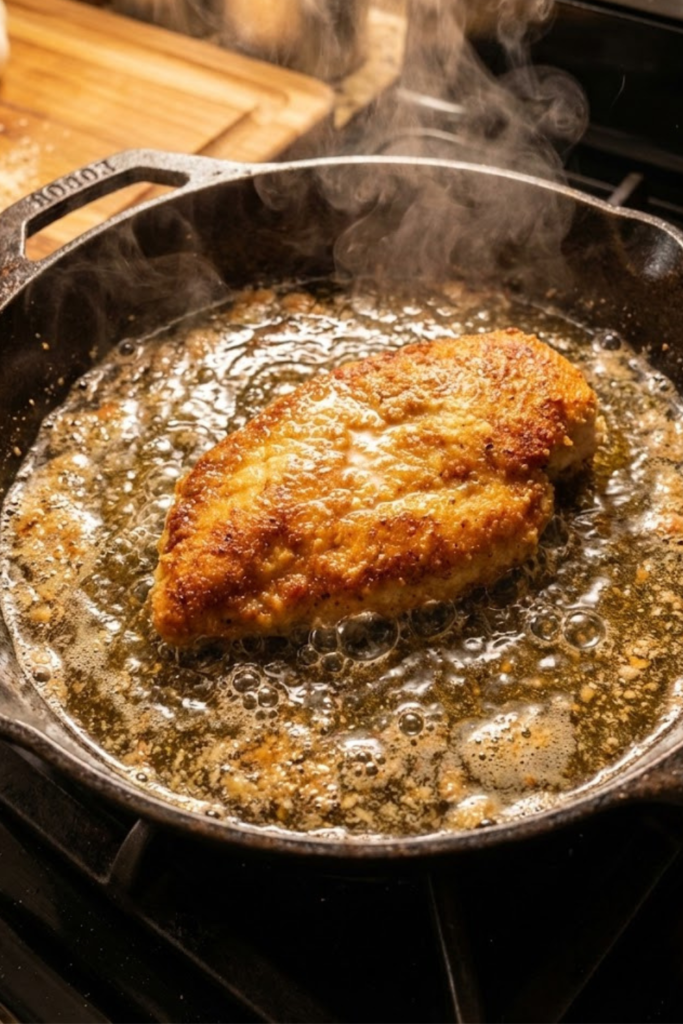
Buy a candy or frying thermometer that clips to the side of the pot. You want to maintain a steady 350°F (175°C). If it gets too hot, the breading burns; if it gets too cool, the breading absorbs oil.
Keep an eye on that dial like a hawk. When you drop the chicken in, the temp will drop, so you might need to nudge the burner up a bit to compensate.
Checking for Doneness
Taking the chicken out too early is a rookie mistake I’ve made plenty of times. The crust looks beautiful and golden brown, so you think it’s done. But looks can be deceiving.
Always use an instant-read thermometer to check the internal temperature. You are looking for 165°F (74°C) at the thickest part of the meat.
When you take the pieces out with your kitchen tongs, place them on a wire rack, not a paper towel. Paper towels trap steam and make the bottom of your crust soggy. We worked too hard for that crunch to lose it now!
Assembling the Ultimate Chicken Sandwich
You can fry the most perfect piece of chicken in the world, but if you put it on a stale, dry bun, you have wasted your time. I learned this the hard way at a backyard barbecue a few years ago. I spent hours marinating and frying, only to serve the meat on cheap, cold hamburger buns that fell apart halfway through the meal. It was tragic, and my friends still tease me about the “disintegrating sandwich incident.”
The assembly is just as important as the cook. You have to treat this part like you are building a house; the foundation needs to be solid.
The Bread Matters
Do not grab just any bread from the pantry. For this chicken sandwich recipe, the brioche buns are non-negotiable . They are slightly sweet, buttery, and soft enough to squish down when you take a bite, but sturdy enough to hold the weight of the fried fillet.
And please, for the love of food, toast them. I brush a little melted butter on the cut sides and throw them in a skillet for about 30 seconds until they are golden.
A cold bun against hot chicken is just sad. A toasted bun adds texture and creates a barrier so the sauce doesn’t make the bread soggy immediately .
The Spicy Sauce
Dry sandwiches are the enemy. You need a sauce that brings everything together. I used to just slap plain mayo on there, but it was boring. You need something to wake up your palate.
My go-to spicy mayonnaise is stupidly simple. I mix about half a cup of good quality mayo with a tablespoon of hot sauce (use your favorite brand), a pinch of garlic powder, and a squeeze of lemon juice .
If you like it smoky, toss in a little chipotle powder. Spread a thick layer on both the top and bottom bun. Trust me, you want that creamy heat in every single bite.
The Crunch Factor
Now, let’s talk toppings. Keep it simple. I went through a phase where I tried to put tomatoes, onions, and cheese on these, and it was just too much. It turned into a messy slide.
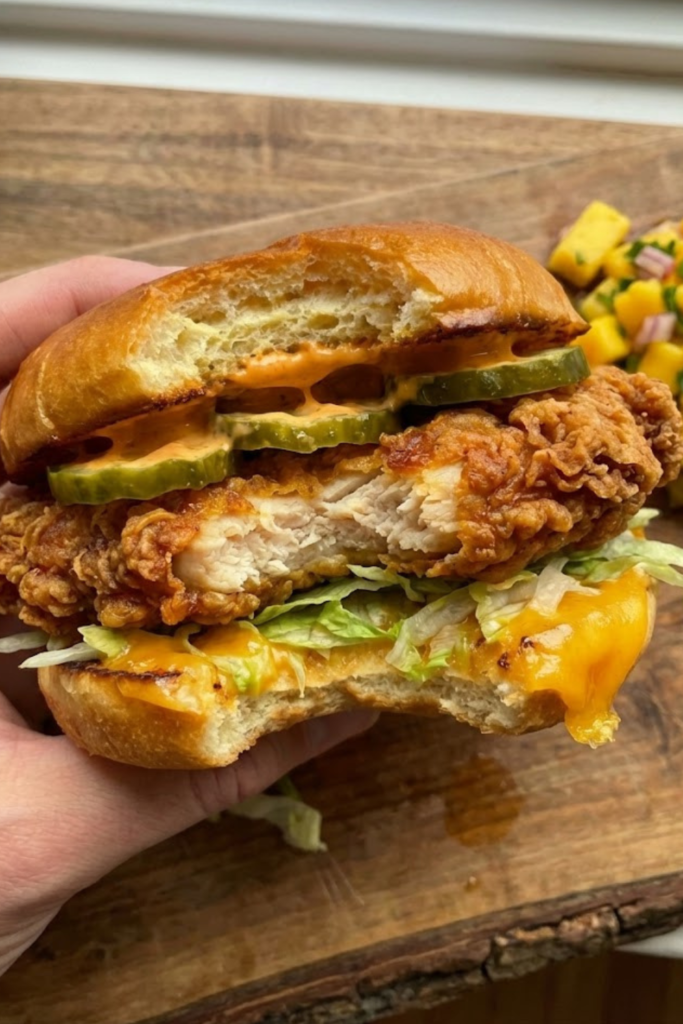
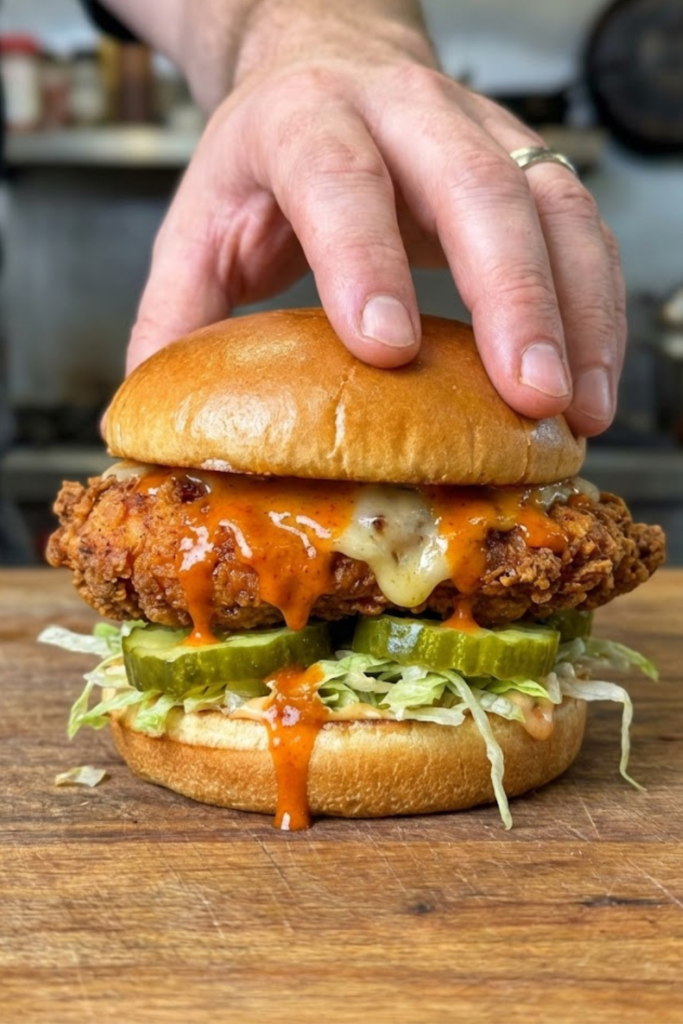
The classic combo is best: dill pickles and shredded lettuce . The pickles provide the acid that cuts through the grease of the fried food. Without them, the sandwich feels too heavy.
I use thick-cut pickles so they don’t get lost. For the lettuce, shred it entirely finely—iceberg is best for that refreshing crunch. It catches the extra sauce and adds a nice temperature contrast to the hot meat.
The Build
Here is the order that works best for me to prevent the dreaded “slide.” Bottom bun, sauce, pickles, chicken, lettuce, sauce, top bun.
If you put the pickles under the chicken, they stay put. If you put them on top, they tend to slide around when you take a bite.
Also, let your chicken rest on a wire rack for a minute before you build the sandwich assembly . If you throw piping hot chicken directly onto the lettuce, the lettuce will wilt instantly and turn into slimy green mush.
Give it a second to cool down just a fraction. It makes the difference between a crisp, restaurant-quality meal and a soggy mess. Now, go take a big bite—you earned it.
I still remember the first time I served this to my friends on a game night, sweating over the fryer and wondering if the breading would slide off like it did in my early kitchen disasters, but that first silence-inducing crunch proved that a homemade chicken sandwich recipe beats anything sitting under a heat lamp at the drive-thru . It really comes down to patience—respecting the buttermilk soak and watching your oil temp like a hawk—so don’t be like the old me who rushed the process and ended up with burnt edges and raw centers . Whether you stick to the classic script or spike the flour with extra cayenne like my wife loves, you now have the skills to conquer the deep fryer without fear . If this guide made your stomach grow, do future-you a favor and pin this recipe to your Pinterest board for your next cheat day!