Honestly, I used to walk right past the zucchini and yellow squash at the grocery store without a second glance! But let me tell you, once I figured out how to actually cook them without turning them into a soggy mess, everything changed. Did you know that zucchini is actually a fruit, not a vegetable? Crazy, right? In this article, we are going to dive deep into the world of zucchini and squash, exploring everything from grilling techniques to baking secrets. Whether you have a garden exploding with summer squash or just grabbed a few on sale, I’ve got you covered. Let’s get cooking!
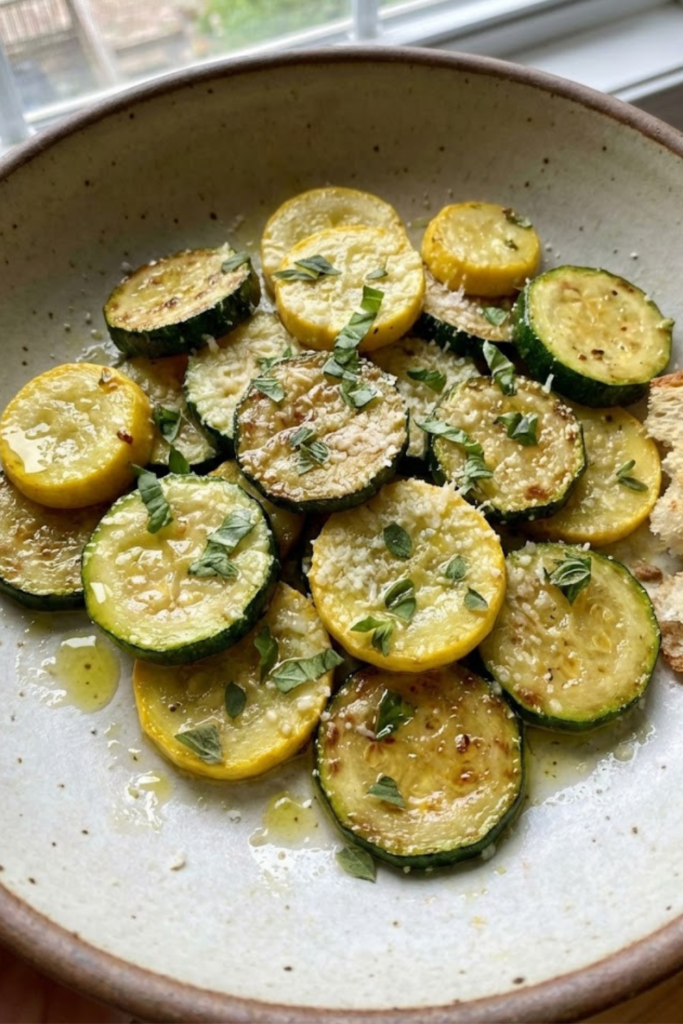
Differences Between Zucchini and Yellow Squash
I have a confession to make. For the longest time, I thought zucchini and squash were basically the same vegetable in different outfits. I’d grab whatever looked good at the market, toss it in a pan, and hope for the best. Sometimes it worked out great. Other times? I ended up with a watery, mushy disaster that nobody wanted to eat. It was super frustrating!
After years of cooking for my family and trying to get veggies into them, I finally realized that while these two are cousins, they aren’t twins. Knowing the difference is a total game changer for your summer meals.
It’s All About the Shape and Skin
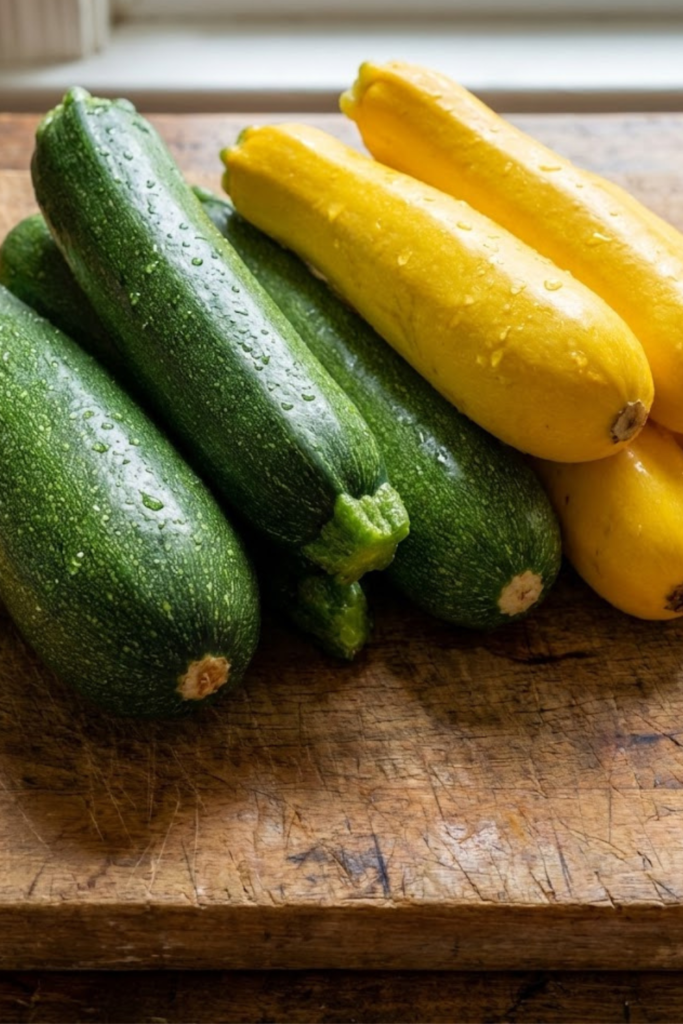
Okay, obviously one is green and one is yellow. But look closer. Zucchini is usually straight as an arrow and has this smooth, dark green skin. Yellow squash, on the other hand, often has a curved neck—kind of like a goose—and the skin can be a bit bumpier. I’ve found that yellow squash skin is sometimes a tiny bit tougher than zucchini skin, especially if you pick the big ones.
Speaking of size, here is a tip I learned the hard way: bigger isn’t better. I used to buy the huge ones thinking I was getting more bang for my buck. Huge mistake. The big ones are watery and full of giant seeds. Stick to the small to medium ones for the best flavor.
Flavor Profiles
If you eat them raw, you might not notice a huge difference. But when you cook zucchini and squash, their personalities come out. Zucchini has a mild, earthy flavor. It’s like a sponge; it just soaks up whatever garlic or spices you throw at it.
Yellow squash is a bit different. To me, it tastes slightly nuttier and a little sweeter. However, it can also be a bit “seedier” inside. My kids used to pick around the yellow slices because of the seeds, but they’d eat the green ones no problem. Go figure!
Texture Troubles
This is where I messed up a lot in the past. Yellow squash tends to release more water than zucchini. I remember making a casserole once where I swapped them 1:1 without thinking. The whole dish was swimming in liquid by the time I pulled it out of the oven.
If you are making a soup or a stew, yellow squash is great because it breaks down a little easier. But if you want a crisp stir-fry, zucchini holds its shape better.
Which One Should You Use?
Honestly, for most recipes, you can mix them. I love the way green and yellow look together in a sauté pan—it screams “fresh summer dinner.” But if you are baking, like making zucchini bread, stick to the green stuff. Yellow squash is a bit too wet for baking unless you really drain it well.
Here is the bottom line: don’t be afraid to experiment with zucchini and squash. Just keep an eye on that water content, and you’ll be golden. Trust me, your dinner guests will thank you.
How to Cut Zucchini and Squash for Even Cooking
You know what used to drive me absolutely crazy in the kitchen? I’d be standing over the stove, stirring a pan of veggies, and half of them would be burnt to a crisp while the other half were still rock hard. It took me an embarrassingly long time to realize it wasn’t my stove’s fault. It was my terrible knife skills.
I used to just hack away at zucchini and squash like I was chopping firewood. Big chunks, little slivers—it was a mess. If you want your dinner to taste good, you have to treat your vegetable prep with a little more respect. Uniformity is the secret sauce here.
Stop Hacking and Start Slicing
First off, please sharpen your knife. A dull knife is actually way more dangerous because it slips. I learned that lesson the hard way a few years back (I still have a tiny scar on my index finger to remind me!). When you are cutting cylindrical veggies like zucchini, you need a stable surface.
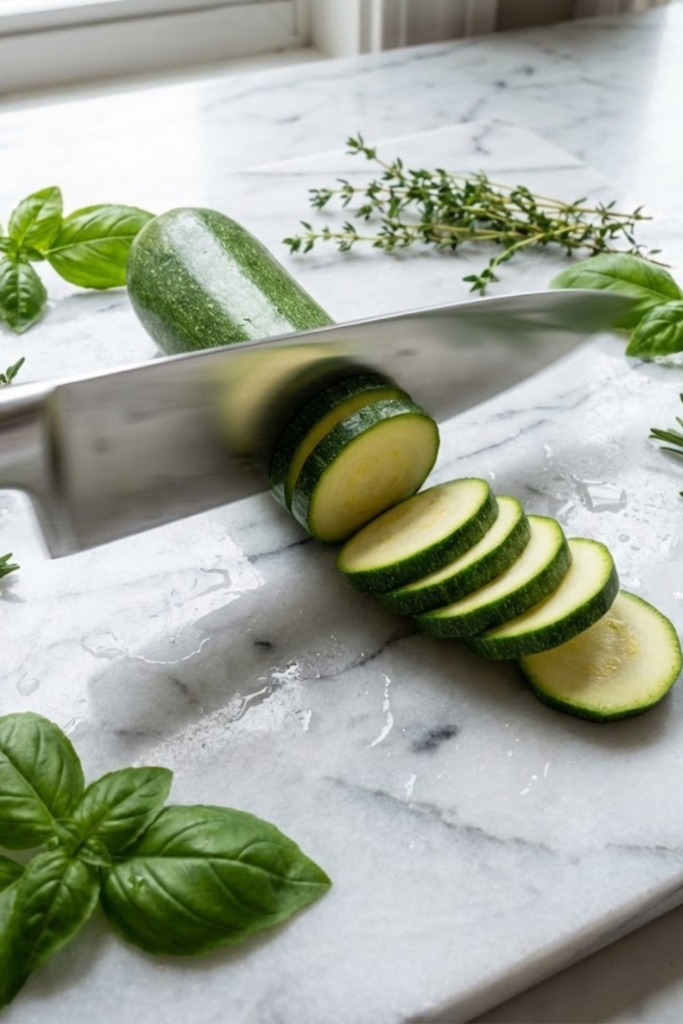
Here is a trick I tell everyone: slice a tiny thin strip off the side of the squash first. This creates a flat base so it doesn’t roll around on the cutting board while you’re trying to chop. It sounds simple, but it saves fingers!
The Classic Coin and Half-Moon
For most recipes, especially if you are sautéing, you want what chefs call “coins.” These are just round slices. The goal is to get them all the same thickness—aim for about a quarter of an inch. If they are too thin, they turn into mush instantly. Too thick? They stay raw in the middle.
Now, if you bought those giant monster squash I warned you about earlier, the coins might be too big to eat in one bite. That is when I switch to “half-moons.” Just slice the vegetable lengthwise down the middle first, then slice your half-circles. It makes the zucchini and squash cook faster and they look pretty nice in the pan, too.
Spears and Planks for the Win
If you are planning to fire up the grill, do not slice coins! I can’t tell you how many times I’ve watched precious veggie slices fall through the grill grates into the fire. It is heartbreaking.
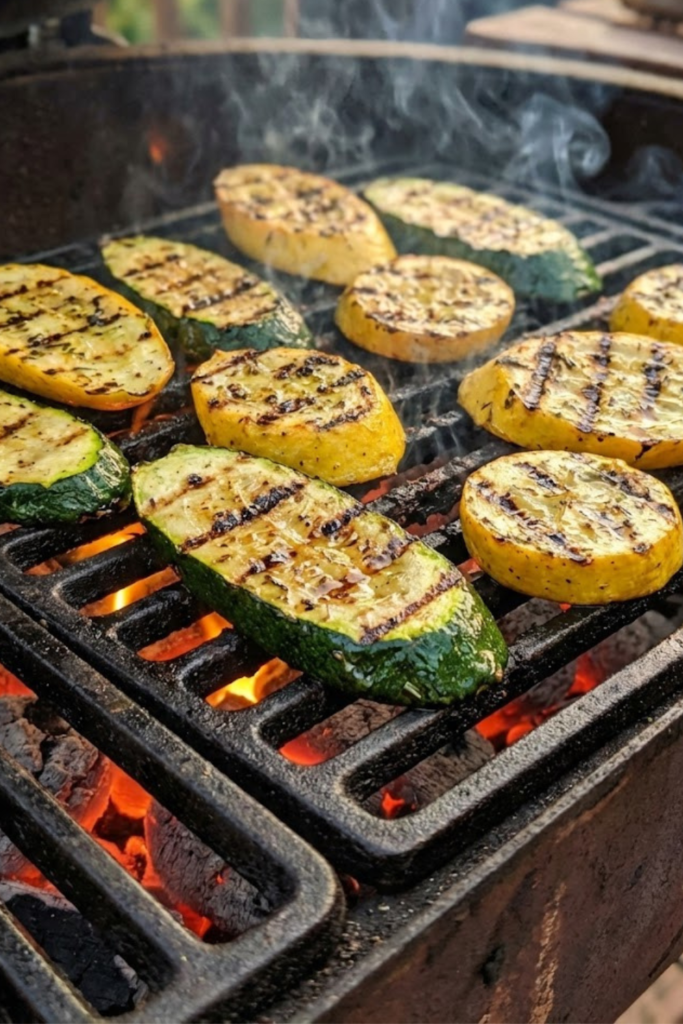
For grilling or roasting, I slice them lengthwise into long planks or spears. It gives you more surface area for those delicious grill marks, and they are way easier to flip. Just take the ends off and slice the whole thing into three or four long strips.
The Zoodle Craze
Okay, I admit I was late to the party on this one. I thought spiralizing was just a fad. But making “zoodles” (zucchini noodles) is actually kind of fun, and it’s a great way to trick yourself into eating fewer carbs. You don’t even need a fancy machine; a simple handheld julienne peeler works fine. Just watch your knuckles!
When you take the time to cut your zucchini and squash properly, the texture ends up perfect every time. No more burnt-on-the-outside, raw-on-the-inside disasters. Plus, it makes you look like you know what you’re doing, which is always a bonus.
Grilled Zucchini and Squash: The Perfect Summer Side
There is something about the smell of a grill firing up that just screams summer to me. But for the longest time, I was strictly a “burgers and dogs” kind of griller. I was actually terrified to put vegetables on there. I had this recurring nightmare that my zucchini and squash would stick to the grates or, worse, fall into the fiery abyss of the coals, never to be seen again.
And honestly? That fear was based on reality. The first time I tried grilling squash planks, I didn’t oil them enough. When I went to flip them, half the vegetable stayed stuck to the grill. It was a tragic, mangled mess. I ended up scraping it off and hiding the evidence before my guests arrived.
But once I got the hang of it, grilled veggies became my absolute favorite thing to make. The smoke flavor transforms them completely.
The Marinade Trap
Here is a lesson I learned the hard way: do not put fresh garlic on veggies that are going on the grill. I know, I know, we all love garlic. But fresh minced garlic burns in about two seconds over an open flame. You end up with these bitter, black specks that taste awful.
Instead, I use garlic powder. It gives you the flavor without the burnt bitterness. My go-to marinade is super simple. I toss the zucchini and squash slices in olive oil, plenty of salt, cracked black pepper, garlic powder, and maybe a little dried oregano. Let them sit for about 10 or 15 minutes. You don’t need hours. The veggies are like sponges; they drink it up fast.
Also, don’t be shy with the oil. These veggies are mostly water, and heat dries them out. The oil keeps them moist and helps get those beautiful char marks we all want.
Managing the Heat
If your grill is blazing hot like the surface of the sun, you are going to have a bad time. I used to crank it all the way up, thinking “faster is better.” Nope. The outside burns before the inside cooks.
You want medium-high heat. If you can hold your hand over the grate for about 3 or 4 seconds before it hurts, you are in the sweet spot. You want to hear a nice sizzle when the veggie hits the metal, but you don’t want immediate flames shooting up.
Basket vs. Direct Grates
This is the big debate. If you sliced your squash into coins (remember those form the last section?), you absolutely need a grill basket. Trying to flip 30 little rounds of squash on a hot grill is a recipe for a anxiety attack. A basket makes it easy—you just shake it around.
However, if you cut them into long planks, I say go right on the grates. You get better grill marks that way. Just lay them diagonal to the bars so they have plenty of support.
It’s All About Timing
Zucchini and squash cook fast. Like, really fast. We are talking maybe 3 to 4 minutes per side. You aren’t cooking a brisket here.
I keep a close eye on them. Once I see the edges starting to look a little translucent and I have nice grill marks on the bottom, I flip. If you cook them too long, they turn into mushy slime. You want them “tender-crisp”—cooked through but still with a little bite.
Sometimes I even take them off a minute early because they keep cooking on the plate. A squeeze of fresh lemon juice right when they come off the grill really wakes up the flavors. It cuts through the smoky taste perfectly. It’s such an easy side dish, but it tastes like you put in way more effort than you actually did.
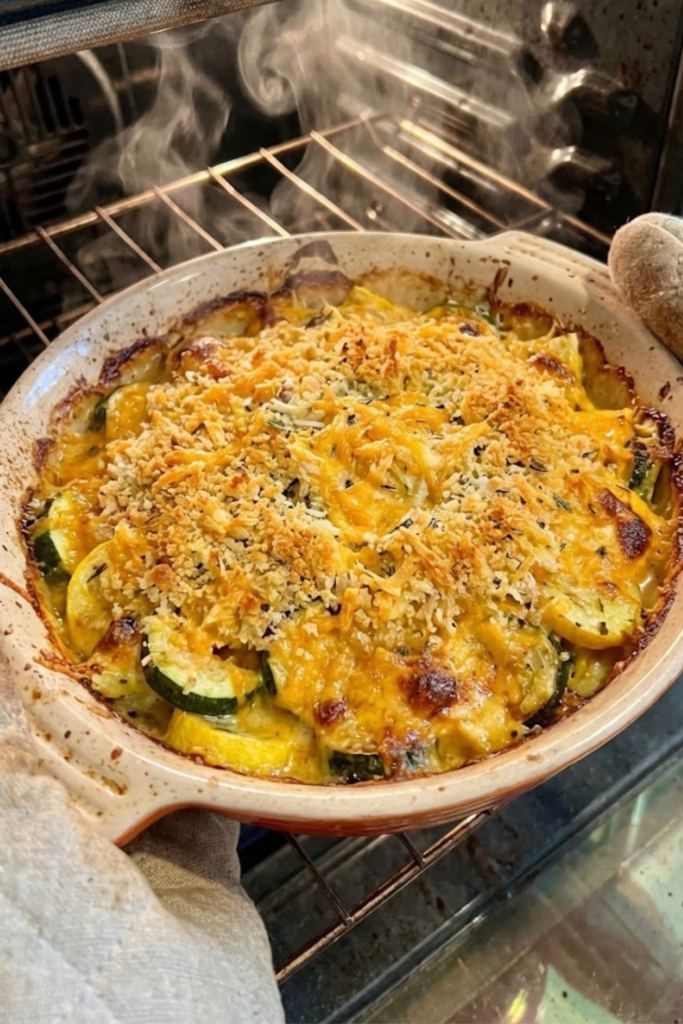
Baked Zucchini and Squash Casserole
I still remember the first time I brought a squash casserole to a church potluck. I was so proud of it, bubbling and golden brown on top. But when someone scooped into it, the whole thing was basically a vegetable soup disguised as a casserole. It was humiliating! I wanted to crawl under the table. That day, I vowed never to make a soggy casserole again.
If you have ever pulled a dish out of the oven only to find your zucchini and squash swimming in liquid, you know exactly what I’m talking about. It is the biggest frustration with these watery veggies. But don’t worry, I fixed my mistakes so you don’t have to make them.
The Secret Step You Can’t Skip
Here is the deal: you cannot just chop raw squash and throw it in a baking dish. Well, you can, but it will be gross. You have to get the water out before you bake.
I learned that you need to salt your slices. I slice my zucchini and squash, throw them in a colander, and sprinkle a generous amount of salt over them. Then, I let them sit for about 20 or 30 minutes. When you come back, you’ll see a puddle of water underneath. It’s crazy how much liquid comes out!
After they sit, I take a clean kitchen towel (or paper towels) and squeeze them dry. I mean really squeeze them. You might think you are squishing the life out of them, but you are actually saving your casserole. This step is a total pain, I know, but it is the difference between a delicious side dish and a watery mess.
Picking the Right Cheese
Now for the fun part: the cheese. Everything is better with cheese, right? I used to just use whatever bag of shredded cheddar was in the fridge. That works fine, but if you want to elevate things, you need to mix it up.
I’ve found that a mix of sharp cheddar and parmesan is unbeatable. The cheddar gives you that gooey melt, while the parmesan adds a salty kick that pairs perfectly with the zucchini and squash. If I’m feeling fancy, I’ll grab some Gruyère. It melts like a dream and has this nutty flavor that makes the dish taste way more expensive than it is.
The Crunch Factor
A casserole isn’t a casserole without a crunchy topping. It’s just the rules. For years, I did the classic Southern thing and crushed up a sleeve of buttery round crackers. It’s delicious, no doubt.
But lately, I’ve been loving Panko breadcrumbs. They stay crispier than regular breadcrumbs. I mix them with a little melted butter before sprinkling them on top. It creates this golden, shattering crust that contrasts so well with the soft, creamy veggies underneath. My kids fight over the corner pieces just for the extra crunch.
Layering Like a Pro
Don’t just dump everything in the bowl and stir. I mean, you can, but taking a second to layer helps it cook evenly. I like to do a layer of squash, a layer of cheese sauce, and then repeat.
This helps the cheese get into every nook and cranny. There is nothing sadder than a bite of plain squash with no cheese. By layering, you make sure every single bite is packed with flavor. It takes a little more patience, but hey, good food usually does.
This baked zucchini and squash casserole has become a staple on my table, especially during the holidays. It’s comforting, cheesy, and finally—thank goodness—not watery!
Sautéed Zucchini and Squash with Garlic and Herbs
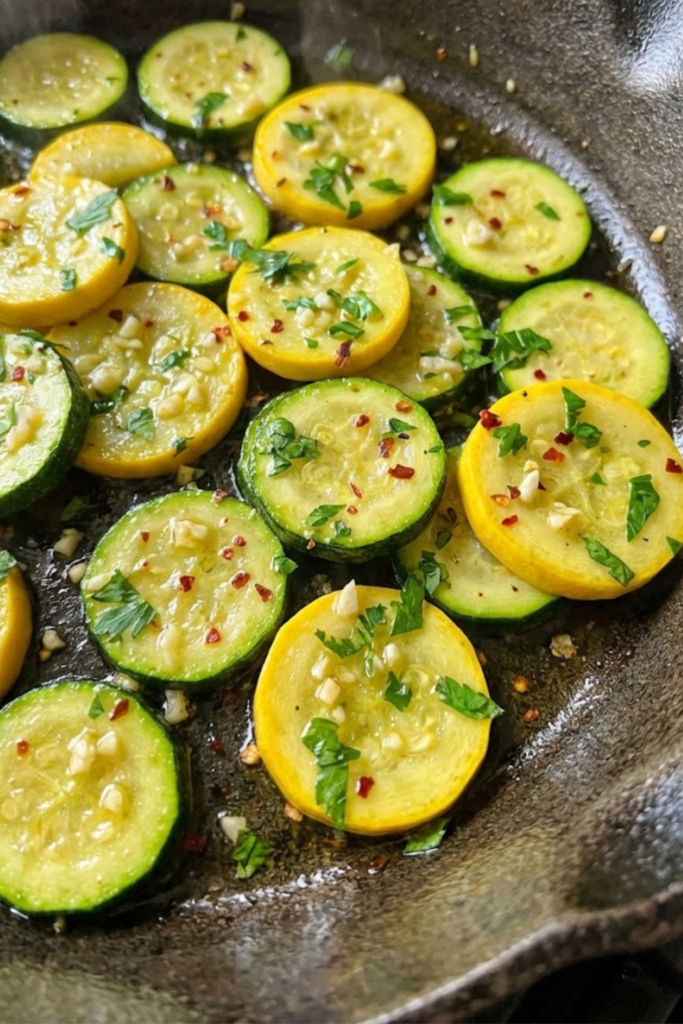
For years, my sautéed veggies were just… okay. They were edible, sure, but they were usually kind of pale and limp. I couldn’t figure out why restaurant veggies always had that nice brown crust and crisp bite while mine looked like they’d been steamed in a sauna. It drove me nuts! I blamed the vegetables, the stove, the humidity—basically everything except my own technique.
It turns out, I was breaking every rule in the book. Once I fixed a few simple things, my sautéed zucchini and squash went from “meh” to the star of the dinner plate.
Ditch the Non-Stick (Sometimes)
I used to cook everything in non-stick pans because, well, I hate doing dishes. Scrubbing is the worst. But here is the thing: non-stick pans aren’t great for getting a good sear. They are too slippery!
If you want that golden-brown color, you really need to use a cast-iron skillet or a wide stainless steel pan. The metal gets hotter and holds the heat better. When I finally switched to my heavy cast iron, the difference was night and day. The veggies actually caramelized instead of just sweating.
Oil First, Butter Later
We all know butter tastes better. I mean, it’s butter. But if you start with butter on high heat, it burns before the veggies are done. I learned that the hard way when my kitchen filled with smoke one Tuesday night.
Now, I start with a good glug of olive oil or avocado oil to get the cooking going. These oils can handle the heat. Then, right at the very end when I turn off the heat, I toss in a little knob of butter. It melts over the zucchini and squash, giving you that rich flavor without the burnt taste. It’s a total cheat code.
The “Crowded Elevator” Problem
This was my biggest mistake. I used to dump all the sliced veggies into the pan at once because I was in a rush. Big mistake. When you crowd the pan, the vegetables release water, and since there is no room for the steam to escape, they just boil in their own juices.
You have to give them personal space! I cook in batches now. It takes a few extra minutes, but it is so worth it. You want a single layer of veggies touching the bottom of the pan. If you hear a sizzle, you are doing it right. If it goes quiet, you’ve got too much in there.
Timing the Garlic and Herbs
If you throw minced garlic in at the beginning with the veggies, it will burn. Burnt garlic is bitter and ruins the whole dish. I always add the garlic in the last 60 seconds of cooking. You just want it to become fragrant.
Same goes for fresh herbs like basil or parsley. Heat kills their flavor. I chop them up and sprinkle them on after I take the pan off the burner. A little squeeze of fresh lemon juice right at the end really makes the flavors pop, too. It cuts through the oil and makes everything taste bright and fresh. Seriously, don’t skip the lemon!
By following these little tweaks, you get zucchini and squash that are tender but still have a bite, with actual flavor instead of just mush. It is a simple side dish, but it feels fancy when you get it right.
So, there you have it! Mastering zucchini and squash isn’t rocket science, but a few little tricks make all the difference between “meh” veggies and a side dish everyone fights over. Whether you grill them up for a BBQ or bake them into a cheesy comfort meal, these vegetables are absolute staples.
I really hope these tips help you look at that pile of summer produce a little differently. It is amazing what a little high heat and the right seasoning can do. No more soggy messes, okay? We are done with that! Give these methods a try and let me know which one is your favorite!