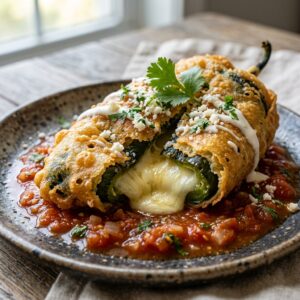
Listen, I used to think the only place to get decent wings was that famous chain down the street. I was wrong! There is nothing—and I mean nothing—more heartbreaking than biting into a homemade wing and getting a mouthful of soggy skin. It’s a culinary tragedy. But after ruining more batches than I care to admit, I finally cracked the code.
Did you know that Americans consume over 1.4 billion wings during the Super Bowl alone? That’s a lot of poultry. Today, I’m not just sharing a recipe; I’m sharing my “no-soggy-skin” guarantee. Whether you are using an air fryer or your trusty oven, we are going to get that restaurant-quality crunch with that tangy, buttery kick you crave. Let’s get cooking!
The Secret to Crispy Skin (Prep Work)
I have to be honest with you guys, my first attempt at making wings was a total flop. I invited a bunch of friends over for a game night, hyped up my cooking, and then served them what basically amounted to boiled chicken. The skin was rubbery, the flavor slid right off, and I wanted to crawl under the table. It was embarrassing. But, being the stubborn person I am, I refused to let poultry defeat me. I spent the next year obsessively testing methods until I found what actually works.
If you want crispy chicken skin that sounds like a potato chip when you bite it, you can’t just throw raw wings in the heat. You have to prep them right.
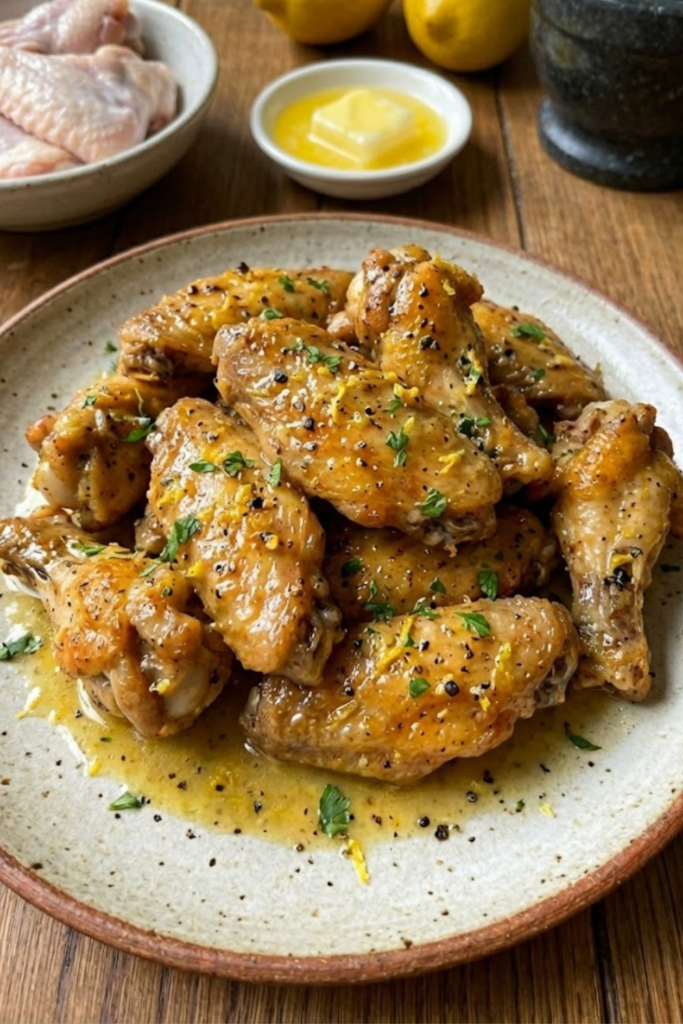
The Paper Towel Method
Moisture is the absolute enemy of crispiness. If your wings are wet when they hit the heat, they steam instead of roast. I used to just give them a quick pat, but that’s not enough. You need to grab a handful of paper towels and really get in there.
Dry every single crevice of the wing. I’m talking about squeezing them until the paper towel comes away dry. It takes a few extra minutes, but trust me, skipping this is why your homemade wing sauce slides right off later.
The Baking Powder Hack
This is the holy grail. I learned this trick a few years back and it blew my mind. You need to toss your dried wings in aluminum-free baking powder. Note that I said baking powder, not baking soda. I made the mistake of grabbing the baking soda once because I was in a rush.
Let me tell you, that was a mistake I will never make again. The wings tasted like metallic soap. It was gross. But baking powder? It changes the pH level of the skin, which helps break down the peptide bonds. This allows the skin to get insanely bubbly and crunchy in the oven or air fryer basket. Use about one teaspoon per pound of wings.
The Fridge Dry (The “Air Cure”)
If you have the time, this step is a game-changer. After I pat them dry and toss them in the baking powder and salt mixture, I put them on a wire rack baking sheet. Then, I shove them in the fridge uncovered.
Leave them there for at least an hour, or overnight if you’re organized (I’m usually not). The cold air circulates around the chicken and dries out the skin even more. It mimics the drying process of deep fried wings without the oily mess.
Let Them Warm Up
Here is where I usually get impatient. When you pull the wings out of the fridge, don’t cook them immediately. Cold meat cooks unevenly. I usually let them sit on the counter for about 15 minutes while I preheat the oven or get my air fryer recipes ready. It helps the chicken cook through to the perfect internal temperature without burning the outside.
It seems like a lot of work just for wings, I know. But once you hear that crunch, you’ll get it.
Homemade vs. Store-Bought Seasoning
You know, for the longest time, I was addicted to that little yellow shaker you find in the spice aisle. It was my go-to for everything. I’d sprinkle it on chicken, fish, popcorn—you name it. But then one day, I actually looked at the label. The first ingredient was salt. Just salt! The “lemon” was barely even there. I felt a bit cheated, honestly. I realized I was basically just over-salting my dinner and pretending it was fancy.
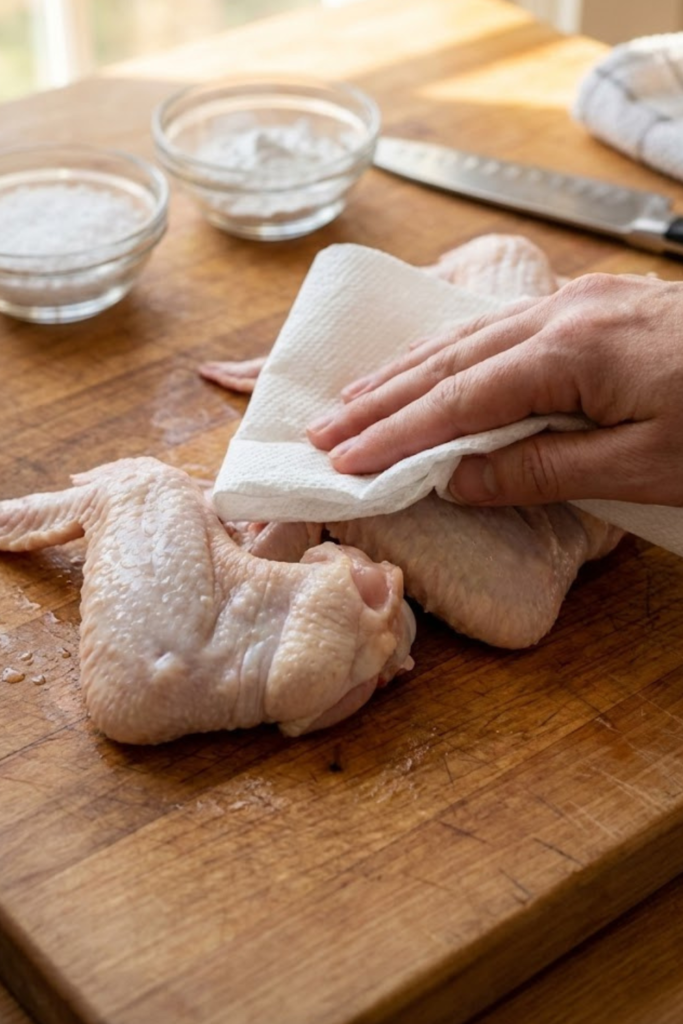
That was the moment I decided to ditch the pre-made stuff. If you want lemon pepper seasoning that actually tastes like citrus, you have to make it yourself. It’s annoying to do the extra work, I get it. But the payoff is huge.
The Ingredient List
The biggest difference is the zest. Store-bought stuff uses dried lemon peel that’s been sitting in a warehouse since who knows when. It tastes kinda dusty. When you use fresh lemon zest, the oils pop. It smells like a summer day in your kitchen.
I recommend zesting about three lemons for a good batch. It’s tedious, and I always end up scraping my knuckles on the grater (ouch). But those essential oils are what give you that citrus glaze flavor without the artificial aftertaste.
Black Pepper Grinds
Here is another thing I messed up early on. I used that fine, powdery pepper that makes you sneeze instantly. It’s too spicy without enough flavor. You really need cracked black pepper.
Get whole peppercorns and crush them yourself if you can. Or just buy the coarse grind. The texture adds a nice little crunch to the chicken drumettes that you just don’t get with the powder. Plus, it looks way better in photos if you’re into food photography like I am trying to be.
Controlling the Salt
This is the main reason I switched. Those shakers are salt bombs. By mixing your own rub, you can control the sodium. I like to use a mix of kosher salt, garlic powder, and onion powder to round out the flavor profile.
This way, you can coat the wings heavily without waking up the next day feeling puffy and dehydrated. It’s a healthier swap that doesn’t sacrifice taste.
The Wet vs. Dry Rub
This is a huge debate in the wing world. Do you season before cooking or after? Personally, I do both. I use a dry rub of salt and baking powder to get them crispy, but the real flavor comes from the wet sauce at the end.
Some people swear by dry rub wings where the lemon pepper is cooked onto the skin. It’s okay, but I find the lemon flavor burns off in the high heat of the oven or air fryer basket. I prefer to toss them in a buttery, lemony sauce right before serving. It keeps the flavor bright and punchy.
Cooking Methods: Air Fryer vs. Oven Baked
I resisted buying an air fryer for years. I honestly thought it was just another gimmicky gadget that would collect dust next to my juicer. My counter space is limited, and I didn’t want the clutter. But then my sister gifted me one for my birthday, and I finally caved. I’m not being dramatic when I say it changed my life. However, I still have a soft spot for the oven when I need to feed a crowd.
There is no “right” way to cook wings, but there are definitely different results. Here is what I have learned from my many experiments in the kitchen.
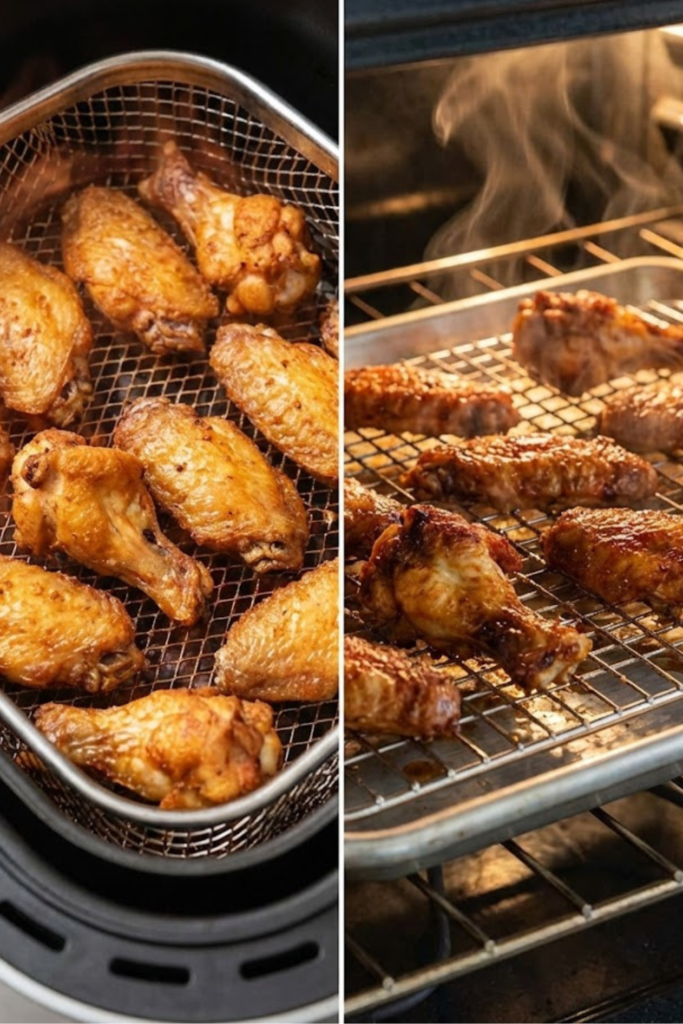
Air Fryer Instructions
If you are cooking for just yourself or maybe one other person, the air fryer is king. It is faster and gets the skin crispier than the oven ever could. I usually set mine to 400°F. You want high heat to render that fat quickly.
The trick is not to crowd the air fryer basket. I made this mistake once, stacking them on top of each other because I was hungry and impatient. They ended up steaming and came out soggy. Gross. You have to lay them in a single layer. Also, shake the basket every 10 minutes. It helps them brown evenly so you don’t get one pale side and one burnt side.
Oven Baked Method
Now, if it’s Super Bowl Sunday and you have 10 hungry people staring at you, the air fryer isn’t gonna cut it. You need the oven. The secret weapon here is wire rack baking.
Do not put the wings directly on the baking sheet! They will sit in their own grease and get flabby. Place a wire rack over a foil-lined sheet so the hot air can circulate underneath. I usually roast them at 400°F or even 425°F. It takes a bit longer, maybe 45 minutes, but it’s worth it for baked chicken wings that actually have a crunch.
Deep Frying Option
Sometimes, you just want the real deal. On days when I don’t care about the mess (or the calories), I pull out the Dutch oven and fill it with oil. Deep fried wings are just superior in texture; that is a fact.
You want your oil at 375°F. If it’s too cold, the chicken soaks up the grease. If it’s too hot, the skin burns before the meat is done. I use a candy thermometer to keep an eye on it. It’s messy and your house will smell like a fast food joint for a day, but for a special treat, it is unbeatable.
Internal Temperature
Please, for the love of food safety, use a meat thermometer. I used to just cut into a wing to check, but that lets all the juices run out.
Technically, chicken is safe at 165°F. But here is a little pro tip: I actually take my wings to 175°F or even 180°F. Unlike breast meat, wings have a lot of connective tissue. That higher internal temperature breaks down the collagen, making the meat fall-off-the-bone tender. If you pull them right at 165°F, they can be a little tough. Trust me on this one.
The Zesty Lemon Pepper Butter Sauce
I used to think the sauce was the easy part. I mean, it’s just butter and spices, right? Wrong. My early attempts resulted in greasy, broken sauces that made my crispy wings soggy in about thirty seconds. It was heartbreaking to watch all that hard work go down the drain. I finally realized that making a homemade wing sauce is actually a bit of a science.
You want that restaurant-style gloss, not a puddle of oil. Here is how I finally figured out how to get that perfect coating that sticks to the meat.
Butter Basics
First things first: put down the margarine. You need the real stuff here. I always reach for high-quality unsalted butter. I know, I know, salt equals flavor. But remember, we already salted the chicken during the prep, and we are adding lemon pepper (which usually has salt).
If you use salted butter, you risk the wings becoming inedible. I made that mistake once and had to chug a gallon of water afterwards. Using unsalted butter lets you control the flavor profile so it doesn’t get out of hand.
Clarified Butter
This is the secret restaurant trick I wish I knew sooner. Have you ever melted butter and seen those weird white solids floating at the bottom? That is milk goodness, but it makes your sauce look cloudy and can make the wings soft.
I started using clarified butter—or just buying a jar of ghee—and it changed everything. Ghee recipes are great because the water content is removed. This means your sauce is pure fat and flavor, which keeps the skin crispy longer. If you don’t have ghee, just melt your butter slowly and skim the foam off the top. It takes five minutes and makes a huge difference.
Infusing Flavor
Here is where most people mess up. They melt the butter and then just stir in the cold spices. It’s okay, but it’s not great. To really get that punchy flavor, you need to “bloom” the spices.
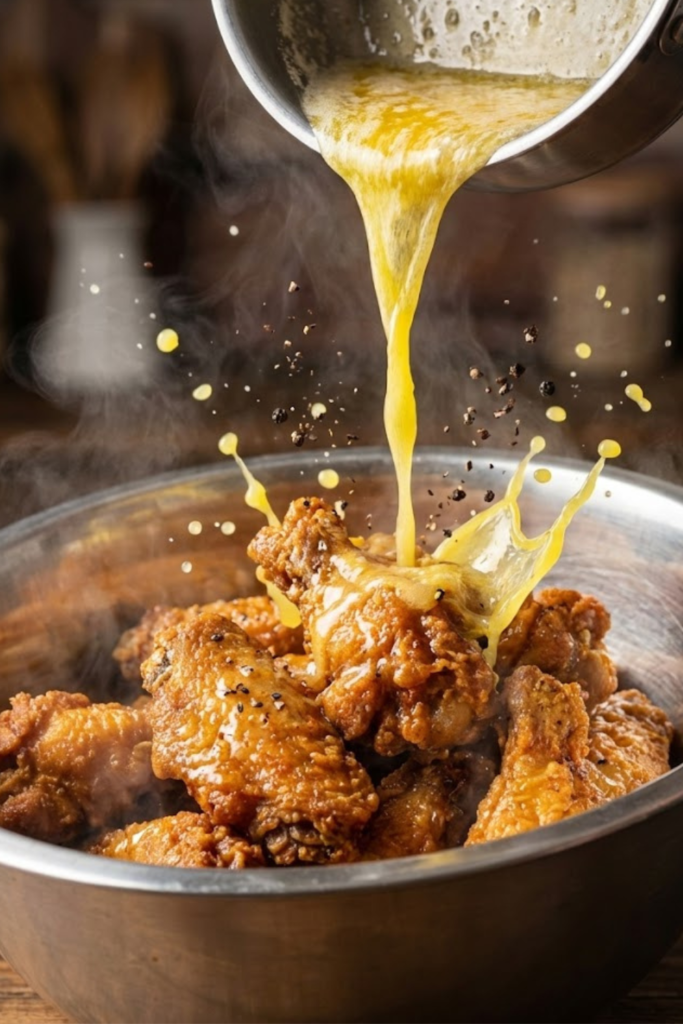
I throw my lemon pepper seasoning and a little extra lemon zest into the pan while the butter is hot. Let it bubble for about 30 seconds. You will smell it immediately. The heat wakes up the oils in the pepper and citrus. It turns a boring butter mixture into a legitimate citrus glaze. Just don’t burn it; garlic powder turns bitter fast if you aren’t watching.
The Toss
The timing of the toss is critical. Do not—I repeat, do not—toss the wings while the sauce is boiling hot. It will steam the skin. I let the butter cool down for a minute or two.
Then, I put the wings in a big metal bowl, pour the sauce down the sides (not directly on top), and give it a quick flip. You want a light coating, not a bath. Serve them immediately. If they sit in the bowl, they turn into a soggy mess, and nobody wants that.
Serving Suggestions and Sides
I remember the first time I hosted a Super Bowl party in my tiny apartment. I spent hours making these incredible wings, but I completely forgot about the sides. I just put a big platter of meat on the table. My friends ate them, sure, but after about ten minutes, everyone was looking around for something else to nibble on. It was a rookie mistake. You can’t just serve protein and call it a day; you need balance.
If you want to turn a snack into a meal—or at least a spread that keeps people happy—you have to think about what pairs well with that citrusy, peppery kick.
Dipping Sauces
This is where friendships are tested. Are you team ranch or team blue cheese? Personally, I think lemon pepper wings need something creamy to cut through the acidity of the lemon.
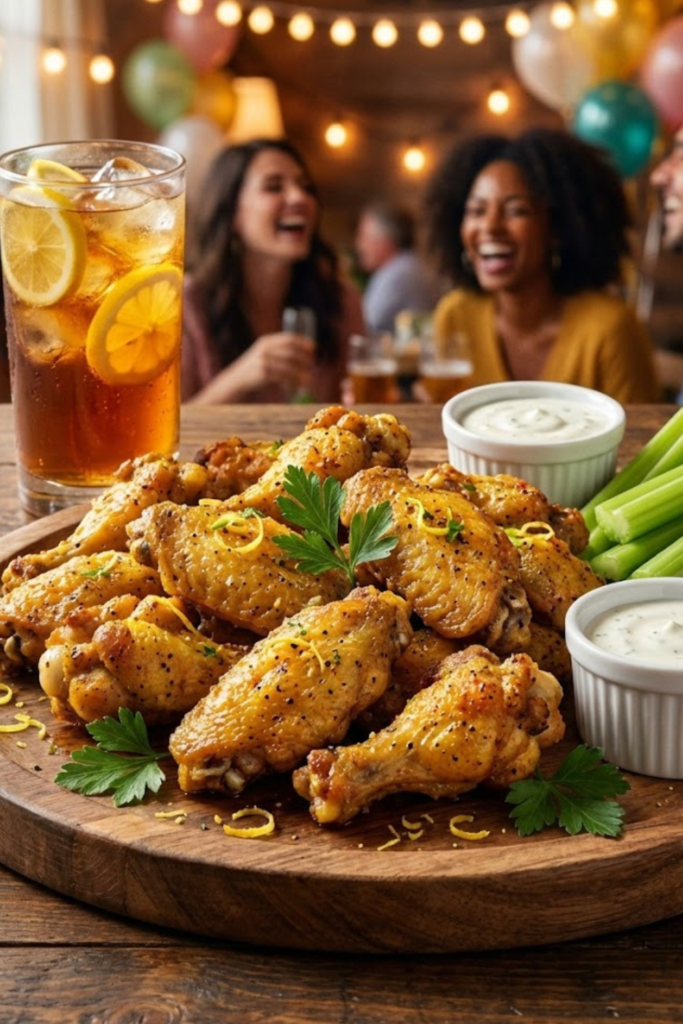
I usually put out a bowl of ranch dipping sauce for the normal people and blue cheese dressing for the adventurous ones. The cool, milky flavor of the ranch calms down the spice from the black pepper perfectly. I used to buy the cheap bottled stuff, but honestly, making it from a packet with buttermilk tastes way better. It’s thicker and clings to the wing better.
Vegetable Sticks
I used to think celery was just a garnish that nobody actually ate. It felt like a waste of fridge space. But then I realized that after eating five or six salty, buttery wings, your mouth kind of needs a reset.
Fresh celery sticks and carrot sticks provide that necessary crunch and water content. It’s a palate cleanser. Plus, it makes the plate look like you tried harder than you actually did. I cut them myself now because the pre-cut ones at the store always taste a little slimy to me. It’s annoying to chop them, but it’s worth it for the snap.
Carb Pairings
If you are serving this for dinner and not just as game day appetizers, you need some carbs. Wings are great, but they don’t exactly fill you up for long. My absolute favorite pairing is mac and cheese.
The creaminess of the cheese sauce goes so well with the sharp lemon flavor. If I’m feeling lazy (which is often), I’ll just throw some frozen fries in the oven. But if I really want to impress, roasted potatoes with rosemary are a solid choice. They soak up any extra butter sauce on the plate, which is honestly the best part.
Drink Pairings
You need something cold and crisp to wash this down. Since lemon pepper seasoning is pretty zesty, stay away from heavy, dark drinks that will clash with the citrus.
I usually go with a light lager or a pilsner if we are talking beer. If you don’t drink alcohol, a massive glass of iced tea with extra lemon slices is unbeatable. The tannins in the tea clean off your tongue so you are ready for the next bite. It’s a classic southern combo for a reason.
I honestly used to think making restaurant-quality food at home was a myth, but after eating way too much soggy chicken, I realized it really comes down to the details. Making these lemon pepper wings isn’t hard, but you have to respect the prep work—specifically drying the meat and blooming your spices—to get that crispy chicken skin without a deep fryer. Don’t stress if your first batch isn’t perfect; cooking is just tasty trial and error, and the triumph of that first golden-brown bite is totally worth the messy kitchen. Do yourself a favor and pin this recipe to your “Best Appetizers” board on Pinterest so you can find this secret to the perfect crunch whenever the craving hits!