Have you ever craved a slice of homemade cake but hesitated because you didn’t want a massive 9-inch round staring you down from the counter for a week? I know I have! In fact, recent baking trends show a huge spike in “small batch baking” because let’s be honest—sometimes you just need a treat for two (or just you, no judgment!).
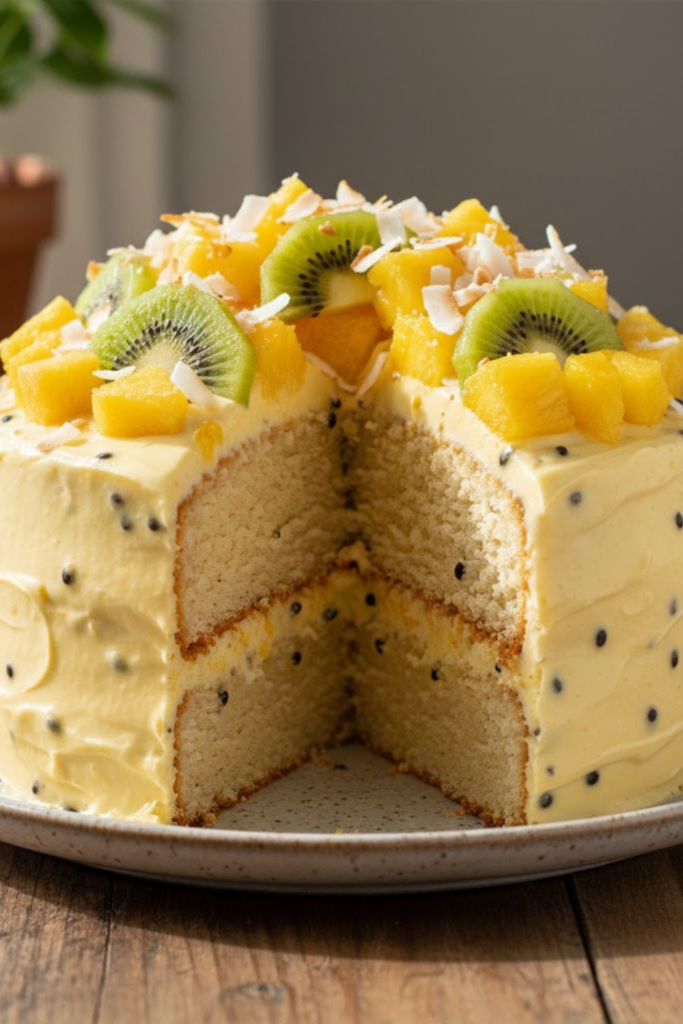
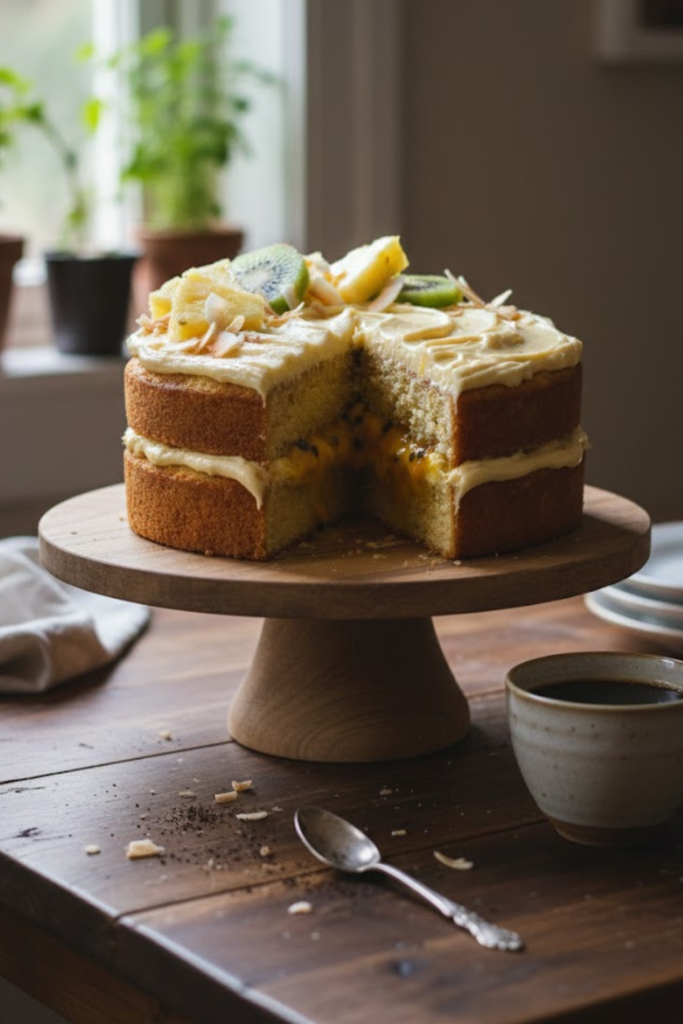
In this guide, we are diving deep into the world of 6 inch cake recipes. These mini marvels are not just cute; they are practical, ingredients-saving, and absolutely delicious. Whether you are baking for a smash cake photo shoot or a quiet anniversary dinner, I’ve got you covered with tips, tricks, and the fluffiest textures you can imagine. Let’s get baking!
Why Bake a 6 Inch Cake? The Benefits of Small Batch Baking
Look, I’ll be the first to admit it. I used to have a serious problem with over-baking. I would whip up a massive, three-layer 9-inch cake just because it was a random Tuesday and I was stressed about work. The result? My partner and I would eat two slices, feel great for about twenty minutes, and then that giant cake would just sit on the counter. It would stare at us. Judging us.
By Friday, I’d be tossing stale, dry cake into the trash. It broke my heart every single time.
That was until I discovered the magic of 6 inch cake recipes. Honestly, it was a total game changer for my kitchen routine. Switching to small batch baking didn’t just save my waistline; it brought the fun back into baking without the looming guilt of food waste. If you are on the fence about buying those smaller pans, let me tell you why you absolutely should.
Finally, Real Portion Control
We all say we want just “a little bite,” right? But with a standard cake, a “little bite” turns into a slab the size of a brick. A 6-inch cake is different. It typically yields about 4 to 6 generous slices. That is it.
It is the perfect amount for:
- A small family dessert after Sunday dinner.
- A couple celebrating an anniversary.
- A smash cake for a toddler (where half ends up on the floor anyway).
I remember the first time I made a 6-inch vanilla bean sponge. We finished it in two days. No leftovers drying out, no guilt about throwing away food. It felt like a victory. You get to satisfy that sweet tooth craving, and then you move on.
Your Wallet Will Thank You
Have you seen the price of butter lately? Yikes. Baking big cakes is expensive! A standard recipe might call for three or four sticks of butter and half a carton of eggs. When you mess that up, it hurts.
With 6 inch cake recipes, you are cutting those ingredients down significantly. Usually, you only need:
- 1 stick of butter (or less).
- 1 or 2 eggs.
- About 1.5 cups of flour.
This ingredient efficiency means I can bake high-quality desserts more often without blowing my grocery budget. I can splurge on the fancy chocolate or the real vanilla paste because I’m using so much less of it per bake.
Low-Stakes Experimentation
Here is a secret: I mess up recipes. A lot. I once tried to make a “Savory Basil and Strawberry” cake. Sounds fancy, right? It tasted like salad dressing on a sponge. It was awful.
If I had made a 9-inch version of that disaster, I would have wasted so much money and time. But because it was a small batch, I just laughed it off and pitched it. Small batch baking gives you the freedom to get weird. Want to try a lavender-earl grey combo? Do it in a 6-inch pan. If it flops, you haven’t lost much. But if it works? You are a genius.
It takes the pressure off. You aren’t baking for a wedding; you’re baking for the joy of it. Plus, because there is less batter volume, these little guys bake faster. You are in and out of the kitchen quicker, which leaves more time for the important stuff—like eating the frosting straight off the spoon.
Essential Equipment for Baking Perfect 6 Inch Cakes
I used to think I could just “wing it” by pouring a standard recipe into a smaller pan and hoping for the best. Big mistake! My first attempt at a small batch bake ended with batter overflowing onto the bottom of my oven, creating a smoky mess that smelled like burnt sugar for a week. It turns out, having the right tools is half the battle when you’re working with these cute little bakes.
The Pan is the Hero
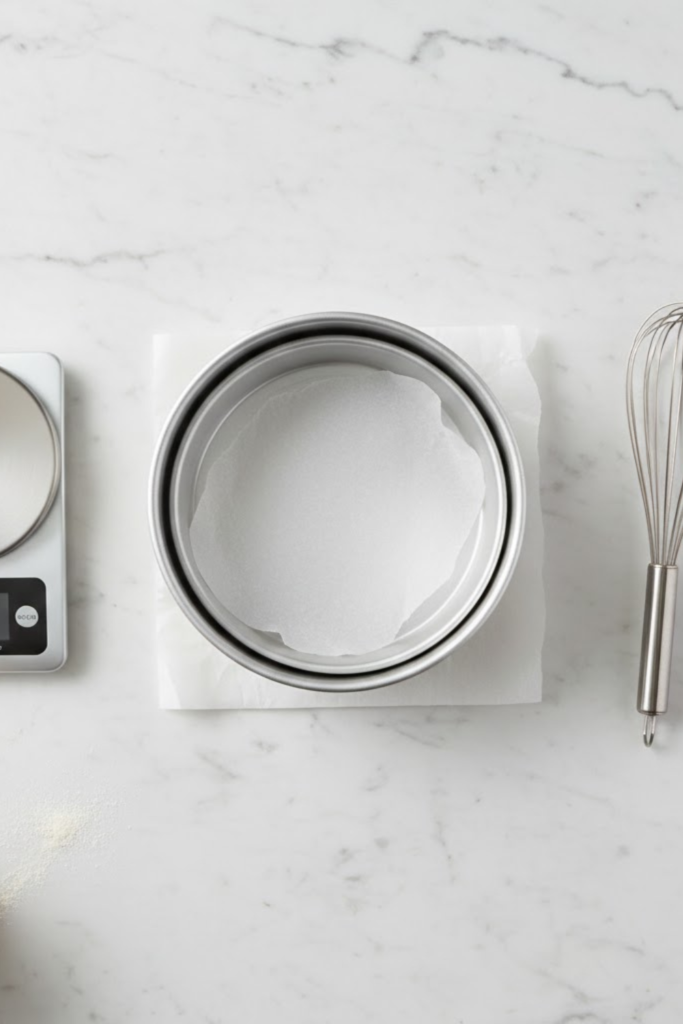
You might think any small pot or pan will do, but you really need a dedicated 6-inch round cake pan. I prefer the aluminum ones with straight sides because they help the cake climb evenly. Don’t even bother with those cheap, thin pans from the dollar store; they hot-spot like crazy and you’ll end up with a burnt bottom and a raw middle.
Measuring for Precision
When you’re scaling down recipes, every gram counts. I stopped using measuring cups years ago after I realized my “cup” of flour was actually 20 grams heavier than it should be. Get yourself a digital kitchen scale. It is way easier to measure 75 grams of egg (yes, sometimes you have to whisk an egg and weigh it!) than trying to figure out what “three-quarters of a large egg” looks like.
Mixing and Prep Tools
Since we are dealing with smaller volumes of batter, my giant stand mixer sometimes feels like overkill. The whisk doesn’t even reach the bottom of the bowl half the time! I usually reach for a sturdy handheld mixer or just a good old-fashioned whisk and some elbow grease.
Also, please, I’m begging you—use parchment paper. I once lost the entire bottom half of a beautiful lemon sponge because I thought “greasing the pan” was enough. Now, I always trace my pan onto a sheet of parchment and cut out a perfect circle. It’s a total lifesaver for ensuring that cake pops out clean every single time.
Classic Vanilla 6 Inch Cake Recipe (The Base Recipe)
I remember the first time I tried to scale down my grandma’s famous vanilla cake. I thought I could just divide everything by three and call it a day. Total disaster! The middle was like a gummy bear and the edges were like a biscuit. It took me about four tries—and a lot of frustrated dishwashing—to get the ratios for a 6 inch cake just right.
Getting the Ratios Right
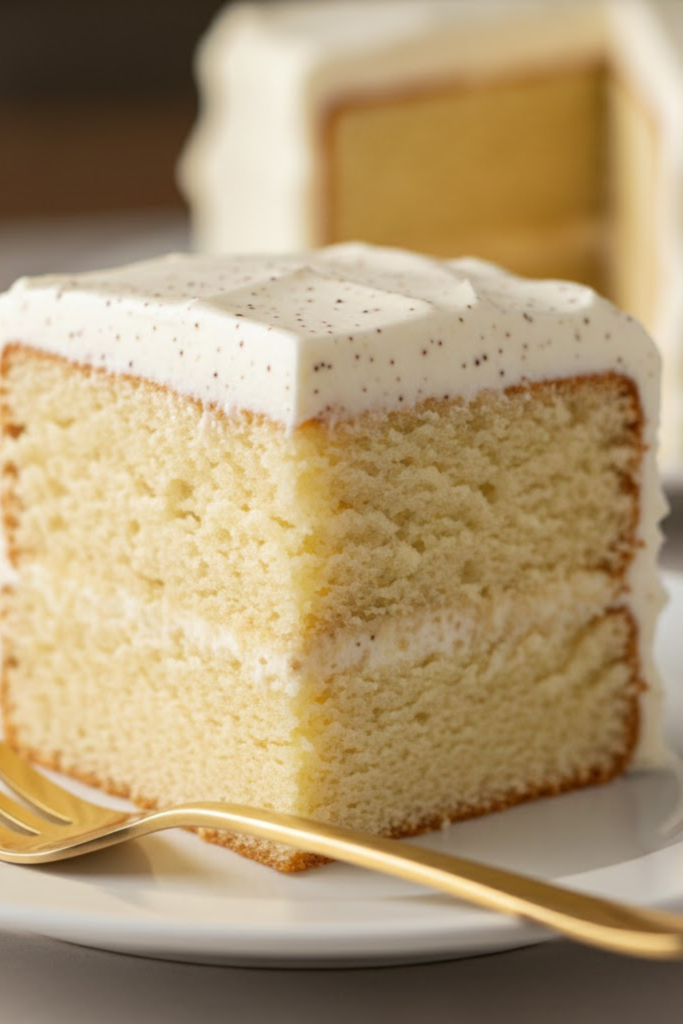
To get that perfect moist crumb in a smaller pan, you need to be precise. This recipe uses about 1.5 cups of flour and just one large egg, which feels weird when you’re used to cracking a whole carton. I highly suggest using room temperature ingredients because cold butter will make your batter look like curdled milk.
- The Flour: Use cake flour if you want it extra fancy, but all-purpose works fine too.
- The Fat: I use a mix of butter for flavor and a splash of oil for moisture.
- The Liquid: Whole milk is my go-to, but a little sour cream makes it super velvety.
The “Reverse Creaming” Trick
One thing I learned the hard way is that small cakes dome like crazy if you over-mix them. Now, I use the “reverse creaming” method where you mix the butter directly into the dry ingredients. It sounds backwards, I know! But it coats the flour in fat and prevents too much gluten from forming, which gives you a flat top and a tender bite.
Baking and Cooling
Don’t trust your oven’s timer blindly. Since these pans are small, the heat hits the center much faster than a big pan. I usually start checking for doneness with a toothpick about 5 minutes before the recipe says it should be done.
Once it’s out, let it sit in the pan for exactly ten minutes. If you wait too long, the steam makes the bottom soggy; if you don’t wait long enough, the cake will crumble in your hands. I’ve definitely had a few “floor cakes” because I was too impatient to let them cool properly!
Decadent Chocolate 6 Inch Cake for Chocolate Lovers
If there is one thing I’ve learned in my years of baking, it’s that chocolate cake is a serious business. I once tried to make a “healthy” version of a chocolate 6-inch cake using applesauce and no sugar for a friend’s birthday. It was a tragedy. It looked like a chocolate cake, but it tasted like sadness and cardboard. Since then, I’ve stuck to the real deal because when you are making a small cake, every bite has to be a total win.
The Secret to Deep Flavor
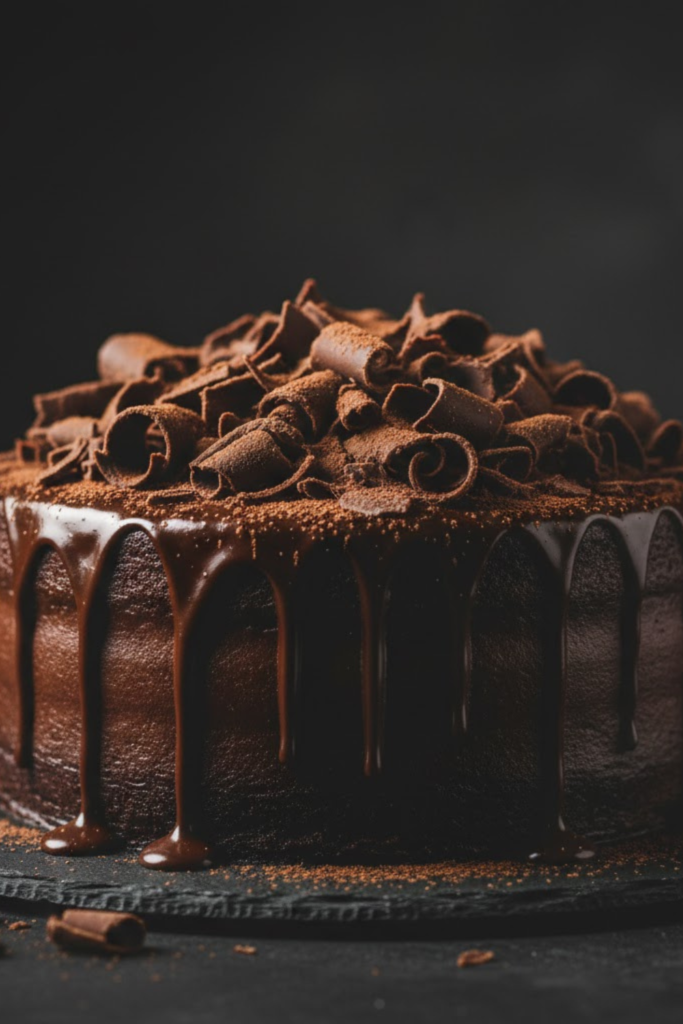
Most people just toss in some cocoa powder and call it a day, but I found out through trial and error—and one very messy kitchen explosion—that you have to “bloom” your cocoa. I always mix my cocoa powder with a little bit of hot coffee before adding it to the batter. You won’t actually taste the coffee, I promise! It just makes the chocolate taste more like… well, chocolate.
Why Oil Beats Butter Here
I’m a huge fan of butter for vanilla cakes, but for 6 inch cake recipes in the chocolate realm, oil is actually your best friend. I remember being so stubborn about only using butter because it felt more “gourmet.” But butter cakes can get a bit dry and firm when they’re small. Oil keeps the sponge incredibly moist and springy, even if you keep it in the fridge overnight. Plus, it’s way easier to mix by hand when you don’t feel like lugging out the heavy equipment.
Helpful Tips for Chocolate Success
- Choose the Right Cocoa: I personally love Dutch-process cocoa for that dark, Oreo-like color, but make sure your recipe doesn’t specifically require the acidity of natural cocoa to rise.
- Don’t Overbake: Chocolate cake is notorious for looking “wet” even when it’s done; if you wait until the toothpick is bone-dry, you’ve probably gone too far.
- Ganache is King: Since the cake is small, a heavy buttercream can sometimes overwhelm it. A simple chocolate ganache drip is much easier to manage and looks super professional.
I’ve definitely had moments where I forgot to grease the pan properly with chocolate batter, and half the cake stayed stuck to the bottom. Now, I always dust the pan with cocoa powder instead of flour so you don’t get those weird white streaks on your beautiful dark cake.
Creative Flavor Variations for Your 6 Inch Cake
I used to be such a purist, thinking that if it wasn’t vanilla or chocolate, it wasn’t worth the effort. Boy, was I wrong! One summer, I had a pile of raspberries that were about to go bad and a single lemon rolling around my fridge, so I decided to experiment with a tiny 6 inch cake. It ended up being the best thing I’d ever baked! Now, I love playing around with flavors because the small size means I’m never stuck with a giant “failed” cake if a combo doesn’t work out.
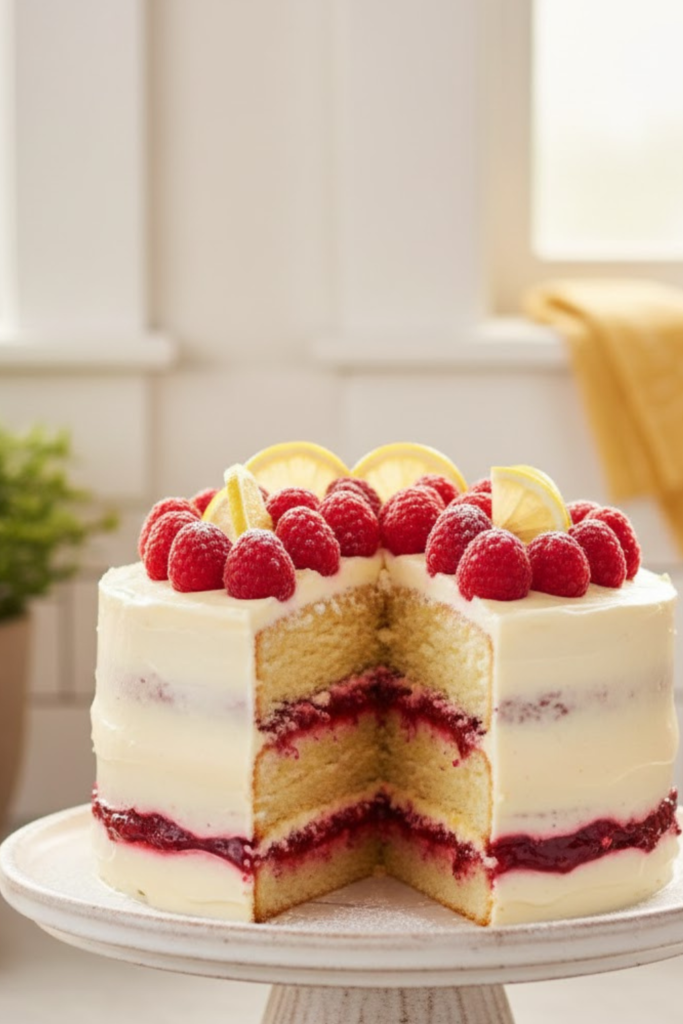
Zesty Lemon Raspberry
This is my absolute favorite for spring. I’ve learned that the trick is to use both lemon juice and plenty of fresh zest in the batter to get that punchy flavor.
- The Filling: Don’t just toss whole berries in the batter; they can sink and make the bottom soggy.
- The Pro Move: I like to make a quick raspberry jam reduction and swirl it in or use it as a thin layer between the sponges.
Red Velvet (The Small Version)
Red velvet can be tricky when you’re scaling it down. I once used way too much food coloring in a small batch, and it ended up looking like a science experiment gone wrong!
- The Texture: You really need that tiny bit of vinegar and buttermilk to get the chemical reaction that makes it “velvety”.
- The Frosting: A tangy cream cheese frosting is non-negotiable here.
Funfetti and Celebrations
If you’re baking a birthday cake for one or two people, sprinkles are a must! I always use jimmies (the long ones) because the tiny nonpareil balls tend to bleed and turn your whole cake a weird gray color.
- The Mix-in: Fold them in at the very last second so the color stays sharp.
- The Vibe: It’s impossible to be sad when you’re eating a tiny cake covered in sprinkles.
I’ve had my fair share of flops—like the time I added way too much lavender and it tasted like eating a bar of soap—but that’s the beauty of these 6 inch cake recipes. You just learn from the mistake, grab a fresh egg, and try again tomorrow!
Decorating Tips for Small Scale Cakes
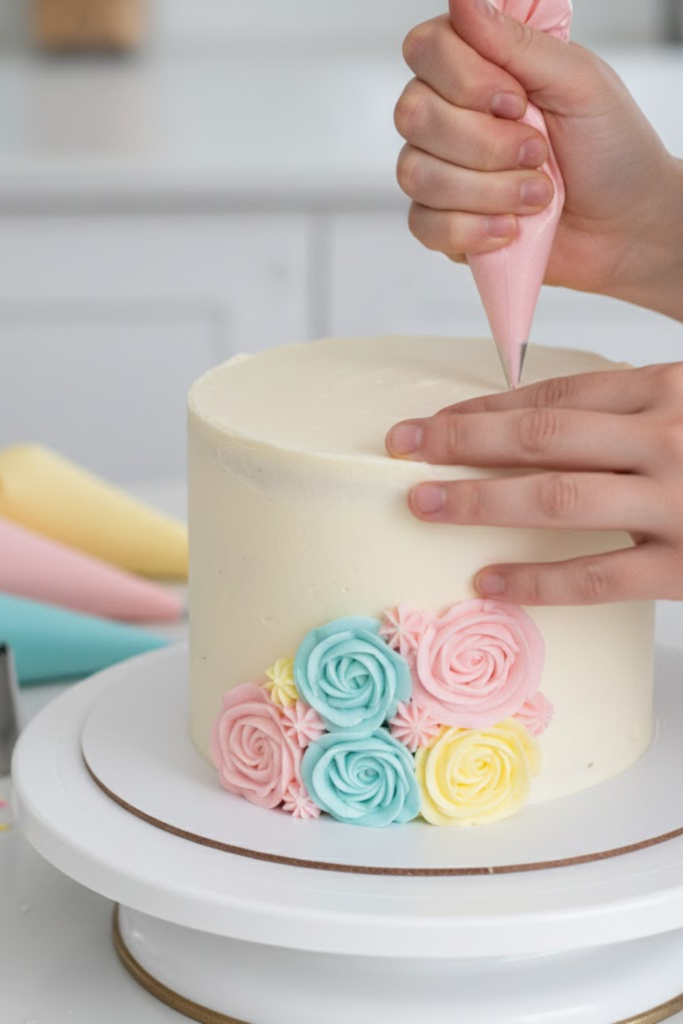
I’ll be honest, the first time I tried to decorate a 6-inch cake, I treated it like a full-sized masterpiece and ended up with a leaning tower of Pisa situation. Because these cakes are so light and narrow, they can slide around like crazy while you’re trying to frost them. I actually had one slide right off the cake board once because I didn’t “glue” it down with a dab of frosting. It was a total mess, but man, did it teach me a lesson about stability!
The Power of the Crumb Coat
If you skip the crumb coat on a small cake, you’re gonna have a bad time. Since there’s less surface area, every little stray crumb shows up like a sore thumb. I always apply a super thin layer of frosting first—just enough to trap the bits of cake—and then I pop it in the fridge for twenty minutes. This makes the final layer of frosting go on so much smoother, and it helps the cake stay upright.
Keep Your Proportions in Check
One big mistake I used to make was using my giant piping tips on these tiny cakes. A massive swirl that looks great on a 9-inch cake will totally overwhelm a 6-inch one.
- Use smaller piping tips (like a Wilton 1M or smaller) for delicate borders.
- Keep your decorations simple; sometimes a few fresh berries or a light “naked” frosting look is way more elegant than a ton of heavy fondant.
- Don’t go too crazy with the height unless you plan on using a straw or a small dowel to keep the layers from shifting.
Dealing with Frustration
I won’t lie, trying to get perfectly sharp edges on a tiny cake can be super annoying. My hands used to shake because I was so worried about knocking the whole thing over! But I’ve found that using a small offset spatula—not the big one—gives me way more control. And hey, if the sides look a little wonky, just cover them in sprinkles or toasted coconut. Nobody has ever complained about “too many sprinkles” in the history of baking.
Wrapping things up, baking a 6 inch cake is honestly the best way to keep your kitchen fun and your belly happy without the mountain of leftovers. We’ve walked through why these small-batch bakes are such a win for your wallet and your portion control, plus the essential tools you’ll need to avoid a “smoky oven” disaster like I had. Whether you stick with the classic vanilla base or go bold with a zesty lemon raspberry twist, these recipes are designed to be totally manageable and incredibly delicious.
I’ve made plenty of mistakes, from “floor cakes” to “soap-flavored” lavender experiments, but that is all part of the journey. Don’t be afraid to get a little messy and try something new in 2026! These tiny marvels prove that you don’t need a massive occasion to enjoy a professional-quality dessert.
If you enjoyed these tips, please share this guide on Pinterest so other small-batch bakers can find their new favorite recipes!.