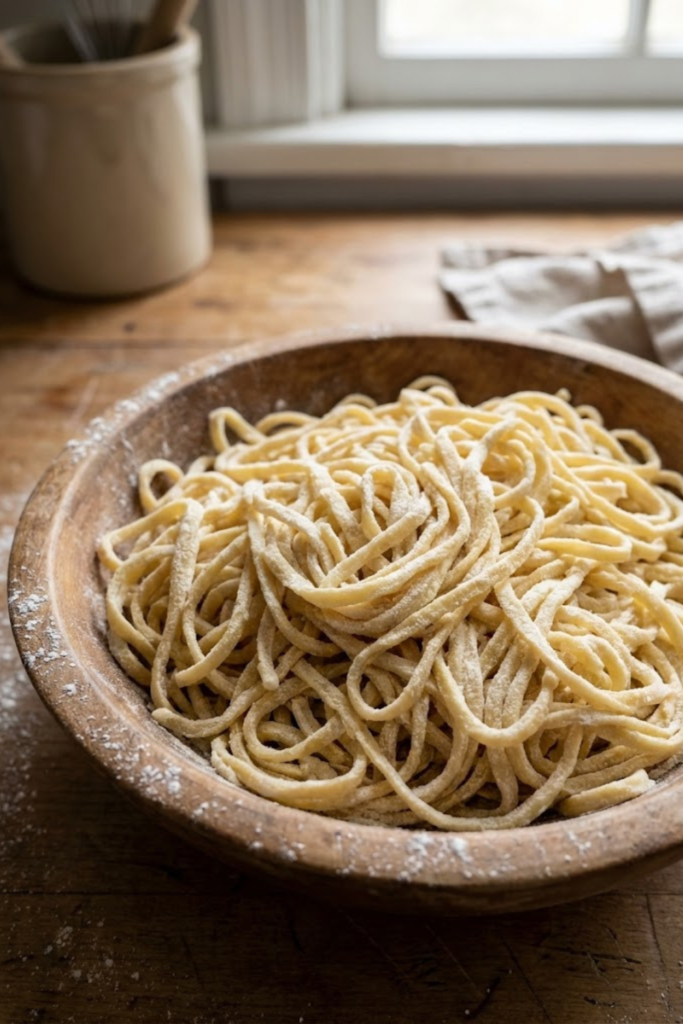
I used to have a serious problem with takeout menus—my wallet was practically crying for mercy! But then I realized something shocking: making restaurant-quality Lo Mein at home is actually faster than waiting for the delivery guy. Seriously! Did you know that the average takeout noodle dish contains nearly double the sodium recommended for a daily diet? Yikes. By making this at home, we control the salt and the flavor. Get ready to toss those takeout menus in the trash, because I’m about to show you how to master the wok like a pro.
Choosing the Right Noodles for Authentic Texture
Honest confession time: the first time I tried to make Lo Mein for my family, it was a disaster. I didn’t want to drive to the Asian market, so I grabbed a box of angel hair pasta from the pantry. Big mistake. Huge. The noodles turned into a sad, gloopy ball of mush that absorbed zero sauce. We ended up ordering pizza.
I learned the hard way that the noodle makes the dish. If you want that chewy, restaurant-quality bounce, you have to be picky at the grocery store.
The Fresh Stuff is King
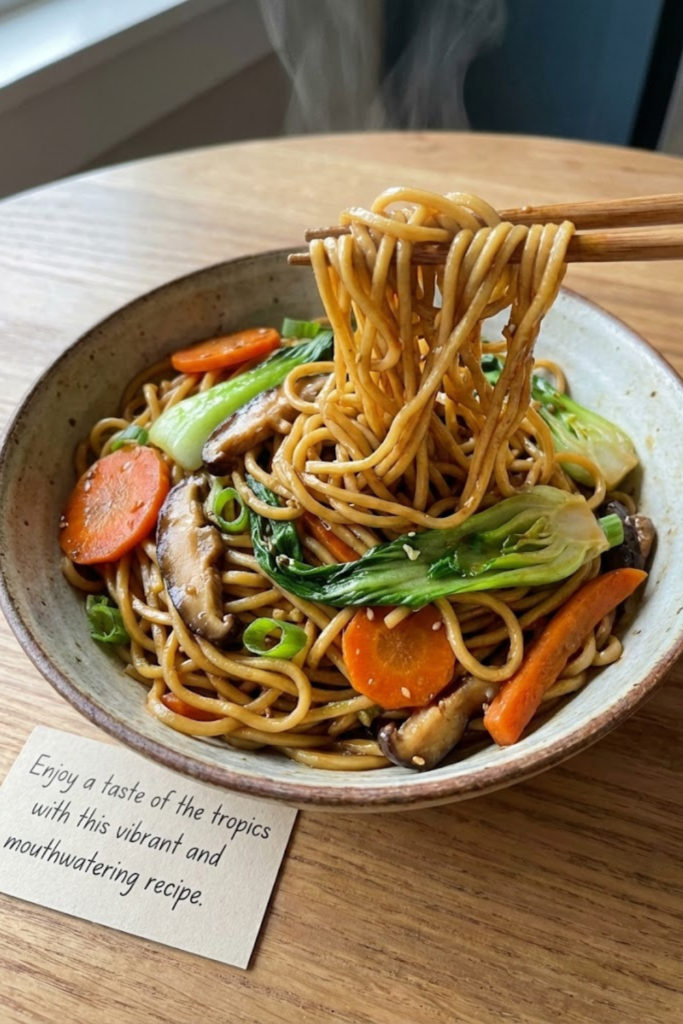
If you can find them, fresh egg noodles are absolutely the best choice for Lo Mein. You’ll usually spot them in the refrigerator section of your local grocery store, near the tofu or wonton wrappers. They are yellow, thick, and have a distinct chewiness that dried pasta just can’t replicate.
Why do they work better? Because fresh egg noodles are already soft but firm. They soak up that savory sauce without falling apart. When I switched to fresh noodles, my kids actually asked for seconds. It was a total game-changer. Just rinse them under cold water after boiling to stop the cooking—nobody likes a gummy noodle.
The “I Only Have Spaghetti” Hack
Okay, sometimes you just can’t get to the store. I get it. Life happens. If you are staring at a box of spaghetti and craving Lo Mein, I have a weird science trick for you.
Boil your spaghetti with a tablespoon of baking soda.
I know, it sounds crazy! But the baking soda changes the pH level of the water, giving the pasta a springy, alkaline texture similar to authentic ramen or egg noodles. It’s not a perfect match, but it’s surprisingly close. Just be careful not to overcook it. The baking soda can make the pasta foam up like a volcano, so keep an eye on the pot!
Don’t Turn It Into Mush
The biggest crime you can commit against Lo Mein is overcooking the noodles before they even hit the wok. Remember, you are going to toss them in a hot pan with sauce later.
I always cook my noodles about a minute less than the package says. You want them al dente—firm to the bite. If they are fully cooked when you drain them, they’ll turn to mush the second they hit that hot stir-fry sauce. Drain them, toss them with a tiny bit of sesame oil so they don’t stick, and set them aside. This little step saves the whole meal.
Trust me, getting the texture right is half the battle. Once you nail the noodle, the rest is just tossing veggies in a pan.
The Secret to the Perfect Lo Mein Sauce
I still remember the first time I tried to wing a Lo Mein sauce without a recipe. I thought, “It’s brown, so it must just be soy sauce, right?” Wrong. So wrong.
I dumped a cup of regular soy sauce into the pan. The result was a salty, inedible mess that made my lips pucker. It looked pale, tasted one-dimensional, and honestly, it was a total dinner fail. I ended up ordering pizza for the second time that week. My husband was nice about it, but I saw him chugging water all night.
Here is what I learned after that salty disaster: the sauce is a balancing act. You can’t just rely on one bottle from the fridge.
The Holy Trinity of Sauces
To get that deep, restaurant-style flavor, you need to mix three specific things.
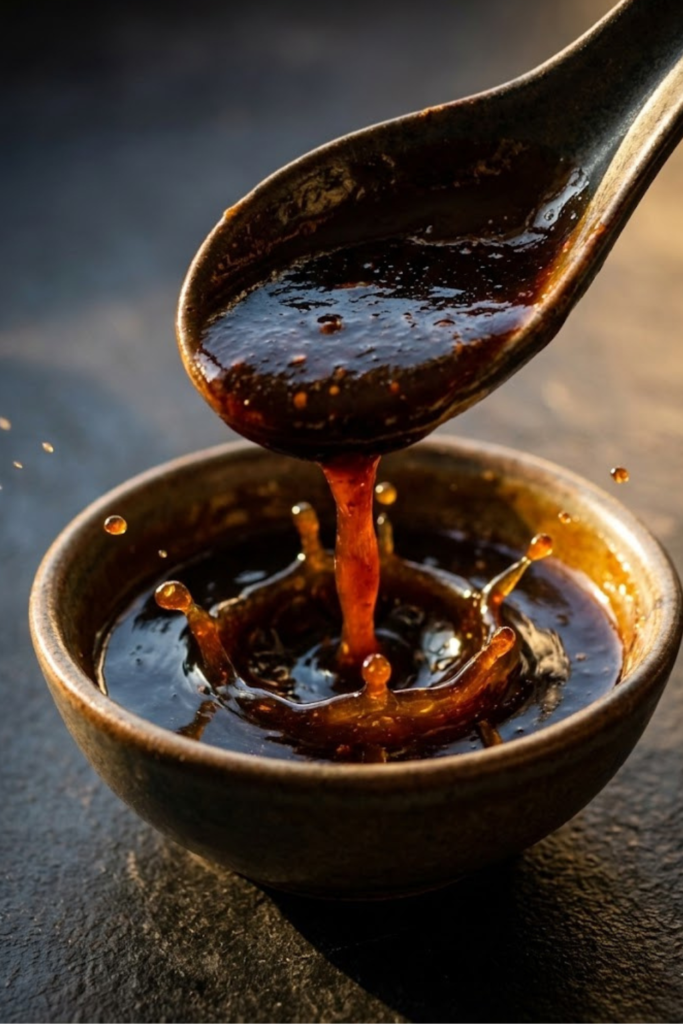
First, you need light soy sauce for the salty, savory base. This is what most people just call “soy sauce” in the grocery store. But here is the secret weapon I was missing: dark soy sauce.
I had no idea this stuff existed for years! Dark soy sauce is thicker, slightly sweeter, and less salty. But the main reason we use it? The color. It’s basically the food coloring of the Asian cooking world. Just a teaspoon turns your pale noodles into that rich, appetizing amber color you see at takeout spots. If your Lo Mein looks sad and beige, you are probably missing the dark soy.
Then comes the oyster sauce. I know, the name sounds weird if you aren’t used to it. But it doesn’t taste fishy. It adds that punch of umami—that savory “yum” factor—that ties everything together. It’s thick and glossy and absolutely necessary.
Don’t Forget the Aromatics
The sauce isn’t just liquid; it’s flavor. I used to just pour the cold sauce on the noodles, but that’s a rookie move.
You have to wake up the flavors. I always mix a little minced garlic and grated ginger directly into the sauce bowl before I start cooking. Sometimes I even add a splash of Shaoxing wine if I’m feeling fancy.
And please, for the love of food, use toasted sesame oil. But be careful! This stuff is potent. I once spilled a tablespoon too much, and the whole dish tasted like perfume. A little drizzle at the end goes a long way. It gives the dish that nutty aroma that hits you as soon as you open a takeout box.
getting the Gloss Right
Have you noticed how restaurant noodles are always shiny? That’s not just oil. It’s usually a cornstarch slurry.
I mix a tiny bit of cornstarch with water and sugar (yes, sugar!) and whisk it into my sauce base. The sugar balances the salty soy, and the cornstarch makes the sauce cling to the noodles instead of pooling at the bottom of the wok. There is nothing sadder than dry noodles sitting on top of a puddle of delicious sauce.
When the sauce hits the hot pan, it bubbles up and thickens instantly. That’s the magic moment. It coats every strand of noodle perfectly.
Protein and Veggie Variations for Every Diet
I used to think the only difference between my homemade stir-fry and the restaurant version was the amount of MSG. But then I paid attention to the meat. Why was my chicken always dry and stringy, while the takeout place had chicken that was silky and soft?
It drove me crazy. I actually thought they were using some weird, processed fake meat. Turns out, I was just cooking it wrong. And don’t even get me started on my soggy vegetables. I’ve served enough limp broccoli to traumatize a toddler.
Whether you are a carnivore or a vegan, what you throw into your Lo Mein matters just as much as the noodles. Here is how to stop ruining the good stuff.
The “Velveting” Game Changer
If you want that tender Chicken Lo Mein experience, you have to learn about velveting. It sounds fancy, but it’s actually super cheap and easy.
Basically, you marinate your sliced meat (chicken or beef) in a mix of cornstarch, soy sauce, and sometimes egg white or baking soda before cooking. I tried this for the first time a few years ago, and my jaw hit the floor. The cornstarch creates a barrier that locks in the juices so the high heat of the wok doesn’t dry it out.
Before I knew this trick, I was just tossing raw chicken breast into a hot pan and praying. It always came out tasting like a shoe. Now, I let it sit in that cornstarch sludge for 20 minutes while I chop veggies. When you cook it, it stays incredibly tender. It works for beef too—no more chewy steak that takes ten minutes to swallow!
Veggies That Actually Crunch
Here is a mistake I made constantly: dumping all the vegetables in at once.
I would throw the carrots, the bok choy, and the snow peas into the pan at the same time. By the time the carrots were cooked, the leafy greens were practically disintegrated. It was a texture nightmare.
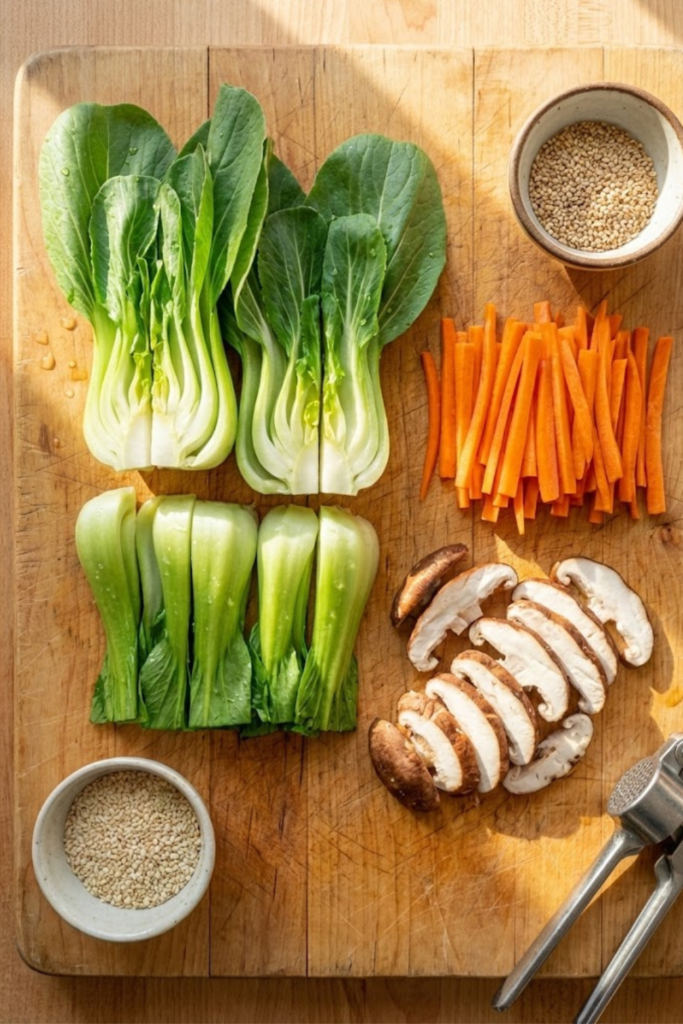
You have to be strategic here. I start with the hard stuff like carrots or broccoli stems. They need a head start. The softer stuff, like the leafy parts of the bok choy or bean sprouts, goes in at the very end. You literally just want to wilt them.
For a great Vegetable Lo Mein, you want contrast. You want that snap when you bite into a snow pea. If everything is soft, the whole dish feels like baby food. Keep it crisp!
Meatless Doesn’t Mean Boring
My sister went vegetarian last year, so I had to adapt my go-to recipe. I was worried it would be flavorless without the pork fat or chicken juices.
I was wrong. Using firm tofu is actually awesome if you treat it right. The trick is pressing the water out of the tofu first—I wrap mine in paper towels and put a heavy cast-iron skillet on top for 15 minutes. If you skip this, your tofu will just steam and crumble.
Once it’s dry, fry it until it’s golden brown before adding the sauce. It acts like a sponge for all that garlic and ginger flavor. Honestly, sometimes I prefer the tofu version because it gets crispy on the edges. Plus, swapping in mushrooms adds a ton of umami without needing meat.
Mastering the Wok: Techniques for “Wok Hei”
I have a confession: I used to be terrified of my wok. Every time I tried to use high heat, I ended up setting off the smoke detector. My dog would start barking, I’d be frantically waving a towel at the ceiling, and my husband would run in asking if the house was on fire. It was chaos.
But here is the truth I learned after disabling my smoke alarm (don’t tell the fire department): you need that scary high heat to get the flavor right.
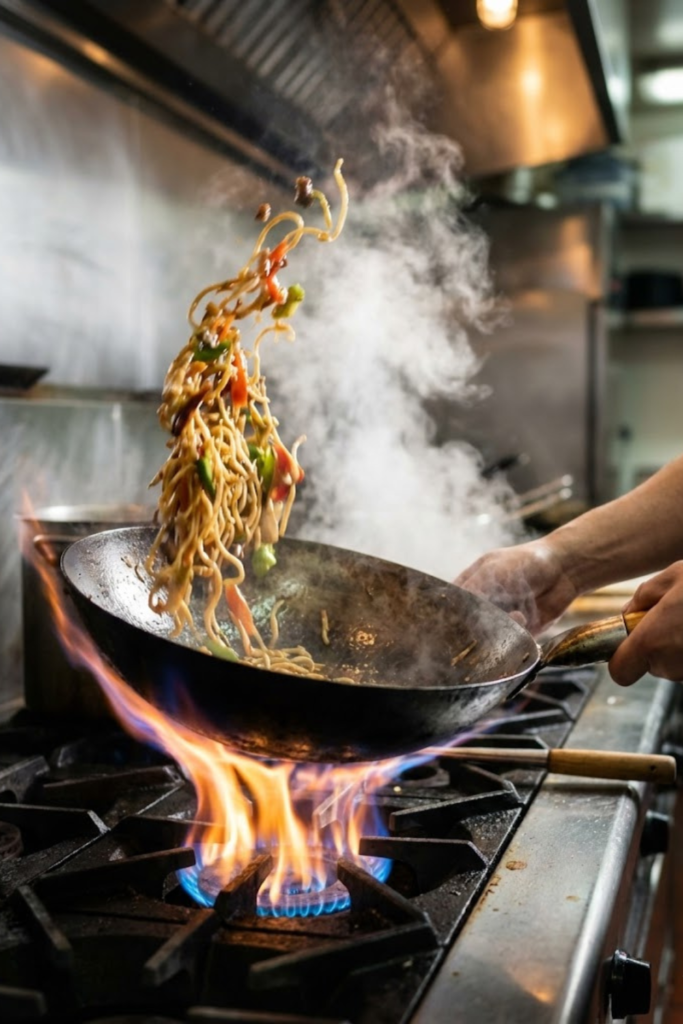
If you have ever wondered why takeout Lo Mein has that distinct, smoky aftertaste that you just can’t get at home, it’s called Wok Hei. It literally means “breath of the wok.” It’s that magical flavor that happens when oil and soy sauce hit a scorching hot pan.
Crank Up the Heat
Most of us are cooking on residential stoves that are wimpy compared to the jet-engine burners they use in restaurants.
To compensate, you have to let your pan get ripping hot before anything touches it. I mean smoking hot. I used to be impatient and throw my garlic in when the pan was barely warm. It just sat there sizzling sadly. Now, I wait until I see wisps of smoke rising from the oil.
If you don’t have a carbon steel wok, don’t worry. A heavy cast-iron skillet works great too because it holds heat like a champ. Just don’t use a non-stick pan for this; you can’t get them hot enough without ruining the coating (and releasing bad chemicals).
The Overcrowding Trap
This was the hardest habit for me to break. I’m lazy. I wanted to cook everything at once to save time. So I would dump a pound of noodles, all the veggies, and the chicken into the wok simultaneously.
Result? A soggy, watery mess.
When you pack the pan too full, the temperature drops instantly. Instead of frying the food, you end up steaming it in its own juices. Gross.
Now, I cook in batches. It takes a few extra minutes, but it’s worth it. I sear the meat and take it out. Then I stir-fry the veggies and take them out. Finally, I do the noodles. When you mix everything back together at the end, the ingredients stay distinct and crisp rather than turning into a flavorless mush.
The Gentle Toss
There is an art to moving the food around. In the beginning, I was aggressive. I attacked the noodles with my spatula like I was chopping wood. By the time I was done, my long, beautiful noodles were broken into tiny one-inch pieces.
You want to use a scooping motion. Slide your spatula under the noodles and lift them up, folding them over the veggies and sauce. It’s more of a lift-and-drop than a stir.
I actually practiced this with dry beans in a cold wok just to get the wrist motion down. Okay, I know that sounds nerdy, but it helped! If you are feeling brave, try the wrist-flick toss to mix everything in the air—just maybe don’t wear a white shirt the first time you try it. I learned that lesson the hard way too.
Wrapping It All Up: Your New Kitchen Superpower
I really used to think that making Lo Mein at home was some kind of impossible secret reserved for professional chefs. But honestly, after a few burnt batches and a lot of trial and error, I realized it’s just about having a little confidence and a very hot pan. It’s such a triumph when you finally take that first bite and realize it tastes better than the stuff in the red-and-white cardboard boxes. Plus, you don’t have to put on shoes or wait forty minutes for a delivery driver who might get lost anyway.
The beauty of this dish is how it changes with you. Some nights I’m feeling like a health nut and I load it with every green veggie in the crisper drawer. Other nights, I just want those salty, glossy noodles and some tender chicken to make me feel better after a long day. There’s no right or wrong way once you understand the basic flow of the sauce and the heat.
A Few Final Tips From My Kitchen to Yours
- Prep is everything: Since the cooking happens in about five minutes, have your sauce mixed and your veggies chopped before you even turn on the stove.
- Don’t stress the small stuff: If you break a few noodles or your carrots aren’t perfectly julienned, it’s still going to taste amazing.
- Clean as you go: A sticky wok is way harder to scrub if you let it sit overnight—take it from someone who has ruined a few good sponges.
I really hope this helps you feel like a total pro in your own kitchen. There is nothing quite like the feeling of serving a meal that looks and tastes like it came from a high-end restaurant, knowing you did it all yourself in fifteen minutes. Go ahead and give it a shot tonight!
If you loved this recipe, please share it on Pinterest! It helps other home cooks find these tips, and I’d love to see your kitchen creations.