I still remember the specific moment I nearly dropped a bottle of vanilla right there in the baking aisle. Twenty dollars for two ounces? You have got to be kidding me! That moment of pure frustration was actually the best thing that could have happened to my kitchen. I went home, started researching, and realized that making homemade vanilla extract is actually shockingly simple.
Honestly, I felt a little silly for buying the imitation stuff for so many years.It turns out, you only need quality vanilla beans and a decent bottle of vodka. There is no secret trick or wild chemistry involved here. I have learned that patience is really the only hard part of the whole process. When I finally cracked open my first jar after waiting six months, the smell was absolutely intoxicating—rich, creamy, and nothing like the alcohol-heavy store versions. Since then, I’ve been gifting bottles to everyone I know. If you are ready to finally upgrade your cookies and cakes with liquid gold, let me show you exactly how to get started.
Choosing the Best Vanilla Beans for Extract
I have to admit, when I first decided to make my own homemade vanilla extract, I just grabbed whatever withered beans I could find at my local grocery store. Big mistake. I ended up paying a fortune for two sad-looking pods that produced a pretty weak extract. It was super frustrating! Over the years, I’ve learned that the bean you choose literally makes or breaks the final flavor. It’s not just about grabbing anything that says “vanilla.”
Understanding the Flavor Profiles
Did you know that vanilla beans taste completely different depending on where they are grown? It blew my mind the first time I did a side-by-side smell test.
- Madagascar Bourbon Vanilla Beans: This is what most of us think of when we imagine vanilla. It’s creamy, rich, and sweet. This is my go-to for classic chocolate chip cookies.
- Tahitian Vanilla: These are really interesting because they smell floral and almost fruity, like cherries. I love using this extract in fruit tarts or lighter desserts where I want something a bit brighter.
- Mexican Vanilla: If you like a kick of spice, this is it. It has a woody, spicy note that pairs perfectly with cinnamon or chocolate dishes.
I accidentally used Tahitian beans for a pumpkin pie once, and it tasted… off. The fruity notes clashed hard with the spices. Lesson learned! Now, I stick to Madagascar for my general baking.
Why “Ugly” Beans Are Actually Better
Here is the secret that took me way too long to figure out: you do not want the pretty beans for extract.
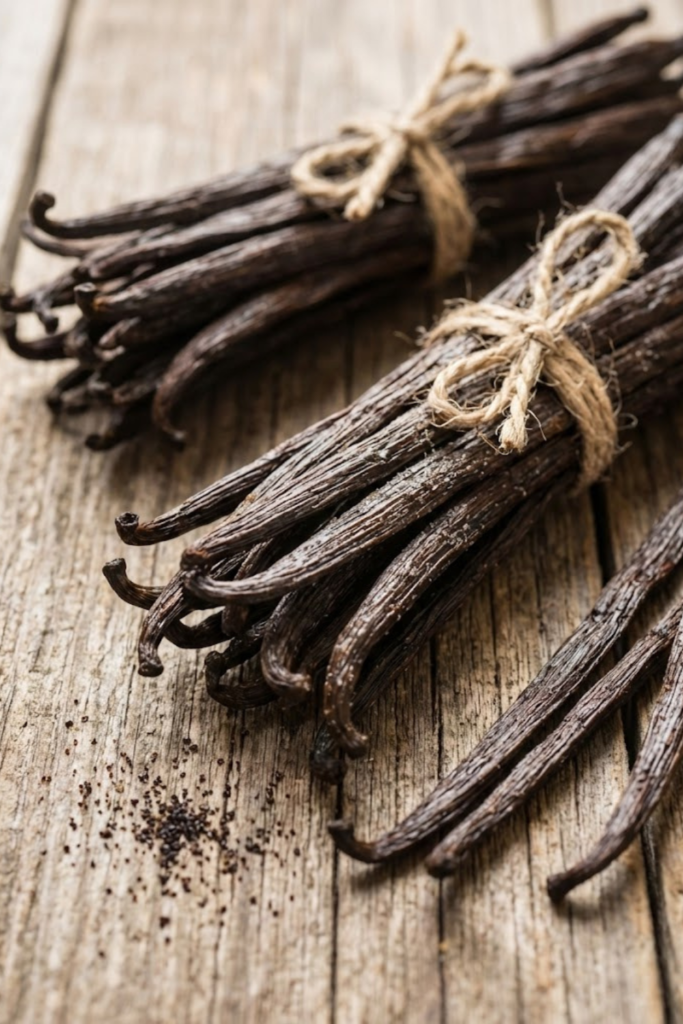
When you see “Grade A” beans, they are plump, oily, and moist. They are meant for scraping the vanilla bean caviar out directly into a custard or frosting. But for homemade vanilla extract, moisture is actually the enemy. You want Grade B vanilla beans.
Grade B beans are also called “extraction grade.” They look dry, brittle, and honestly kind of ugly. But because they have less water weight, you get more bean for your buck, and the flavor is way more concentrated. The alcohol rehydrates them anyway, so it doesn’t matter if they are dry to start with. I felt so dumb when I realized I’d been wasting money on Grade A beans just to soak them in vodka!
Sourcing Your Beans
Please, do not buy your beans at the supermarket. You will go broke.
I buy bulk vanilla beans online now. There are great co-ops and spice shops on the internet where you can get a quarter pound of beans for the price of two single pods at the store. It feels like a lot of money upfront, maybe $30 or $40, but that bag will last you forever.
When I get a new shipment, I just store them in an airtight bag in a cool cupboard. Don’t put them in the fridge! I did that once and they got moldy because of the condensation. Just keep them dark and dry, and they’ll be ready whenever you want to start a new batch.
Selecting the Right Alcohol for Your Extraction
I still have vivid memories of the first time I walked into the liquor store to buy supplies for my homemade vanilla extract. I felt totally out of place, wandering up and down the aisles, staring at bottles I couldn’t pronounce. I’m not really a big drinker, so I had zero clue what I was looking for. I honestly just grabbed the bottle with the prettiest label and hoped for the best.
It turns out, you don’t need to be a sommelier to pick the right booze. But the alcohol you choose acts as the solvent that pulls all that flavor out of the beans, so it does matter.
Why Vodka is the Gold Standard
If you look up any recipe online, 99% of them are going to tell you to use vodka. And they are right, mostly.
Vodka is tasteless and odorless. It’s basically a blank canvas. When you use vodka, you are allowing the pure flavor of the Madagascar bourbon vanilla beans (or whatever bean you picked) to be the star of the show. There is no competition.
I made the mistake of buying top-shelf, fancy-pants vodka for my first batch. I thought, “Better ingredients, better pizza,” right? Wrong. I wasted like $40 on a bottle that tasted exactly the same as the mid-range stuff once the vanilla took over. Don’t be like me. As long as it’s not the stuff in a plastic jug on the bottom shelf that smells like nail polish remover, you are good.
Branching Out: Bourbon and Rum
Once I got comfortable, I started experimenting. And let me tell you, Bourbon vanilla extract changed my life.
I decided to soak some beans in a decent Kentucky bourbon, and the result was incredible. It adds this rich, caramel-y, smoky depth that is absolutely killer in chocolate chip cookies or pecan pie. It’s heavy, though. You probably wouldn’t want to put it in a light angel food cake.
I also tried white rum once. It was okay, but it added a sweetness I didn’t love. If you want a tropical vibe, maybe for coconut cakes, white rum for vanilla works. But if you are just starting, stick to vodka or bourbon.
The One Rule You Can’t Break
Here is the only technical thing you actually need to pay attention to: the proof.
You have to check the label and make sure it is at least 80 proof vodka (or bourbon, or rum). That means it is 40% alcohol by volume. This is super important because the alcohol acts as a preservative. If you use something with less kick, your beans might not extract properly, or worse, they could spoil.
I had a friend who tried to use some flavored, low-alcohol liqueur because she thought it would taste “yummy.” Her beans just got slimy and the liquid went cloudy in a bad way. It was a total waste of money. The alcohol extraction method relies on that 80-proof strength to strip the flavor from the beans and keep bacteria away.
Save Your Money
So, here is my final advice: Go to the store, find the vodka aisle, and look for something in the middle price range. Smirnoff or Svedka are usually my go-to choices. They are clean, cheap enough that I don’t cry when I pour a whole cup into a jar, but quality enough to make a pure vanilla extract that rivals anything you’d buy in a fancy gourmet shop.
Just don’t stress about it too much. As long as it’s strong enough, the vanilla is going to do the heavy lifting.
Step-by-Step Guide to Making Homemade Vanilla
I used to be so intimidated by the idea of making my own pantry staples. I assumed I needed a chemistry degree or a sanitized lab environment to pull it off without poisoning my family. But honestly, making homemade vanilla extract is easier than making a sandwich. The first time I did it, I was done in ten minutes and was left wondering, “Wait, is that it?”
It really is that simple, but there are a few tiny details that matter if you want the good stuff.
Prepping the Beans (The Sticky Part)
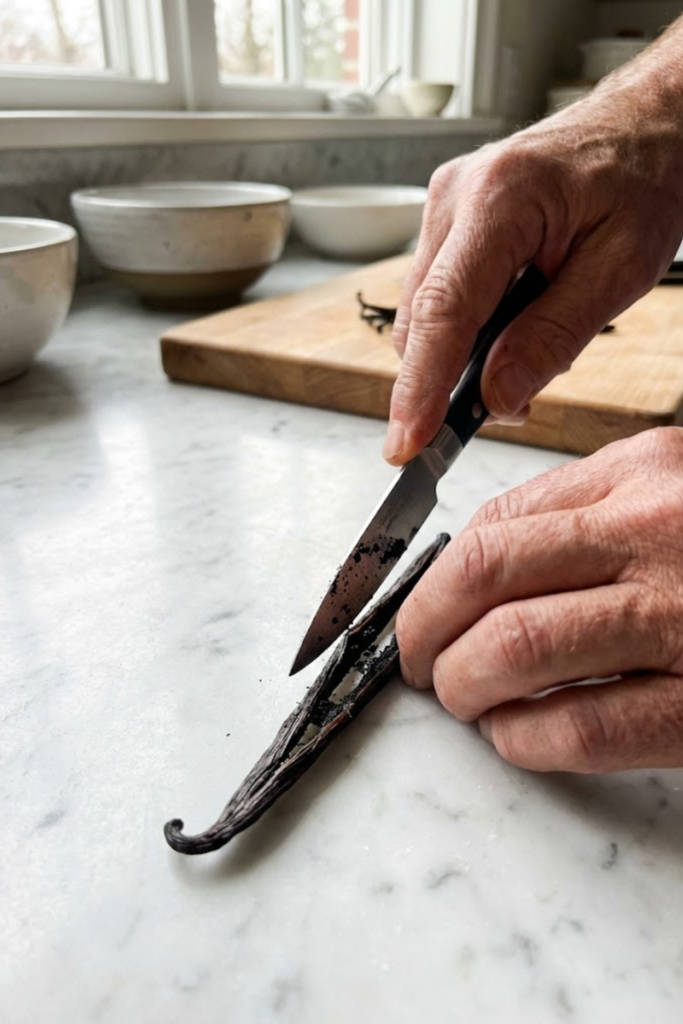
First off, get yourself a sharp paring knife. I tried using a dull steak knife once and nearly took my finger off.
You need to take your split vanilla beans and slice them right down the center lengthwise. You don’t need to cut all the way through; just open them up like a book. Inside, you will see thousands of tiny black specks. That is the vanilla bean caviar, and that is where all the flavor lives. You want that good stuff exposed to the alcohol.
My hands smell like vanilla for days after I do this, which honestly isn’t a bad problem to have. Just don’t rub your eyes, trust me.
The Bottling Process
I like to use amber glass bottles for my extract because they protect the liquid from light, which can degrade the flavor over time.
Place your split beans into the bottle. If your beans are too long for the jar, just cut them in half. I used to try bending them to fit, but they would always spring back up and poke out of the liquid. This is a huge no-no. You have to focus on submerging vanilla beans completely.
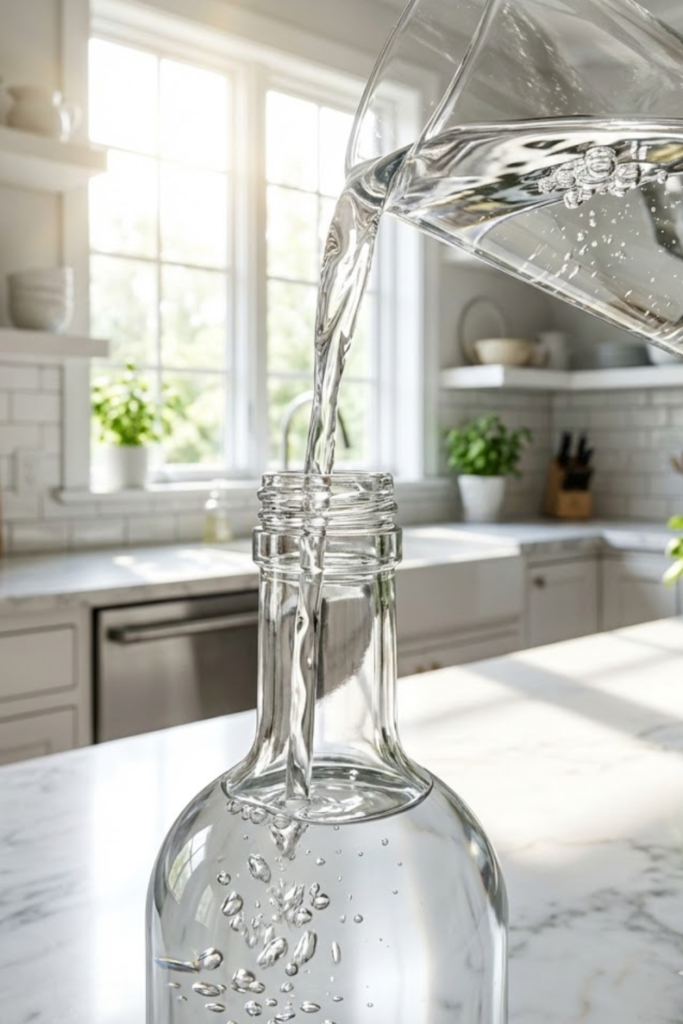
If any part of the bean is exposed to the air inside the bottle, it can grow mold. I learned this the hard way when I opened a jar after three months and found fuzzy green stuff on the tips of my beans. It was heartbreaking to pour it all down the sink. So, pour your vodka over the beans until they are totally covered.
The Hardest Part: The Wait
Now comes the part that drives me crazy: the extract brewing time.
You put the lid on tight, write the date on a piece of tape, and stick it in the back of a cupboard. Now you wait.
Most people say wait two months. I’m telling you, those people are impatient. After two months, it just tastes like vanilla-flavored vodka. You need to wait at least six months. If you can wait a full year, it will be the best thing you have ever tasted. I usually have a “ready” bottle and a “brewing” bottle going at the same time so I never run out.
Shake It Up
While it’s sitting there in the dark, you need to give it some love.
Every time I reach into the cupboard for flour or sugar, I grab the jar and give it a quick shake. Shaking vanilla extract helps circulate the alcohol through the pods and moves that caviar around. It doesn’t have to be a vigorous workout; just a gentle turn upside down and back is fine.
If you forget for a month, it’s not the end of the world. But I swear the batches I shake regularly come out darker and richer.
Creative Uses for Your Finished Extract
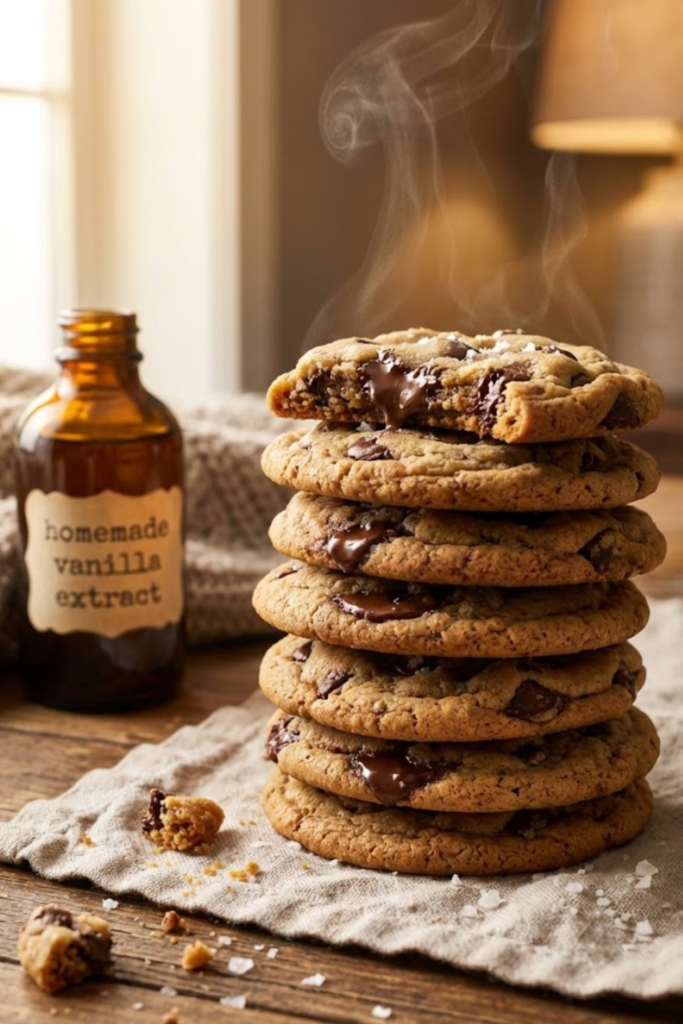
I used to think vanilla extract was just that boring brown liquid you dumped into cookie dough because the recipe card told you to. I didn’t really get it. It wasn’t until I tasted my first batch of homemade vanilla extract that I realized this stuff is basically liquid gold.
Once I realized how complex the flavor actually was, I started putting it in everything. I mean, I might have gone a little overboard at first. I definitely ruined a perfectly good stir-fry by trying to get “creative” with it. Don’t do that. But through trial and error, I found some spots where this stuff absolutely shines.
Beyond the Cookie Jar
Obviously, this stuff is the king of baking staples. But the difference between the fake stuff and your homemade brew is most obvious in things that aren’t baked.
I remember making a simple whipped cream for a dinner party last year. I used a splash of my double fold vanilla extract (that’s the strong stuff). My friend literally stopped mid-bite and asked me what “secret fancy spice” I used. It was just vanilla! When you don’t cook the alcohol out, the flavor is front and center.
It is a game changer for buttercream frosting, too. You get those little black specks from the vanilla bean caviar that make everything look gourmet.
The Breakfast Upgrade
I am not a morning person. At all. But adding a splash of this extract to my coffee makes 6 AM bearable.
It is way better than those sugary, artificial syrups they sell at the coffee shop. I also stir a teaspoon into my oatmeal or Greek yogurt. It provides this awesome flavor enhancement that tricks your brain into thinking you are eating something sweet, even if you haven’t added any sugar. If you are watching your sugar intake, this is a total lifesaver.
The Savory Surprise
Okay, hear me out. This might sound weird.
I read somewhere about adding vanilla to savory dishes, and I thought it sounded gross. But I tried a tiny drop—literally just a drop—in a balsamic glaze for pork chops. It was… interesting. In a good way. It rounds out the acidity and adds a warmth you can’t quite put your finger on. Just don’t go heavy-handed, or your dinner will taste like dessert.
The Ultimate Lazy Gift
Honestly, the best use for my big batch of extract is holiday food gifts.
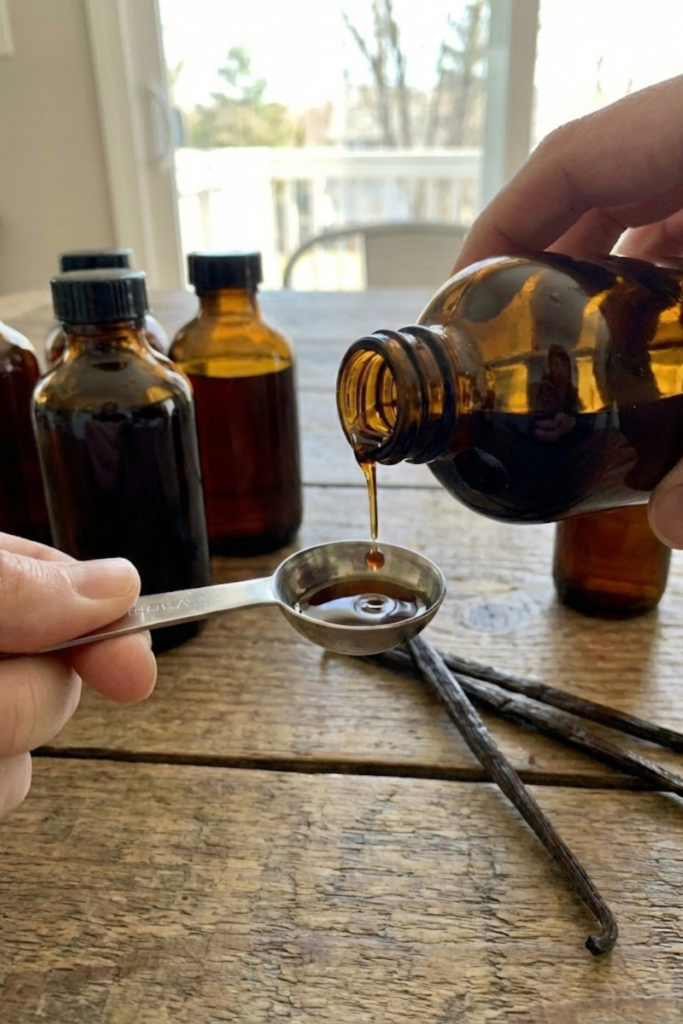
I buy a dozen cute little amber glass bottles online and print out some fun vanilla extract labels. I tie a ribbon around the neck, and boom—Christmas shopping is done. People act like I slaved away in the kitchen for days.
I never tell them that all I actually did was pour vodka into a jar six months ago and ignore it. It is the best homemade baking supplies gift because it’s expensive to buy but cheap to make. Everyone loves it, and it makes you look like a domestic goddess with zero effort.
Troubleshooting Common Vanilla Extract Issues
I remember staring at a bottle I’d made three months prior and feeling totally defeated. It looked like dirty water and smelled like a frat party. I was convinced I’d messed up the chemistry or bought bad beans. But after panic-Googling and talking to some baking friends, I realized I was just being paranoid.
There are a few things that can look “wrong” but are actually totally normal. Don’t pour it down the sink just yet!
Why Does It Smell Like Booze?
The most common complaint I hear is, “It just smells like vodka!” I’ve been there. You open the jar, expecting that warm, bakery scent, and instead, your nose hairs get singed by alcohol fumes. It’s super disappointing.
Usually, this just means you are being impatient (guilty!). Extract brewing time is not a suggestion; it is a rule. If it has been less than six months, put the lid back on and walk away. If it has been six months and it is still weak, you might have used too much alcohol for the amount of beans. I had to salvage a batch once by slicing open two more fresh beans and tossing them in. It fixed the problem in about four weeks.
What is Floating in My Bottle?
I nearly threw out a whole quart of extract because it looked cloudy. I held it up to the light and saw all this murky stuff floating at the bottom. I thought, “Great, I grew a science experiment.”
Relax. It’s almost definitely not mold. Extract cloudiness is usually just sediment from the beans or the oils separating a bit. It is actually a good sign! It means your extract is full of real bean particles. Just give it a good shake before you use it. If you see fuzzy green or black circles growing on top of the liquid, that is mold. That happens when the beans aren’t fully submerged. But sediment at the bottom? That is just flavor.
Storage Mistakes to Avoid
Do not put your extract in the fridge. I did this with my very first bottle, and the cold temperature stopped the extraction process dead in its tracks. The alcohol turned thick and syrupy, and the flavor never really developed.
Just keep your amber glass bottles in a dark cupboard. Sunlight is the enemy here. It breaks down the vanilla oils, leaving you with a flavorless brown liquid.
The Never-Ending Bottle
I am lazy, so I love the “perpetual stew” method. As I use the extract, I just top off the bottle with a little more vodka. It keeps the perpetual vanilla pot going for years. Eventually, the beans will lose their potency, and you will have to add fresh ones. But for a long time, you can just keep refilling and shaking. It makes me feel like a wizard with a magic potion that never runs out.
Is It Worth The Wait?
Honestly, if you had told me five years ago that I would be waiting a full year for a bottle of vanilla to be “ready,” I would have laughed in your face. I am not exactly known for my patience. But making homemade vanilla extract has taught me that some things really are just better when you take the slow road.
It is a bit of an investment upfront. Buying the bulk vanilla beans and the bottles feels like a hit to the wallet. But when you do the math, you are paying pennies per ounce compared to the tiny, expensive bottles at the store. And the flavor? It is not even in the same universe.
A Pantry Staple You Will Be Proud Of
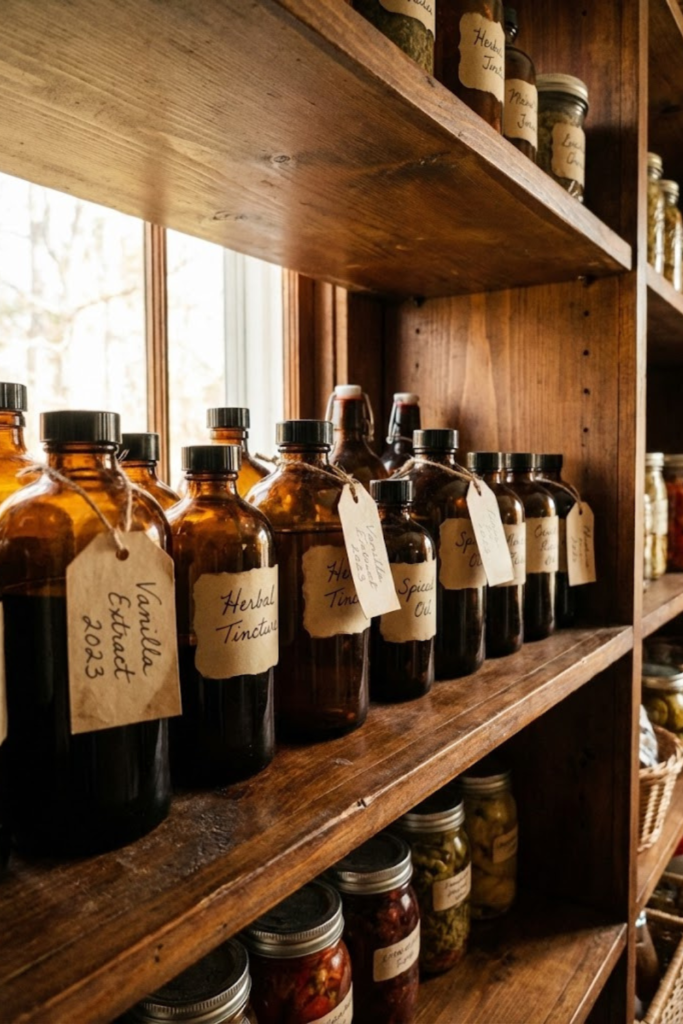
There is something surprisingly satisfying about seeing those amber glass bottles lined up in my cupboard. It makes me feel like I have my life together, even if the rest of the kitchen is a disaster zone.
We have covered a lot here, from picking the right Madagascar bourbon vanilla beans to finding a vodka that won’t break the bank. Just remember, there is no “perfect” way to do this. As long as you have beans, alcohol, and a dark cupboard, you are going to end up with something delicious. Don’t stress if you forget to shake it for a few weeks. It is pretty forgiving stuff.
Don’t Lose The Recipe!
Since you have to wait six months to actually use this stuff, you are definitely going to forget the ratios by the time you need to make a refill. Do yourself a favor and save this guide.
If you found this helpful, please pin this post to your “Baking Essentials” or “DIY Gifts” board on Pinterest! It helps other bakers find us, and it saves you from frantically searching Google six months from now when you have empty bottles and fresh beans.
Now, go get those beans soaking. Future you is going to be so happy you did.