Did you know that “Scampi” actually refers to a specific type of tiny lobster, not the garlic sauce itself? It’s funny how names travel! I remember back in the day, I honestly thought I needed a fancy culinary degree just to get that glossy sauce without it breaking into a greasy mess. I spent years serving pasta that was either bone-dry or swimming in oil before I finally cracked the code.
As a teacher, I’m all about those “lightbulb moments,” and this Chicken Scampi is definitely one of them for busy weeknights. It’s the kind of meal that makes you feel like you’re dining out at a 5-star spot even if you’re actually just in your pajamas! We’re going to use tender chicken breasts, plenty of fresh garlic—seriously, stay away from the jarred stuff—and a splash of dry white wine to bring it all together.
This is a fast recipe, but it does require you to pay attention so you don’t burn the garlic, a mistake I’ve made more times than I’d like to admit. But don’t sweat it! We’re going to walk through the steps together to ensure your sauce is perfectly zesty and velvet-smooth. Grab your skillet, because we’re about to make some magic happen!
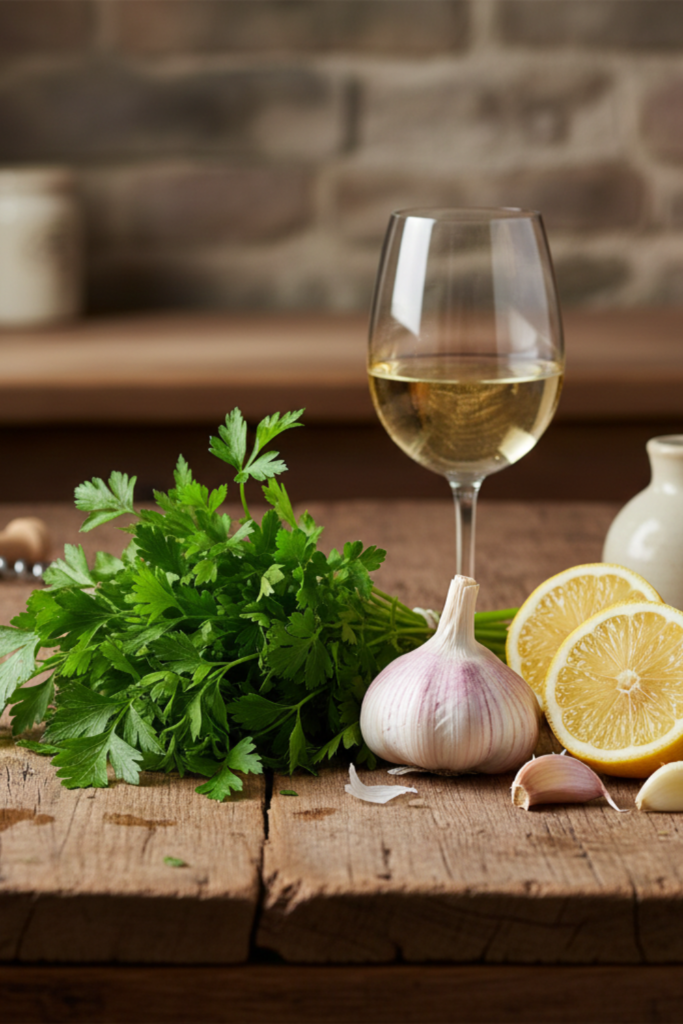
Essential Ingredients for a Zesty Garlic Butter Sauce
I’ve gotta tell you, when I first started making this, I thought I could just use whatever was in the fridge. Huge mistake! I once tried using that bottled lime juice and some old margarine because I didn’t want to go to the store. It tasted like a sour oily mess, and my family barely touched it. Now that I’ve been teaching folks to cook for years, I’ve learned that the magic is really in the quality of your basics.
Why Fresh is Best
You really need to grab a real lemon and some fresh garlic bulbs. Don’t even look at that pre-minced stuff in the jar; it has a weird metallic aftertaste that ruins the delicate sauce. I usually grab about four or five big cloves for this. If you’re like me and love that punchy flavor, maybe add an extra one. Just peel them and give them a good smash with your knife before mincing. It’s actually therapeutic after a long day at the schoolhouse!
Picking Your Liquid Gold
The wine you pick matters a ton because it’s the base of your flavor. I always go for a dry white wine, something like a Pinot Grigio or a Sauvignon Blanc. One time I accidentally used a sweet Riesling—talk about a disaster. It was like eating candy chicken, which is just gross. If you don’t do alcohol, you can use a splash of chicken broth with extra lemon, but the wine really gives it that restaurant vibe.
The Butter Secret
For the butter, use unsalted so you can control the salt yourself. I like to keep my butter cold until the very last second. Throwing cold cubes into the hot pan helps the sauce stay creamy instead of just turning into a pool of yellow oil. It’s a little trick that makes a big difference for your final dish.
- Chicken Breast: Use thin cutlets so they cook fast.
- Extra Virgin Olive Oil: Just a bit to keep the butter from burning.
- Red Pepper Flakes: Add a tiny pinch for a little kick that wakes up the tongue.
I’m telling you, once you smell that garlic hitting the butter and wine, you’ll feel like a total pro in your own kitchen. It’s those little wins that make cooking so much fun, right?
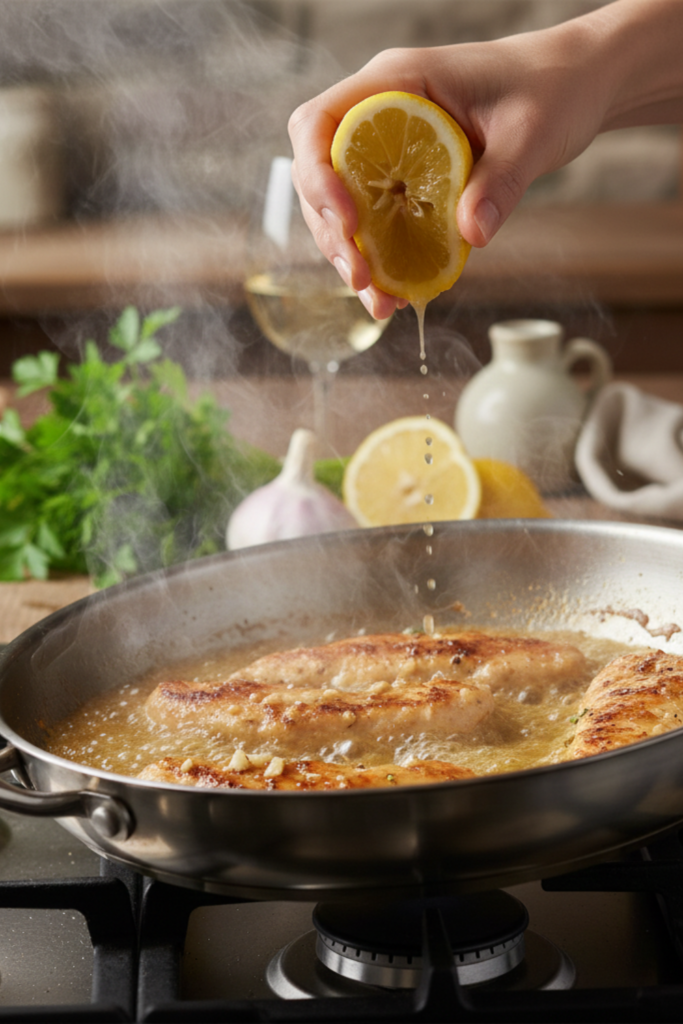
Step-by-Step Cooking Guide for Perfection
I remember when I first tried to sear chicken for scampi; I was so impatient that I crowded the whole pan. The meat just ended up steaming in its own juices and looking gray and sad instead of that beautiful golden-brown color I wanted. It was a total failure, but hey, that’s how we learn, right? Now, I make sure my skillet is nice and hot with a mix of oil and butter before the chicken even touches it.
Searing for Flavor
You want to lay your chicken pieces down and just leave them alone for a few minutes. If you try to move them too soon, they’ll stick and tear, and you’ll lose all that yummy crust. I usually wait until they release easily from the pan7. Once they’re golden, flip ’em over! Don’t worry if they aren’t cooked all the way through yet; they’re gonna finish later in that glorious sauce.
Building the Sauce
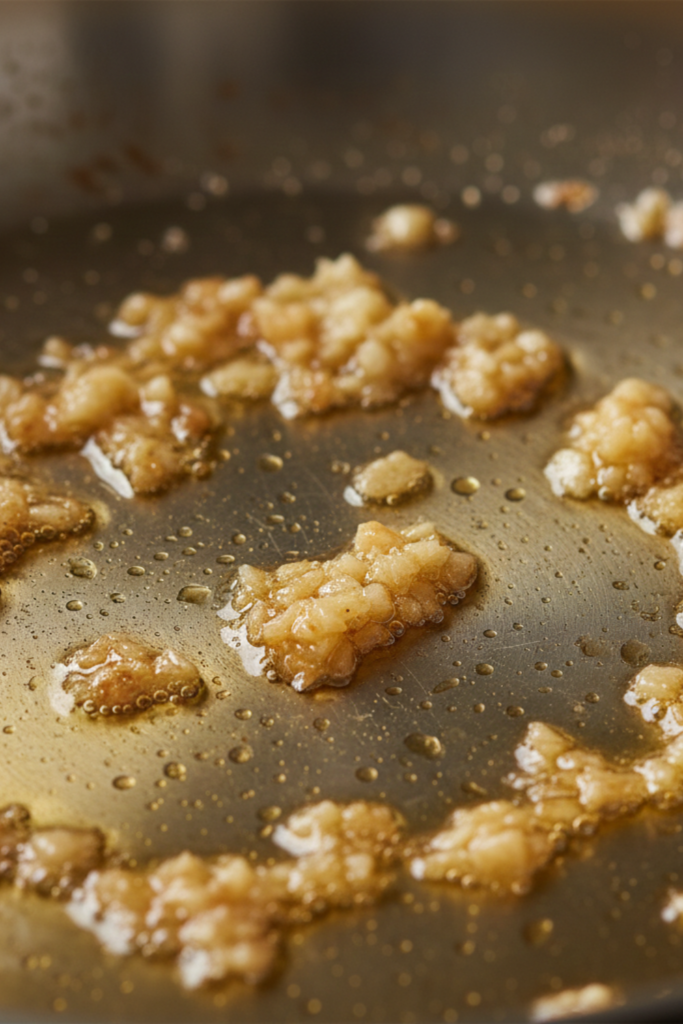
After you take the chicken out, don’t you dare wash that pan! Those little brown bits stuck to the bottom are pure flavor gold. Toss in your minced garlic and let it sizzle for just about thirty seconds—any longer and it turns bitter, which is a mistake I’ve made more times than I’d like to admit11111111. Pour in your wine to deglaze, scraping the bottom of the pan like you’re cleaning a chalkboard.
The Final Emulsion
Lower the heat before you whisk in your cold butter. This is where the magic happens and the sauce gets all velvety and thick. I once saw a student try to boil the sauce after adding butter, and it separated into a greasy mess. Keep it at a low simmer, toss your chicken back in to coat it, and then throw in your al dente pasta.
- Check Temperature: Use a thermometer to make sure the chicken hits 165°F.
- Pasta Water: Save a splash of the salty pasta water to help the sauce stick to the noodles181818.
- The Finish: Squeeze that fresh lemon over everything right at the end to make the flavors pop19.
It honestly feels like a triumph every time that sauce comes together perfectly. It’s not about being perfect; it’s about making something that tastes like home.
Common Mistakes to Avoid with Homemade Scampi
I’ve spent plenty of afternoons in the kitchen feeling like I was failing a basic chemistry test. One time, I got so distracted talking on the phone that I let my garlic turn dark brown. The whole dish tasted like burnt rubber, and I had to toss the entire batch. It’s these little blunders that teach us the most, even if they’re super frustrating at the time.
The Garlic Timing Trap
The biggest mistake people make is putting the garlic in too early. Garlic is delicate, like a student who needs a bit of extra patience. If you throw it in with the chicken at the start, it will burn to a crisp77. You gotta wait until the chicken is out of the pan. Just thirty seconds in the hot oil is all it needs to release that sweet aroma without becoming bitter.
Dealing with the Watery Sauce
Another thing that drives me crazy is when the sauce looks more like soup than a silky glaze. This usually happens because people don’t let the wine reduce enough before adding the butter. You need to let that wine bubble away until about half of it is gone. If it’s still too thin, don’t panic! Just simmer it for another minute or two. It’s not merely about following a timer; it’s about watching how the liquid moves in the pan.
Watching the Heat
I used to think higher heat meant faster dinner, but with scampi, that’s just asking for trouble. If the pan is screaming hot when you add the butter, the sauce will break and look oily. Turn that dial down a bit. It’s better to take an extra minute than to serve a greasy mess to your family.
- Don’t Overcook: Chicken gets rubbery fast once it passes 165°F.
- Salt Control: Avoid adding extra salt until the very end because the pasta water is already salty20202020.
- Wine Choice: Stay away from cooking wines sold in grocery stores; they are packed with way too much sodium21212121.
Trust your gut when you’re at the stove. If something looks off, just take the pan off the heat for a second to breathe. You’ve got this!
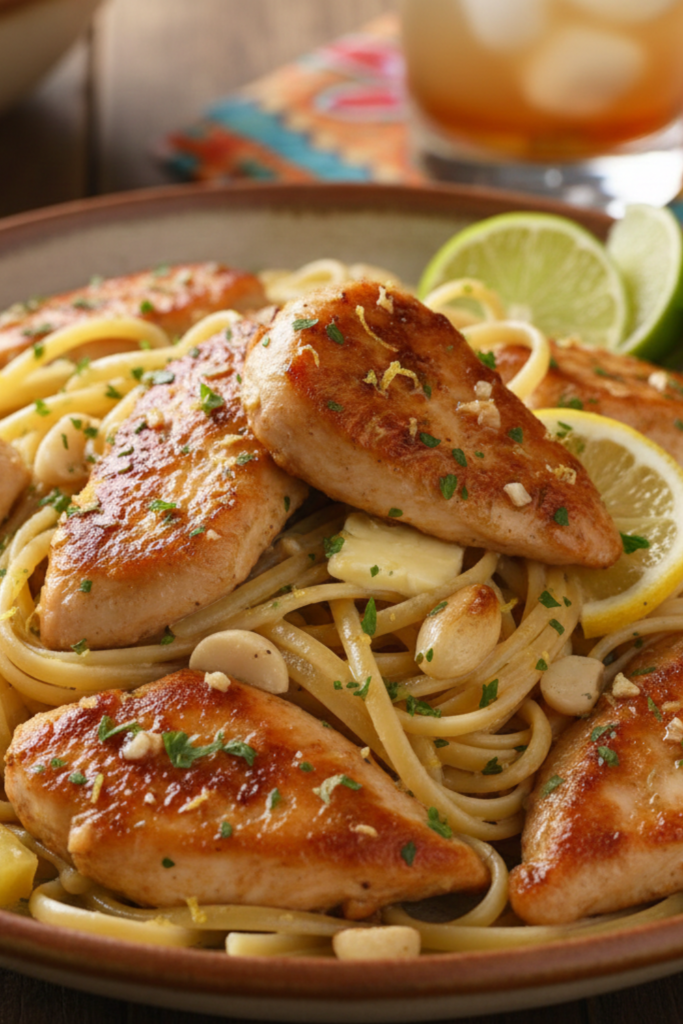
Honestly, making this Chicken Scampi always makes me feel like I’ve finally mastered the kitchen, even on days when I feel like a total mess. It is just one of those meals that looks so fancy but is secretly easier than folding a fitted sheet. I really hope these tips help you avoid that bitter burnt garlic I used to struggle with! Once you see your family digging into those buttery, lemony noodles, you’ll know exactly why this is a staple in my house.
Don’t be afraid to experiment with the flavors—sometimes a little extra lemon or a bigger pinch of red pepper flakes is exactly what the soul needs. Cooking is supposed to be fun, not a stressful test! If you enjoyed this recipe, please take a second to share it on Pinterest so others can find this easy weeknight win too!