“Life is short… eat the cake!” You know, there is something undeniably nostalgic about the smell of cinnamon baking in the oven. It takes me right back to my grandmother’s kitchen, waiting for those cracked, sugary cookies to cool down. But what if we took that classic cookie and turned it into a show-stopping cake? That is exactly what we are doing today! I have tested this recipe a dozen times to ensure it has that signature tangy flavor—thanks to the cream of tartar—and the perfect soft crumb. Whether you are baking for a birthday or just a Tuesday night craving, this Snickerdoodle Cake is going to blow your mind. Let’s get that mixer spinning!
Why This Snickerdoodle Cake Recipe Works
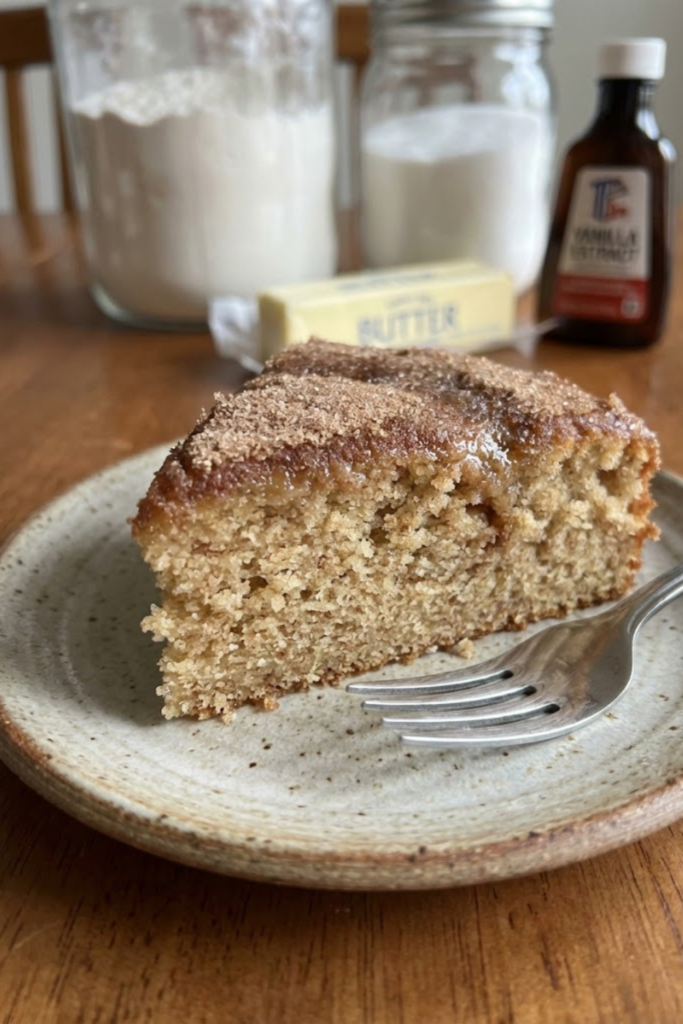
I used to think Snickerdoodles were just sugar cookies rolling around in cinnamon. Boy, was I wrong. My first attempt at adapting this into a cake tasted like a boring, flat vanilla sponge. It totally lacked that signature zing you get from the cookie. After a few kitchen disasters and a lot of wasted flour, I realized I was missing the heavy hitter: cream of tartar. This recipe isn’t just thrown together; it is built on some solid baking science that I learned the hard way.
The Science of Cream of Tartar
You might see this little jar of white powder in your spice rack and ignore it. Don’t do that here! Cream of tartar is an acid, and it is actually the secret weapon for that tangy cake flavor. It reacts with the baking soda to create carbon dioxide bubbles, which helps the cake rise and get fluffy.
Without it, you are basically just eating cinnamon toast in cake form. I once tried using lemon juice as a cream of tartar substitute, and let me tell you, it was a weird, soggy mess. Stick to the powder for that authentic taste.
Butter vs. Oil: The Great Debate
I have fought with dry cakes for years. Seriously, nothing is worse than a crumbly mess that needs a gallon of milk to wash down. I found that using all butter tastes amazing but tends to dry out the crumb if you bake it even a minute too long. On the flip side, using all oil keeps a moist vanilla cake texture for days but lacks that rich flavor.
So, I decided to break the rules and use both. The butter provides that creamy, savory base we crave. The vegetable oil coats the flour proteins and keeps the cake tender. It is the best of both worlds, really.
The Cinnamon Swirl Factor
The swirl isn’t just for looks, though it is pretty cute. It is about getting that cinnamon sugar swirl punch in every single bite. I used to just dump the cinnamon straight into the batter. Big mistake.
It turned the whole thing brown and muddy, and the flavor got lost. By layering the cinnamon sugar mixture, you create pockets of intense sweetness that break up the soft cake. It creates a texture contrast that is honestly addicting. Plus, it looks like you worked way harder than you actually did.
Preventing the “Dense Brick” Effect
One major thing I learned is to watch your mixing speed. If you overmix this batter, the gluten develops too much, and you lose that soft snickerdoodle texture. I like to stop the mixer when I still see a few streaks of flour.
Then, I finish mixing by hand with a spatula. It sounds picky, but it makes a huge difference in keeping the crumb light. We want a fluffy cake, not a doorstop. Trust me on this one.
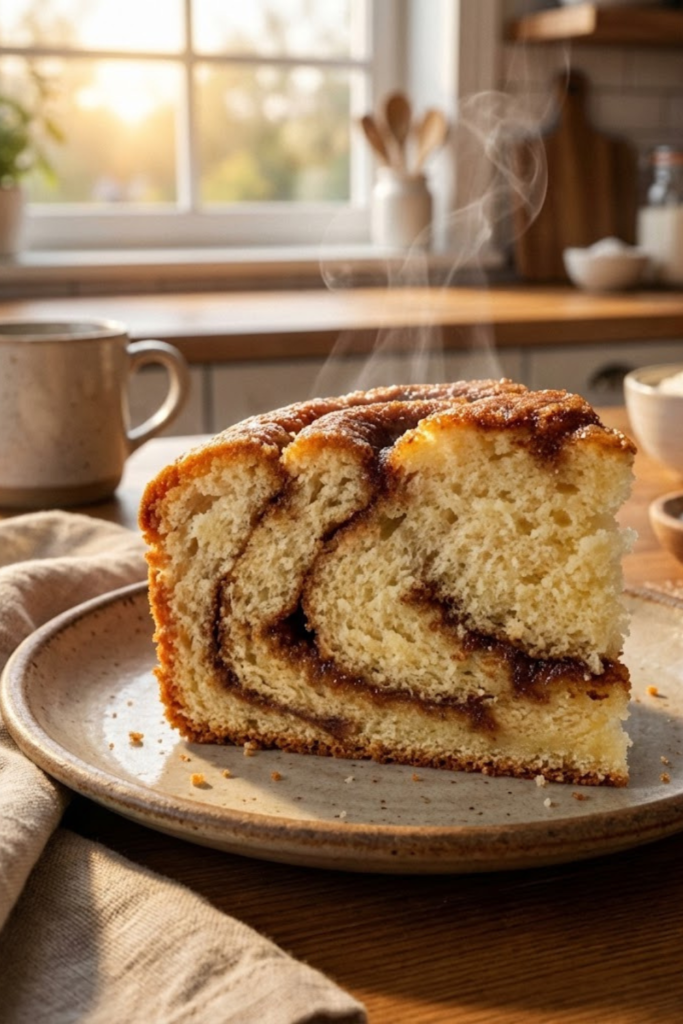
Essential Ingredients for Snickerdoodle Perfection
I used to be that baker who would decide on a whim to bake a cake at 9 PM on a Tuesday. I’d pull cold eggs straight from the fridge and rock-hard butter from the freezer, thinking I could just “make it work.” Spoiler alert: I could not make it work. The result was usually a clumpy batter that baked unevenly. Over the years, I’ve learned that for a recipe like this—where the flavor is simple—the quality and state of your ingredients matter a ton. You can’t hide behind chocolate chips here.
The Temperature Talk
If you take one thing away from this post, let it be this: use room temperature ingredients. I know, it is annoying to wait. But when your butter, eggs, and milk are all at the same temp (around 70°F), they form a smooth emulsion.
When I used cold eggs in creamed butter, the batter curdled instantly. It looked like broken cottage cheese. Gross, right? The fat clumps up, and you end up with a greasy, dense cake. I usually set my ingredients out about an hour before I start. If you are in a rush, put the eggs in a bowl of warm water for ten minutes. It’s a total lifesaver.
Cinnamon Snobbery
Okay, I admit it, I have become a bit of a cinnamon snob. For the longest time, I just used whatever generic bottle had been sitting in my cabinet since 2018. But for a Snickerdoodle Cake, the cinnamon is the star of the show.
I highly recommend splurging a little on Saigon cinnamon. It has this intense, spicy-sweet kick that standard grocery store cinnamon just doesn’t have. Ceylon cinnamon is okay too, but it’s much milder and more floral. We want that punchy heat that pairs perfectly with the sugar. If you use old, dusty spices, your cake is going to taste like old, dusty spices. It really makes a difference.
Flour Power: Cake Flour vs All Purpose
This was another hard lesson for me. I used to think flour was just flour. But when it comes to cake flour vs all purpose, the texture change is massive. All-purpose flour has a higher protein content, which means more gluten.
More gluten equals a chewier, bread-like texture. We want a tender, melt-in-your-mouth crumb. Cake flour is milled finer and has less protein, giving you that velvety texture.
If you don’t have cake flour, don’t panic. I’ve been there. You can make a DIY version by measuring one cup of all-purpose flour, removing two tablespoons, and replacing them with cornstarch. Sift it like crazy. It mimics the softness of cake flour pretty well.
The Leavening Agents
Finally, let’s chat about baking powder and soda. Since we are using cream of tartar (an acid), we need baking soda to react with it. That reaction creates the lift. I also add a bit of baking powder just to give it that extra fluffiness.
Make sure your leavening agents aren’t expired! I once baked a flat pancake of a cake because my baking soda was three years old. Write the date on the can when you open it. It saves you so much heartache later.
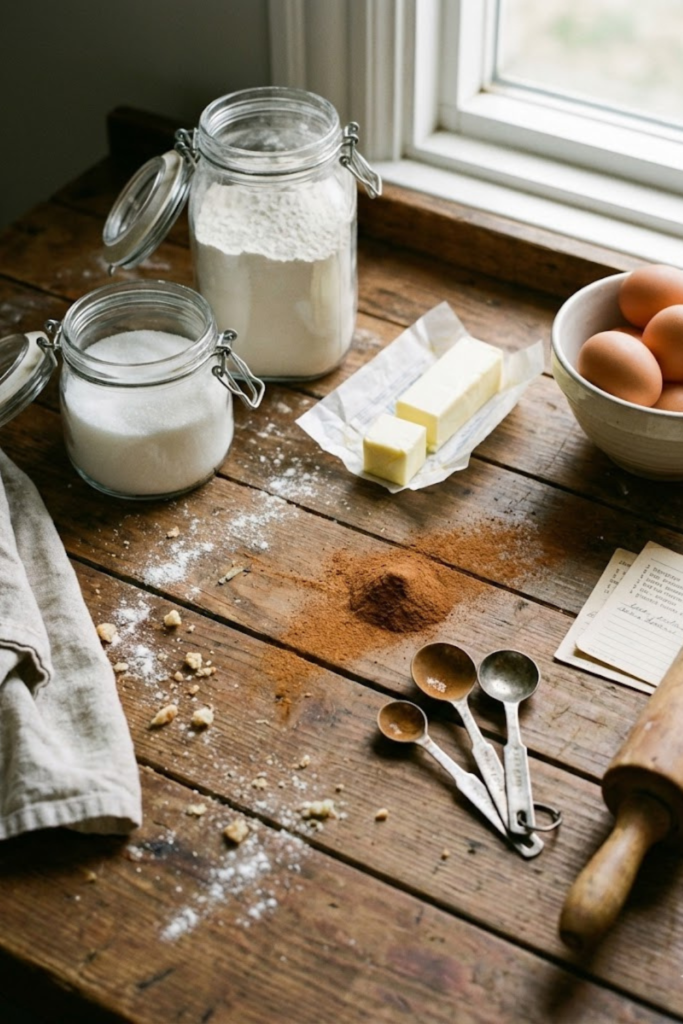
Step-by-Step: Mixing the Batter
Mixing batter feels like it should be the easy part, right? You just dump everything in a bowl and hit “on.” Well, that is exactly how I ruined my first three attempts at scratch baking. I used to treat my mixer like a race car, revving it to high speed immediately. The result was usually a kitchen covered in flour dust and a cake that tasted like a dense rubber tire. Learning to respect the process—specifically the order of operations—changed everything for me. It turns out, there is a method to the madness.
The Art of the Creaming Method
The first step is usually where people mess up, and I was definitely one of them. The recipe says “cream butter and sugar,” so I would mix it for maybe thirty seconds until it looked combined. Big mistake. You aren’t just mixing ingredients; you are punching millions of tiny air holes into the fat.
This creaming method is what gives you that fluffy cake texture. If you skimp on this, your cake will be heavy. Now, I set a timer for a full five minutes. Seriously, five whole minutes. I let my stand mixer run on medium-high until the mixture looks pale, almost white, and has doubled in volume. It looks like a cloud.
If you are using a hand mixer, your arm might get tired, but push through! It is worth the burn. Also, here is one of my favorite Kitchen Aid mixer tips: that little divot at the bottom of the bowl is a trap. Butter loves to hide there. If you don’t stop and scrape the bowl down halfway through, you’ll end up with streaks of unmixed butter in your final batter. I learned that the hard way when I bit into a pocket of pure grease in a finished cupcake. Yuck.
The Dry-Wet-Dry Dance
Once your butter and sugar are fluffy, you add the eggs one by one. Then comes the tricky part: adding the flour and the liquid. I used to just dump all the milk and all the flour in at once because I was impatient. The batter would separate, looking curdled and gross.
The secret is the alternating method. You add a third of the dry ingredients, mix just until the flour disappears, then add half the liquid. Repeat. End with the dry ingredients. This is basic baking science, but it prevents the batter from breaking.
It also stops you from overworking the gluten. Remember, we want a soft crumb, not a chewy bread. I always switch to low speed for this part. As soon as I see the last streak of flour vanish, I kill the motor. If you overmix here, all that beautiful air you created earlier will get knocked out.
Mastering the Cinnamon Swirl
Now for the fun part: the cinnamon sugar swirl. This is what transforms a plain vanilla cake into a Snickerdoodle masterpiece. The first time I did this, I got too aggressive. I poured the cinnamon sugar in and stirred it with a big spoon.
It just blended into the batter, turning it a weird tan color. No swirl, just sadness. You have to be gentle. I pour about half the batter into the prepared pans, smooth it out, and then sprinkle a generous layer of the cinnamon sugar mixture. It should cover the batter completely.
Then, top it with the remaining batter. Here is the trick: take a butter knife and gently drag it through the batter in a zigzag pattern. Do not overdo it! You just want to ripple the sugar through, not mix it in fully. This creates those beautiful distinct lines you see when you slice it. It is messy, and you might get sugar on the counter, but that is just part of the fun.
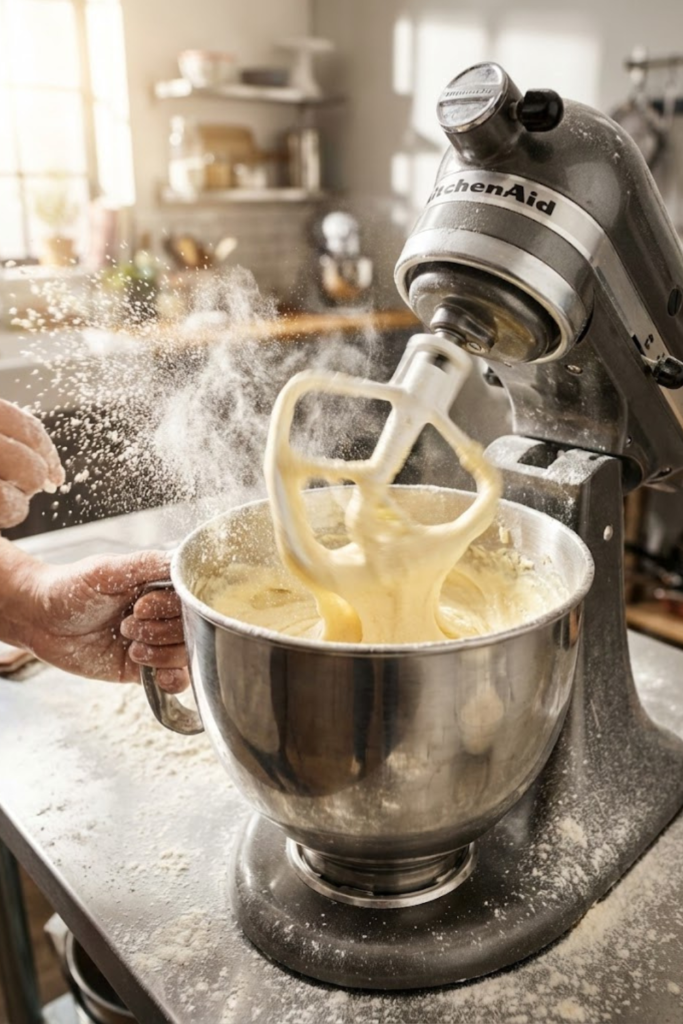
The Frosting: Brown Sugar Cinnamon Buttercream
I have a confession to make: for years, I was a “tub frosting” kind of girl. You know, those plastic containers from the grocery store that taste like chemical vanilla and sadness? I was terrified of making my own because I thought it required some kind of magic spell. My first attempt at a homemade American buttercream ended up being so stiff it ripped the cake apart when I tried to spread it. It was a disaster, and I ended up gluing the crumbs back together with tears and more frosting. But once you taste this brown sugar buttercream, you will never go back to the plastic tub again.
Choosing Your Fighter: Buttercream Base
There are two main camps in the frosting world: American and Swiss Meringue. Swiss meringue buttercream is silky, not too sweet, and feels like eating a cloud, but it is a pain to make if you are a beginner. It involves heating egg whites and praying they don’t scramble.
For a Snickerdoodle cake, I actually prefer an American style base. It’s sweeter, grittier, and mimics that sugary cookie coating we all love. However, I swap out half the powdered sugar for brown sugar. This gives it a deep, caramel-like flavor that pairs perfectly with the cinnamon sponge. It’s a sweet and salty dessert dream come true.
The Gritty Truth About Brown Sugar
Here is the mistake I made the first time: I just dumped the brown sugar in with the butter and mixed it for thirty seconds. Big mistake. The frosting turned out crunchy, like I had spilled sand in it.
The trick is to beat the butter and brown sugar together for a long time before adding anything else. I’m talking about five to seven minutes on high speed. You want the sugar crystals to dissolve into the fat. If you rush this step, your cinnamon buttercream frosting will have a weird texture.
Also, don’t skimp on the salt! I use salted butter and a pinch of kosher salt. It cuts through the sugar so your teeth don’t hurt after one bite. It balances everything out beautifully.
Getting that Bakery-Smooth Finish
Have you ever made frosting that looked like a sponge because it was full of air bubbles? That used to happen to me every single time. I would whip it on high speed at the end to make it fluffy, which actually just trapped air inside.
The secret I learned from a YouTube rabbit hole is to switch to the paddle attachment for the final step. Once your frosting is made, turn the mixer down to the lowest setting (“stir”) and let it run for two minutes. It pushes the air bubbles out and smashes the frosting against the side of the bowl.
The result is a silky, smooth consistency that spreads like a dream. It makes you look like a pro baker, even if you are just winging it in your pajamas. This extra step is totally worth it for that perfect finish.
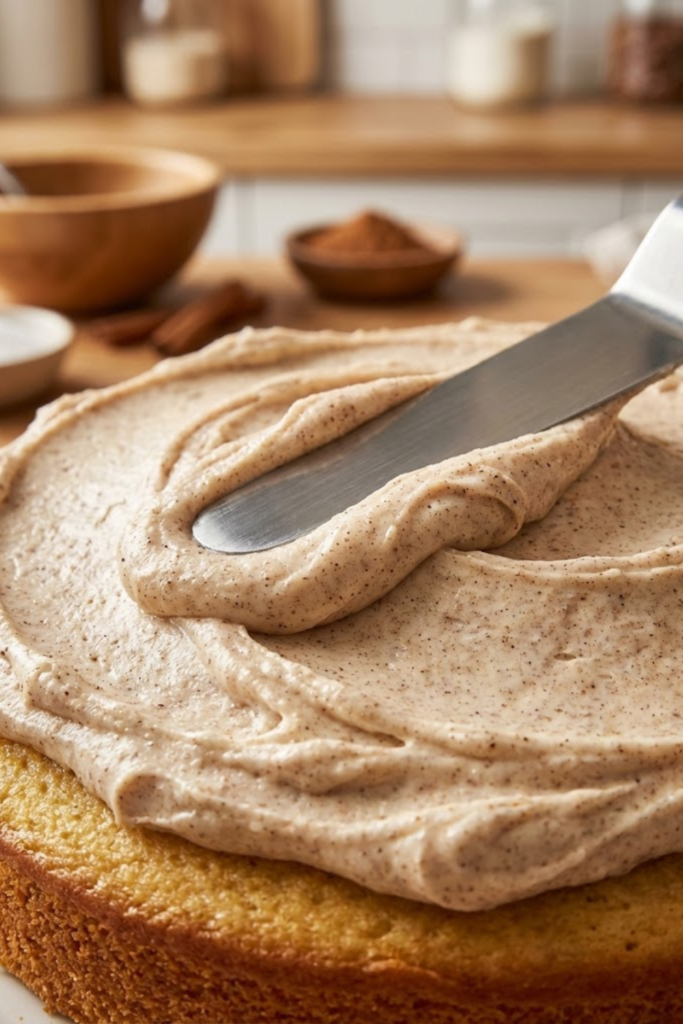
Assembly and Decoration Ideas
I used to think that once the cake was out of the oven, the hard work was done. Hah! That was cute of me. My first layer cake looked less like a bakery masterpiece and more like the Leaning Tower of Pisa. I tried to stack the layers while they were still warm (impatient, much?), and the frosting melted instantly. The top layer slid right off and landed on the counter with a sad splat. I may have eaten it off the counter with a fork, but that’s a story for another day. Cake decorating for beginners can feel totally overwhelming, but honestly, it’s just about patience and hiding your mistakes with extra sugar.
Stacking Without the Slide
If your cake layers come out of the oven looking like little domes, don’t just stack them like that! I did that once, and there was a giant gap of air in the middle. When I cut into it, the whole thing collapsed. You gotta level them.
I grab my trusty serrated bread knife and saw off the rounded tops. It feels wasteful, but hey, those scraps are the “baker’s tax.” I usually snack on them while I work. Having a flat surface is critical for a straight stack. Also, put a dab of frosting on your cake board before you put the first layer down. It acts like glue so your cake doesn’t slide off the plate while you are frosting it. I learned that trick after almost dropping a birthday cake on my cat.
The “Ugly Duckling” Phase
Okay, let’s talk about the crumb coat. This is the step I used to skip because I was lazy. I would just slap a ton of frosting on, and then get mad when brown crumbs got mixed into my white frosting. It looked dirty and messy.
The crumb coat technique is basically just a thin layer of frosting that traps all those loose crumbs. It looks ugly. Seriously, you will look at it and think, “I ruined it.” You didn’t. Stick it in the fridge for twenty minutes until it hardens. Then, when you add the final layer of frosting, it glides on smooth and clean. It changes everything. It turns a messy home bake into a legit dessert table centerpiece.
Simple Garnishes for the Win
I am not a professional piping artist. My hands shake too much for those intricate flowers. So, I lean into the “rustic” look. It’s a nice way of saying “messy on purpose.” For this Snickerdoodle Cake, you don’t need fancy roses.
I like to take a handful of cinnamon sugar and gently blow it onto the sides of the cake. It gives it a sparkly, finished look. If I’m feeling fancy for holiday baking 2026, I’ll stick a few whole cinnamon sticks on top or even some mini snickerdoodle cookies. It tells people exactly what flavor they are about to eat. Plus, it adds a nice crunch. Don’t overthink it. Sometimes the simplest decorations are the most appetizing. Just have fun with it!
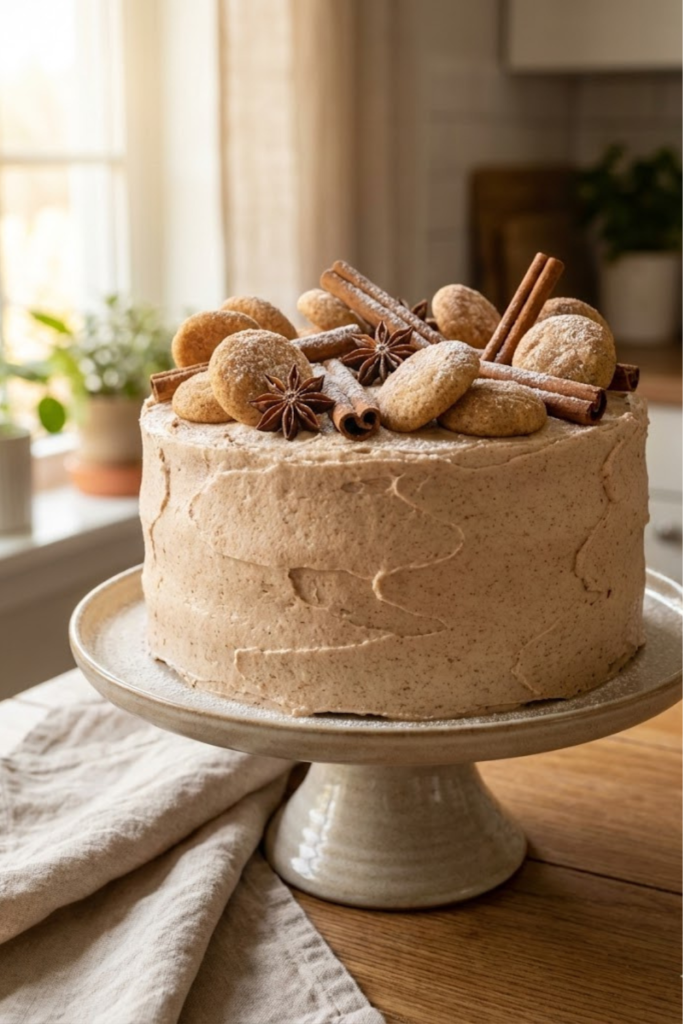
Well, we finally made it to the finish line without burning the kitchen down. Honestly, this Snickerdoodle Cake has become my absolute favorite thing to bake for birthdays or just when I’m having a rough week. It has that perfect mix of tangy cake flavor from the cream of tartar and that sweet, cozy comfort from the cinnamon that people just go nuts for. I remember the first time I served this to my family; there wasn’t even a crumb left on the platter. It makes all the measuring, mixing, and flour-spilling totally worth it.
If you decide to give this recipe a shot, I’d really love to hear how it turned out for you. Did you nail that cinnamon sugar swirl? Or maybe you decided to add your own twist to it? Baking is really all about experimenting and having a good time in the kitchen, so don’t stress about it being perfect. Just have fun with it!
Call to Action: Did this recipe make you hungry? Pin this recipe to your “Best Cakes of 2026” board on Pinterest so you don’t lose it!