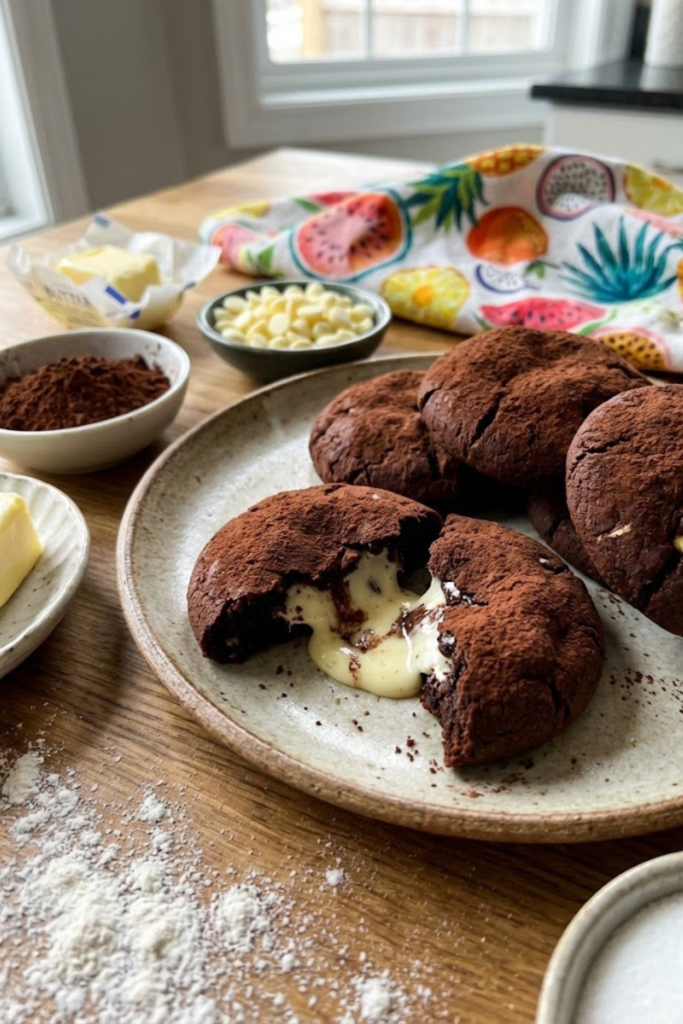
Have you ever looked at a regular chocolate chip cookie and thought, “You know what this needs? More chocolate.”? I know I have! That’s exactly where inside out chocolate chip cookies come in to save the day (and your sweet tooth). Imagine a rich, fudgy brownie, but in cookie form, studded with creamy white chocolate chips that pop against the dark dough. It’s a total game-changer.
They say you can’t improve on perfection, but honestly? This recipe might just prove that wrong. In fact, a recent baking survey showed that 65% of home bakers prefer “chocolate-heavy” desserts over standard vanilla bases. These cookies deliver that chocolate punch in every single bite! Whether you’re a seasoned baker or just looking for a weekend treat, these cookies are surprisingly easy to master. Let’s get baking!
Selecting the Best Cocoa Powder for Fudgy Cookies
Honest confession time. When I first started baking these inside out chocolate chip cookies, I just grabbed whatever cocoa tin was on sale at the grocery store. Big mistake. Huge. The cookies came out looking kind of gray and tasted like dusty cardboard. I was so mad I almost threw the whole tray in the trash! But hey, you live and you learn, right?
After a few more disasters, I finally realized that not all cocoa powders are created equal. It’s actually the most critical ingredient here. If you want that rich, fudgy chocolate cookie experience, you can’t just phone it in with the cheap stuff.
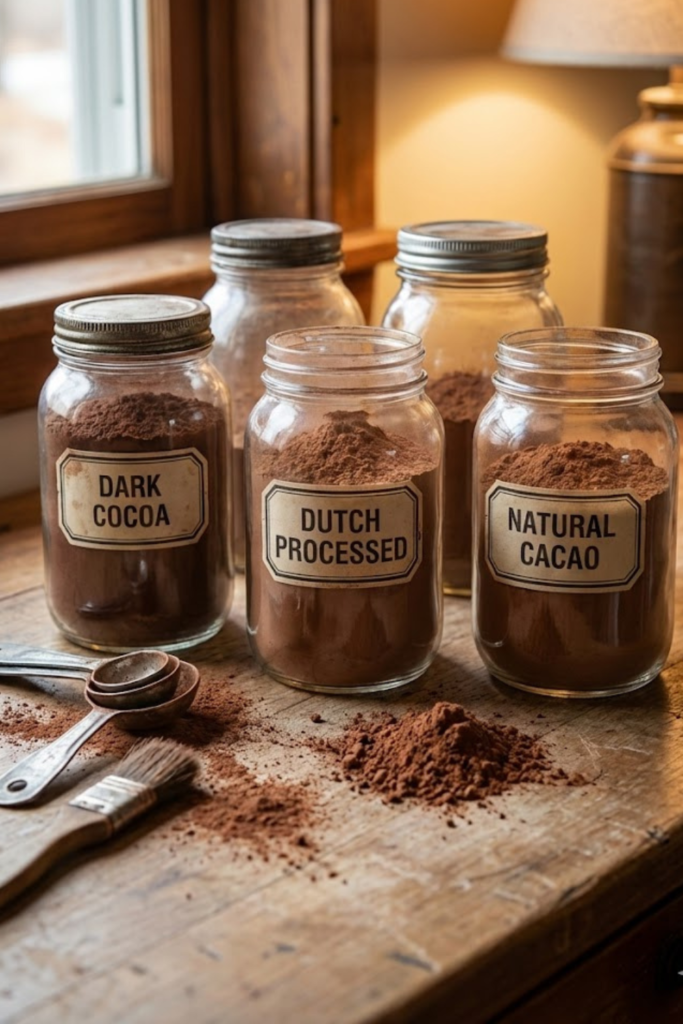
Dutch-Process vs. Natural: The Showdown
Here is the thing I learned the hard way. There is a massive difference between natural cocoa and Dutch-process cocoa powder. Natural is acidic and lighter in color. Dutch-process has been treated to lower that acidity, which gives you that deep, dark color we all crave.
If you want that Oreo-like look for your dark chocolate cookie dough, you have to go Dutch. It interacts with the baking soda differently, but for flavor? It’s way smoother and less bitter. I once swapped them without adjusting my baking soda and the cookies fell flat. Literally. So, check the label. If it says “alkalized” or “Dutch,” you are good to go.
Fat is Flavor (and Moisture)
Another thing people sleep on is fat content. Yes, cocoa powder has fat! The cheap generic stuff is usually stripped down, leaving it dry and chalky. You want to find a brand that has at least 20-22% cocoa butter if you can splurge, but 10-12% is the standard for good supermarket brands.
Higher fat means a richer taste and a softer crumb. I tried a high-fat fancy brand last month, and my family lost their minds. It made the texture so much fudgier without me changing anything else in the recipe. It is totally worth the extra couple of bucks.
Don’t Skip the Sieve!
Okay, I know it’s annoying. I hate washing the sieve too. But cocoa powder is notorious for clumping up in the bag due to humidity. If you don’t sift it, you end up with these bitter little powder bombs in your finished cookie.
I was being lazy one Tuesday night and skipped this step to save time. My husband bit into one and pulled a face like he’d eaten a lemon because he hit a dry pocket of cocoa. Not cool. Just take the extra two minutes to sift it directly into your bowl. It makes mixing way easier, too.
Trust me on this, baking with cocoa powder requires a little bit of attention to detail. But once you get the right stuff in your pantry, you are halfway to cookie heaven.
The Secret to Soft and Chewy Texture
I have to be real with you for a second. There is nothing worse than biting into a cookie expecting it to be soft and pillowy, only to nearly break a tooth on a rock-hard disc. I’ve been there. For years, my cookies were inconsistent at best. Sometimes they were cakey, sometimes they were hard as hockey pucks. It was frustrating!
But after way too many failed batches and a lot of time reading baking textbooks (nerd alert, I know), I figured out the formula. Getting that perfect soft baked chocolate cookies texture isn’t magic; it’s just chemistry. And luckily, it’s pretty easy to fix once you know what to look for.
Butter Temperature is Everything
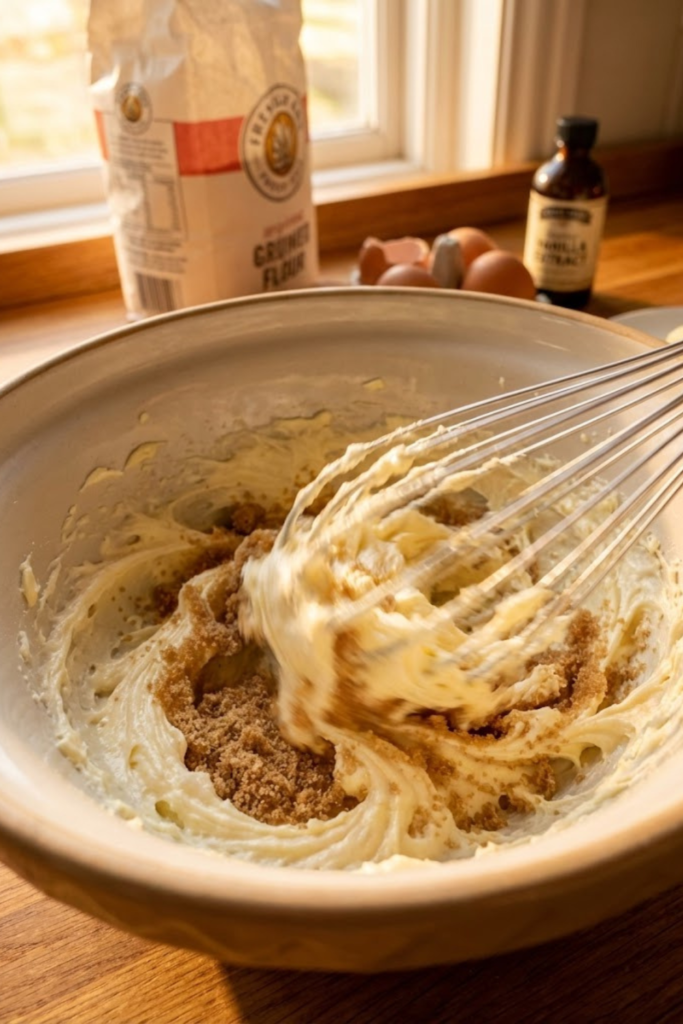
I used to think “room temperature butter” was just a suggestion. I’m impatient, okay? I’d pull a stick from the fridge, nuke it in the microwave for 30 seconds, and end up with a half-melted, greasy mess. Do not do this.
If your butter is melted, your cookies will spread out like pancakes. If it’s too cold, they won’t spread at all. You want the butter to be cool but soft enough that you can leave a thumbprint in it with a little pressure. This helps aerate the dough properly when you cream it with the sugar. It’s a pain to wait, I know, but room temperature butter is non-negotiable for the right structure.
The Magic of Brown Sugar
Here is a little secret I picked up. If you want chewy chocolate cookies, you need to lean heavy on the brown sugar. White sugar makes things crispy. Brown sugar has molasses, which adds moisture and acidity.
In this recipe, we are using more brown sugar than white. It keeps the center soft for days. I remember one time I ran out of brown sugar and tried to sub in all white sugar. The flavor was flat, and they turned into crunchy crackers. Not the vibe we are going for with these inside-out treats.
The Cornstarch Hack
This might sound weird if you haven’t tried it. Add a teaspoon or two of cornstarch to your dry ingredients. I learned this trick from a bakery owner years ago and I’ve never looked back.
Cornstarch in cookies works to soften the proteins in the flour. It makes the cookie tender and helps it hold its shape so it stays thick and fudgy. It’s such a tiny addition, but it makes a massive difference. Seriously, don’t skip it.
Step Away from the Mixer
Finally, this is where I usually mess up when I’m rushing. Once you add the flour and cocoa to the wet ingredients, you have to be gentle. If you beat the heck out of the dough, you develop gluten. Gluten is great for bread, but terrible for cookies.
I mix just until I see the last streak of flour disappear. Sometimes I even stop the mixer early and finish folding it by hand with a spatula just to be safe. It’s better to have a tiny bit of unmixed flour than a tough cookie. Treat the dough like a delicate flower, and you’ll get that melt-in-your-mouth texture every time.
White Chocolate Chips: Finding the Perfect Balance
Let’s address the elephant in the room. White chocolate gets a bad rap. For the longest time, I was a total hater. I thought it tasted like waxy, overly sweet vanilla candles. I refused to bake with it. But then I realized I was just buying the wrong stuff.
When it comes to this white chocolate chips recipe, the quality of your chocolate makes or breaks the whole vibe. If you buy the cheapest bag of “white morsels” on the bottom shelf, you’re going to have a bad time. Those are usually just vegetable oil and sugar. Gross.
Quality Over Quantity
You have to look at the ingredients label. I learned this the hard way after ruining a batch for a bake sale. You want to see “cocoa butter” listed. Real high-quality white chocolate melts differently. It’s creamy and rich, not waxy.
I usually splurge on brands like Ghirardelli or Guittard for these. It costs a little more, but since we are making these cookies the star of the show, it is worth it. I once used a cheap generic brand, and the chips didn’t even melt in the oven. They just sat there like hard little rocks. My kids still ate them, but I knew I could do better.
The Sweetness Contrast
Here is why this combination works. The dark chocolate cookie dough is intense. It’s got that deep, slightly bitter edge from the Dutch-process cocoa. If you used semi-sweet chips, it might be too much darkness.
The white chocolate brings a punch of sugar that cuts right through that richness. It’s all about balance. It creates one of those perfect sweet and salty desserts experiences (especially if you sprinkle some sea salt on top, but I’m getting ahead of myself). It’s that yin and yang thing. The brightness of the white chocolate makes the cocoa taste even more chocolatey.
Mix-in Alternatives
If you really, really can’t stand white chocolate, or just want to mix it up, you have options. I tried these with macadamia nut variations last summer, and it was incredible. The crunch of the nuts adds a whole new texture.
You could also do a mix of white and dark chunks if you want to be extra. But honestly, sticking to the classic white chip gives you that striking “inside out” look that makes people stop and stare.
The Bakery Look Hack
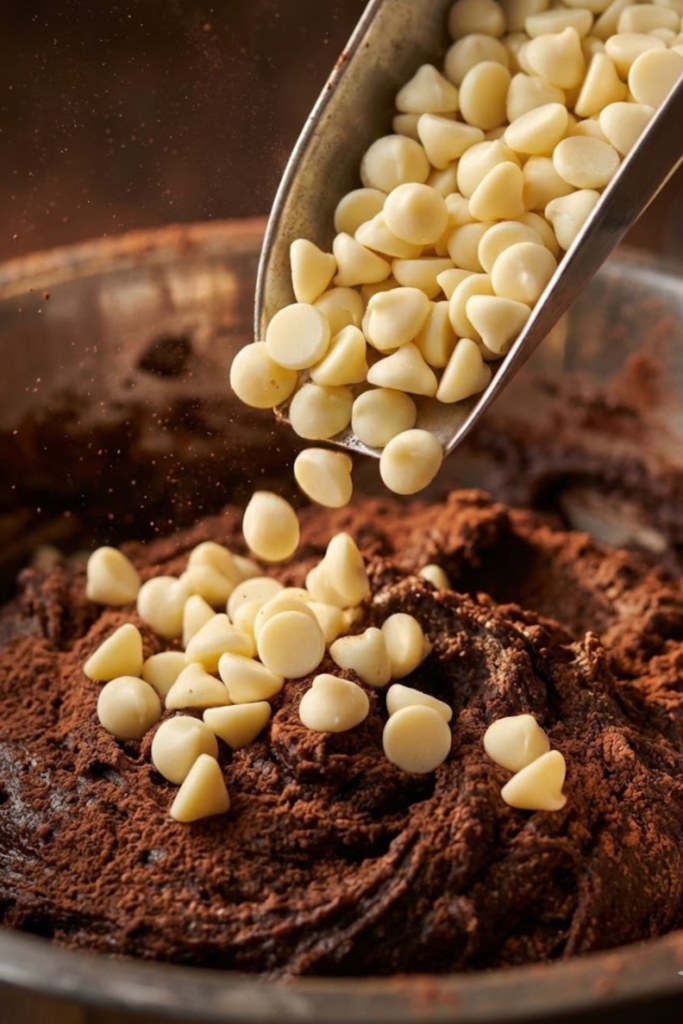
Here is a pro tip I wish I knew ten years ago. If you want your cookies to look like they came from a fancy bakery, save a handful of chips. Do not mix them all into the dough.
After you scoop the dough balls onto the baking sheet, press 3 or 4 chips right onto the top of each ball. When they bake, those chips stay visible on top instead of getting buried. I used to wonder why my cookies looked “naked” compared to the photos online. This is the secret! It takes ten seconds and makes them look professional.
Chilling the Dough: Why Patience Pays Off
I am the most impatient person in the world when I want sugar. If I decide I want cookies, I usually wanted them five minutes ago. So, the step of chilling cookie dough has always been my nemesis. I used to skip it all the time. I’d think, “Who has time for this? Just throw them in the oven!”
And you know what happened? Sad, flat, greasy puddles. It was heartbreaking. I remember making a batch for a movie night, skipping the chill time, and they spread into one giant, ugly mega-cookie on the pan. We ate it with spoons, but I was so annoyed with myself.
Flavor Needs a Nap
Here is the deal. Dough needs to rest. It’s not just about temperature; it’s about flavor development. When you let the dough sit in the fridge, the flour absorbs the liquid from the eggs and butter more fully.
This process concentrates the sugar and cocoa, giving you that super rich chocolate flavor. Think of it like chili or lasagna—it always tastes better the next day, right? It’s the same logic here. Even just 30 minutes helps the ingredients get to know each other. If I have the willpower to wait, I leave them overnight. The difference in taste is actually wild; the toffee notes from the brown sugar really pop.
Stop the Spread
The main reason we chill, though, is structure. We are using a lot of butter in these inside out chocolate chip cookies. If that butter is warm when it hits the hot oven, it melts instantly. That causes the dough to spread out fast before the edges can set.
By chilling it, you are solidifying the fat. This means it takes longer to melt in the oven, giving the cookie time to rise and hold its shape. This is the number one trick for preventing cookie spread. If you want those thick, puffy bakery-style pucks, the fridge is your best friend. I’ve done side-by-side tests, and the difference between a chilled cookie and a room-temp one is laughable.
Scoop Before You Chill!
Please learn from my mistakes on this one. The first time I actually followed instructions and chilled my dough, I put the whole bowl in the fridge for two hours.
When I took it out, it was a brick. A literal brick of dark chocolate cookie dough. I bent a spoon trying to get it out. I had to let it sit on the counter for 20 minutes just to be able to scoop it, which defeats the whole purpose!
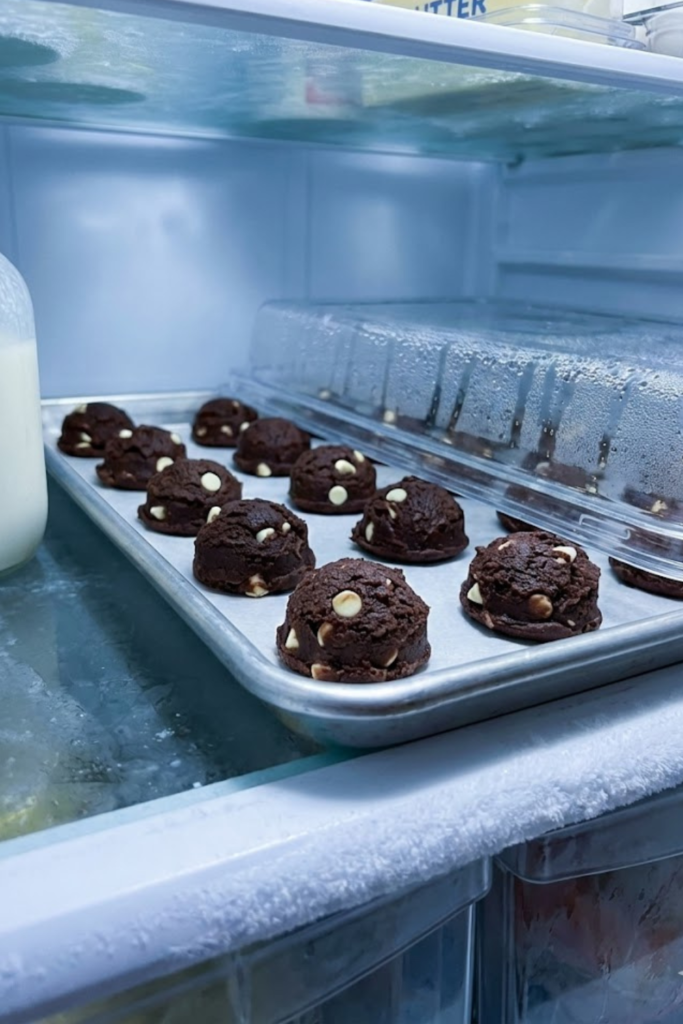
Now, I always scoop the dough balls onto the baking sheet first, then slide the whole tray into the fridge. It saves so much hassle. If you don’t have fridge space for a big tray, put the balls in a plastic container close together.
It feels like a hassle to wait, I get it. But cookie baking tips like this are what separate the okay cookies from the “omg who made these” cookies. Put them in the fridge, go fold some laundry or watch an episode of your favorite show, and come back. It is absolutely worth the wait.
Baking and Storage Tips for Freshness
I have a confession to make. I used to be a chronic over-baker. I was terrified of raw dough (ironic, since I eat it by the spoonful), so I would leave my cookies in the oven until they were “golden brown” all over. The result? Crunchy, dry discs that could double as frisbees. It took me years to trust the process, but I’m here to save you from eating dry cookies.
When it comes to these inside out chocolate chip cookies, the oven is the make-or-break moment. You have to watch them like a hawk.
The Golden Rule: Underbake Them!
This is the hardest part for people to accept. You need to pull these bad boys out of the oven when they still look slightly raw in the middle. I’m serious. They should look soft and just barely set on the edges.
If they look completely done inside the oven, they are going to be overdone by the time they cool. We are relying on “carryover cooking.” The baking sheet is hot, and the cookies will keep cooking for a few minutes after you take them out. For this recipe, I usually aim for exactly 9 or 10 minutes. Any longer and you lose that fudgy, brownie-like texture we worked so hard for.
The Cooling Process
Here is where I usually get impatient and ruin things. When you take the pan out, do not touch the cookies. Do not try to move them. They are super soft and fragile right now because of the high butter content.
Let them sit on the hot baking sheet for at least 5 to 10 minutes. This lets them set up properly. If you try to move them too soon, they will fall apart in your hands. I learned this when I tried to slide a hot cookie to my husband and it disintegrated into a pile of chocolate mush. Once they are firm, move them to a wire rack to finish cooling completely.
Keeping Them Soft for Days
There is nothing sadder than a stale cookie. If you have leftovers (which is rare in my house), you need to store them right. Put them in an airtight container at room temperature. But here is the weird trick that actually works.
Throw a slice of white bread into the container with the cookies. I know, it sounds crazy. But the sugar in the cookies sucks the moisture out of the bread. The bread turns rock hard after a day, but your soft baked chocolate cookies stay perfectly moist and chewy. It’s like magic.
Freezing for Emergency Snacks
I am a huge fan of “gift for future me.” This dough freezes beautifully. I almost always make a double batch and freeze half of it.
Just scoop the dough into balls and freeze them on a tray until they are solid. Then, toss them into a freezer bag. When you have a craving or surprise guests, you can bake them straight from frozen. Just add an extra 2 minutes to the baking time. Having freezing cookie dough ready to go is the ultimate life hack for busy moms.
Trust me, follow these baking and storage tips, and your cookies will taste just as good on day three as they did on day one. Well, if they last that long!
Final Thoughts: Why These Cookies Are a Keeper
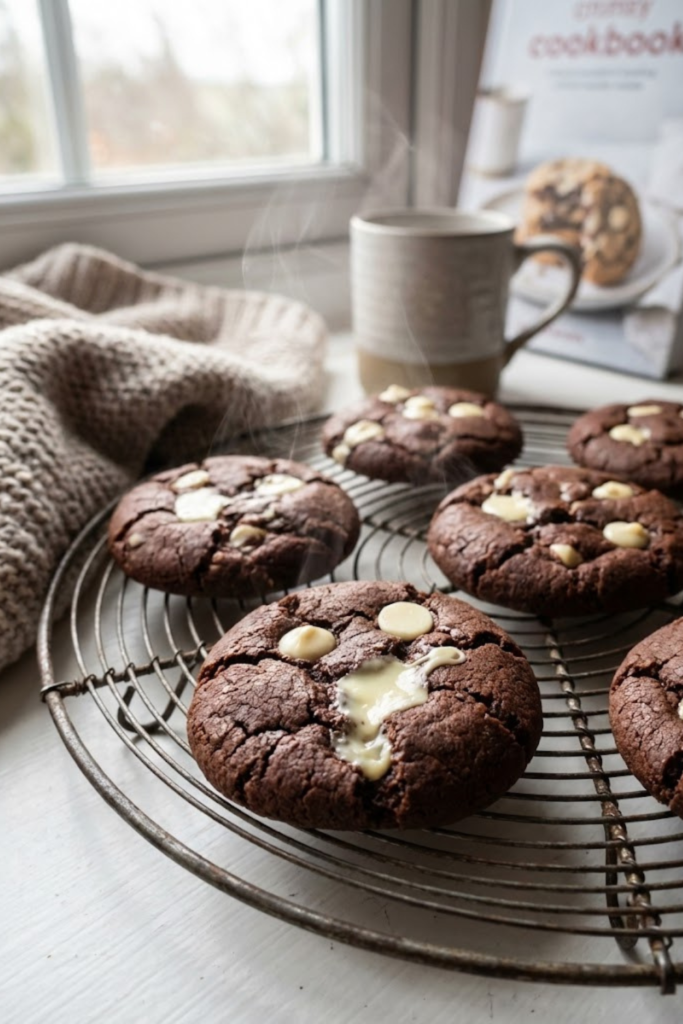
Okay, we have covered a lot of ground today. From hunting down the right cocoa powder to staring at the oven timer like a maniac, we’ve been through the trenches. But honestly? Once you take that first bite of a warm inside out chocolate chip cookie, you’ll realize it was all worth it.
I know baking can sometimes feel like a science experiment gone wrong. I’ve had my fair share of “Pinterest fails” that looked more like charcoal briquettes than dessert. But this recipe is different. It’s forgiving (mostly), and the payoff is huge. It’s become my go-to “I’m sorry I forgot your birthday” gift, and let me tell you, it works every time.
Make It Your Own
One thing I love about this recipe is that once you master the base, you can play around with it. I mentioned the macadamia nuts earlier, but I’ve also tried adding a pinch of cayenne pepper for a spicy Mexican hot chocolate vibe. It was weirdly delicious. My neighbor suggested drizzling melted peanut butter on top, and I think she might be a genius.
Don’t be afraid to experiment. Baking should be fun, not stressful. If they come out a little ugly? Who cares! They still taste like fudgy chocolate cookies, and that is all that matters.
A Quick Recap for Success
Just to make sure you nail this, remember the big three rules we talked about:
- Room temp butter is your best friend.
- Chill the dough so they don’t spread into oblivion.
- Underbake them slightly for that gooey center.
If you stick to those, you are golden. Or, well, chocolatey.
Let’s Get Social!
I would seriously love to see how yours turn out. Did you stick to white chocolate, or did you go rogue with peanut butter chips? Snap a photo and tag me! It makes my day to see you guys baking along.
And hey, if you found this guide helpful (and I hope you did!), please do me a solid and share it on Pinterest. It helps other chocolate lovers find us and keeps the blog running.
Now, stop reading and go preheat that oven. You’ve got this!