The Frambled Eggs recipe provides a unique twist on morning classics by perfectly blending light textures with rich flavors for a satisfying protein boost. Many home cooks discover that this Frambled Eggs recipe transforms boring morning routines into culinary highlights using pantry staples and simple heat control. Preparing this Frambled Eggs recipe requires minimal effort while ensuring a restaurant-quality finish that impresses every guest at your table. Whether you are a beginner or a veteran, mastering this specific Frambled Eggs recipe guarantees a consistent and delicious outcome every single time you cook.
| Prep Time | Cook Time | Total Time | Servings | Difficulty | Cuisine |
|---|---|---|---|---|---|
| 5 mins | 5 mins | 10 mins | 2 | Easy | Modern American |
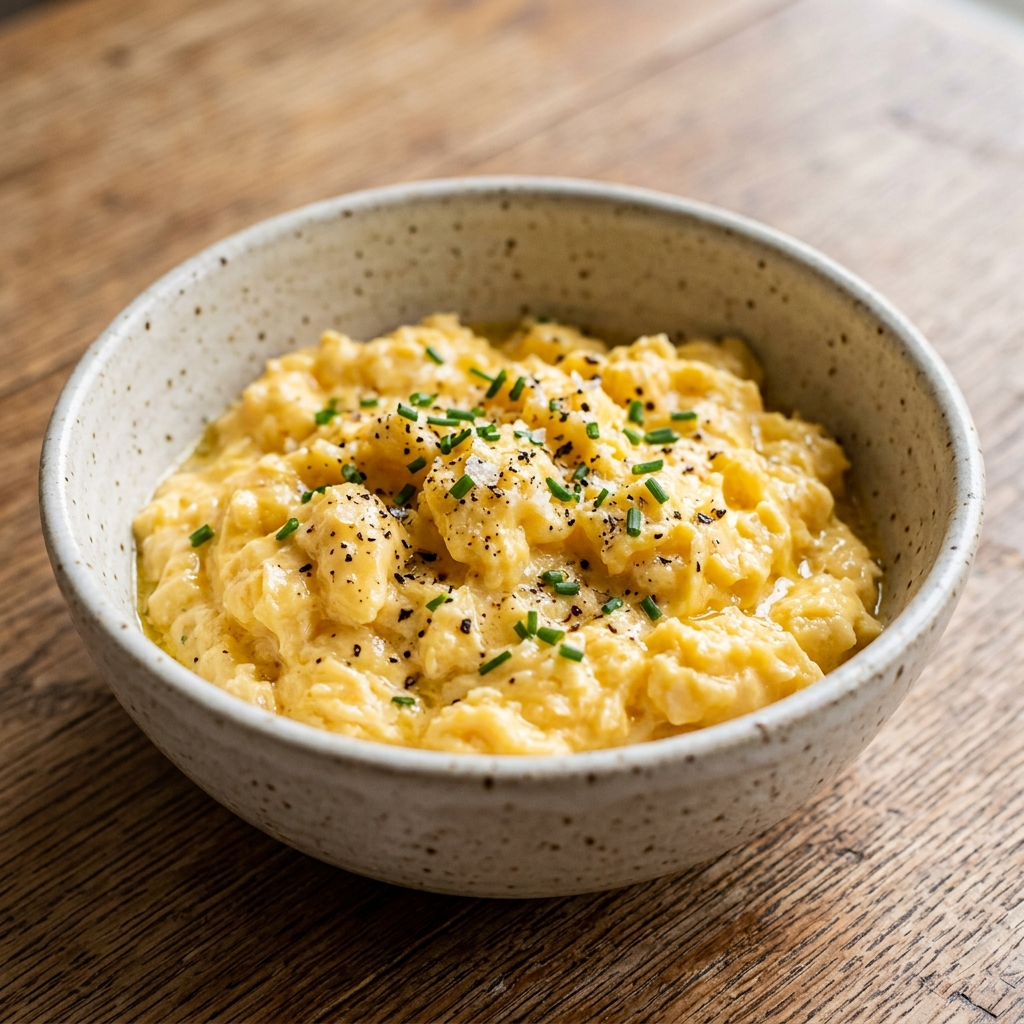
Table of Contents
Table of Contents
Why You’ll Love This Frambled Eggs Recipe
You will love this Frambled Eggs recipe because it balances creamy textures with a savory finish that standard scrambles often miss during the cooking process. My personal experience suggests that adding a small amount of fat early in the heat cycle makes every bite of this Frambled Eggs recipe feel incredibly luxurious and satisfying.
Simplicity defines this dish, making it the ideal choice for busy mornings when you want quality without spending hours standing at the stove. By following this Frambled Eggs recipe, you create a standard for breakfast that serves as a reliable go-to meal for families who appreciate homemade comfort and nutritional value.
Essential Ingredients for Your Frambled Eggs Recipe
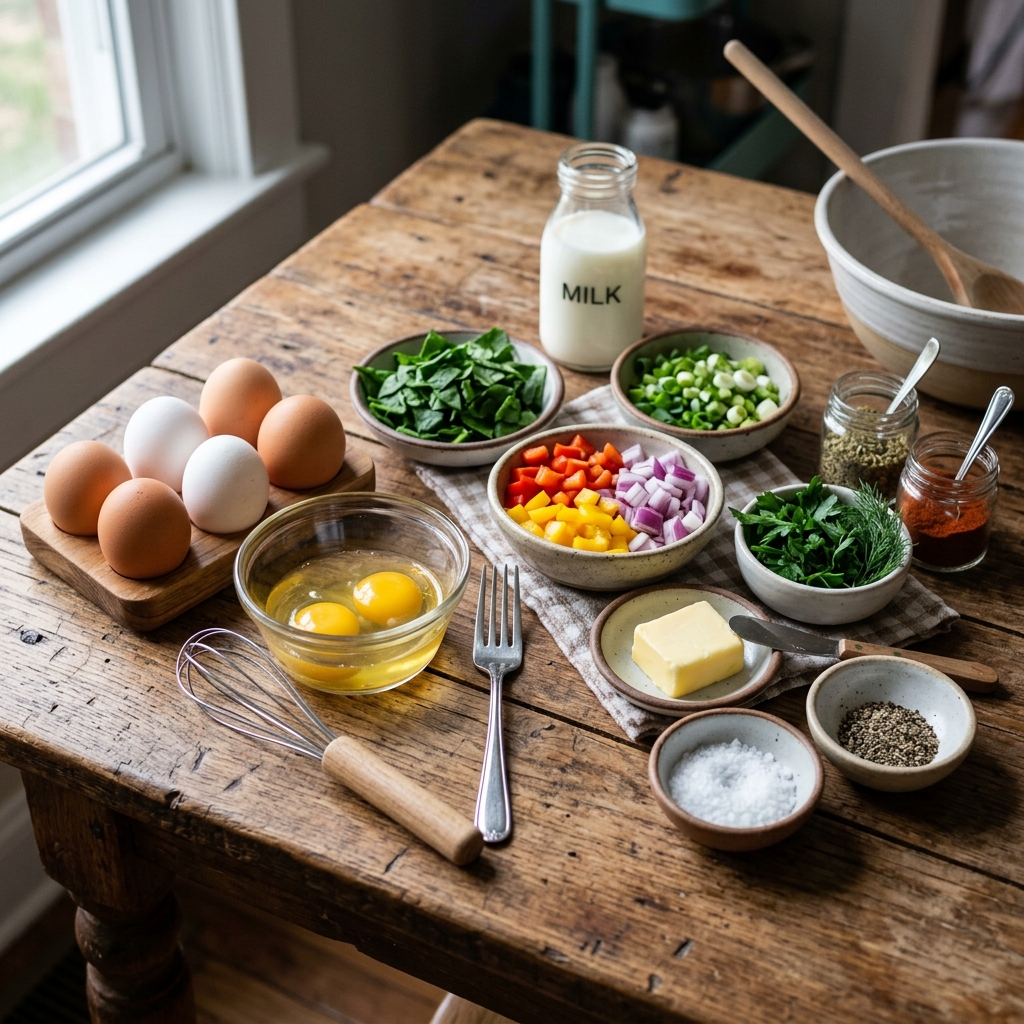
Choosing high-quality components for your Frambled Eggs recipe ensures the best possible flavor profile and texture for your finished breakfast dish. Please refer to this table for the core items required for your next batch of this Frambled Eggs recipe.
| Ingredient | Quantity | Notes & Substitutions |
|---|---|---|
| Large Eggs | 4 | Use pasture-raised for better color |
| Unsalted Butter | 1 tbsp | Substitute with avocado oil for dairy-free |
| Whole Milk | 2 tbsp | Use heavy cream for extra richness |
| Sea Salt | 1/4 tsp | Adjust according to personal preference |
| Black Pepper | 1/8 tsp | Freshly ground provides more aroma |
How to Make Frambled Eggs Recipe
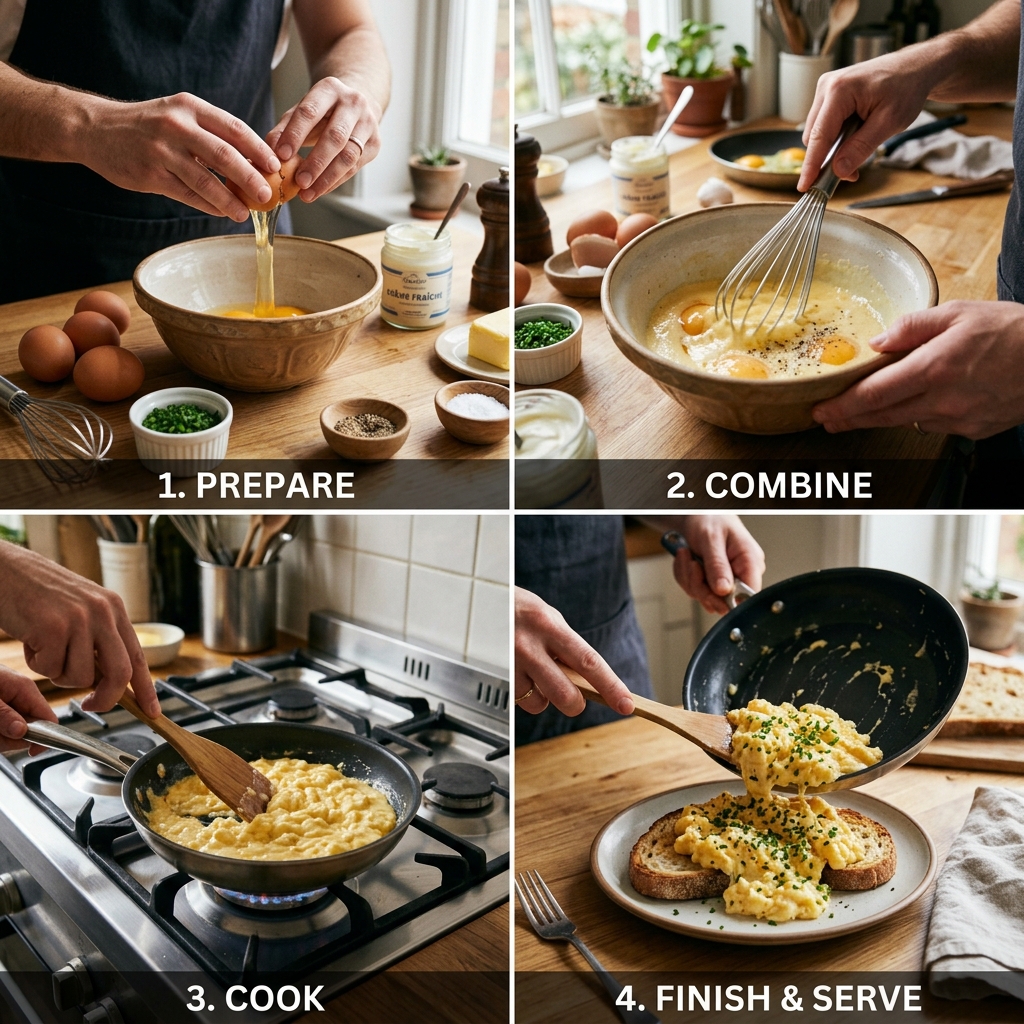
Constructing a perfect batch of this Frambled Eggs recipe involves careful temperature management and gentle agitation of the pan to maintain a soft consistency throughout. Follow these precise steps to achieve the ideal version of this Frambled Eggs recipe in your own home kitchen.
Phase 1: Preparation
- Crack your eggs into a medium mixing bowl to ensure no shells remain inside.
- Whisk your eggs and milk vigorously until the mixture achieves a uniform yellow color.
- Season the mixture with salt and pepper to establish the foundational flavor profile.
Phase 2: Cooking
- Heat a non-stick skillet over medium-low heat to prepare for an even cook.
- Melt the butter completely until it begins to bubble slightly in the pan.
- Pour your egg mixture into the pan to start the Frambled Eggs recipe cooking process.
- Stir the edges of the eggs toward the center using a silicone spatula.
- Remove the pan from the heat while the eggs still appear slightly wet to finish.
Tips for Perfecting Your Frambled Eggs Recipe
Achieving restaurant-grade results requires attention to detail when executing this Frambled Eggs recipe, specifically regarding heat management and ingredient handling for the best texture. Here are several expert tips to refine your approach.
- Use low heat consistently to keep the protein structure tender rather than rubbery.
- Whisk your eggs just before they hit the pan to avoid losing aeration.
- Pull the pan off the burner early because residual heat finishes the cooking perfectly.
- Incorporate fresh herbs like chives or parsley right at the end for brightness.
- Mastering this Frambled Eggs recipe takes practice, so do not fear adjusting the heat as needed.
Common Frambled Eggs Recipe Mistakes to Avoid
Many home cooks struggle with consistency until they learn how to avoid these common errors while preparing their favorite Frambled Eggs recipe. Addressing these mistakes early ensures you never serve a dry or overcooked plate again.
- Overcooking leads to rubbery textures; fix this by removing the eggs while still moist.
- High heat ruins the delicate nature of eggs; always use a medium-low flame.
- Adding too much salt early can draw out moisture; season right before serving instead.
- Using the wrong pan type makes sticking likely; always choose a high-quality non-stick skillet.
- Failing to whisk thoroughly prevents the Frambled Eggs recipe from emulsifying correctly with the milk.
Best Frambled Eggs Recipe Variations and Substitutions
Adapting this Frambled Eggs recipe allows you to tailor the final meal to your specific dietary requirements or pantry availability without losing quality. Explore these options to customize your next morning meal.
| Ingredient | Substitution | Impact on Flavor |
|---|---|---|
| Whole Milk | Greek Yogurt | Adds tangy notes and thicker body |
| Butter | Olive Oil | Provides a fruity, Mediterranean finish |
| Salt | Soy Sauce | Creates a savory umami depth |
Incorporating these variations ensures that every single instance of your Frambled Eggs recipe feels fresh and exciting for your entire family.
Serving Suggestions for Frambled Eggs Recipe
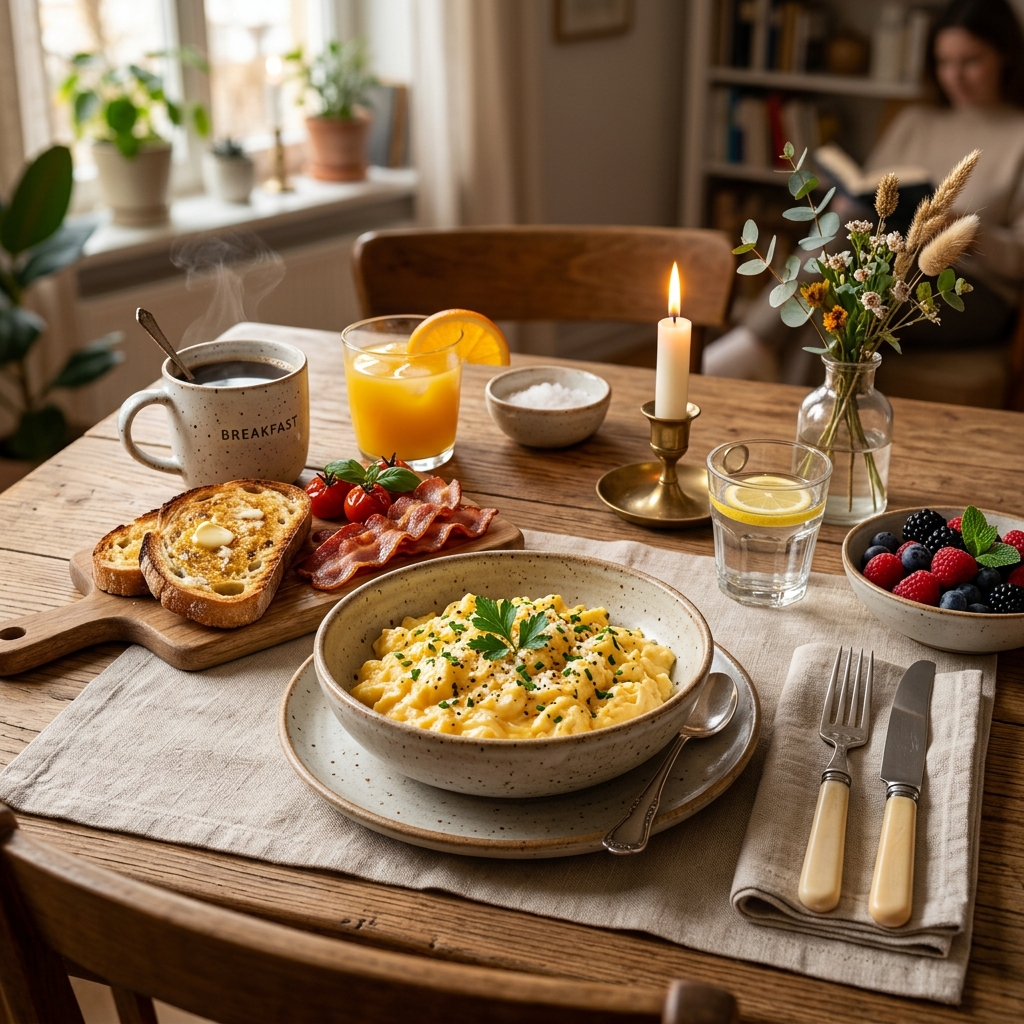
Serve the finished dish immediately to capture the ideal texture while it remains warm and light. This Frambled Eggs recipe pairs exceptionally well with rustic toasted sourdough bread and a side of fresh seasonal berries for a balanced breakfast plate.
For weekend gatherings, place the bowl in the center of the table alongside various toppings like diced tomatoes, shredded cheddar cheese, or fresh avocado slices. Proper plating elevates this simple Frambled Eggs recipe into a formal brunch centerpiece that guests truly appreciate.
Storage and Reheating for Frambled Eggs Recipe
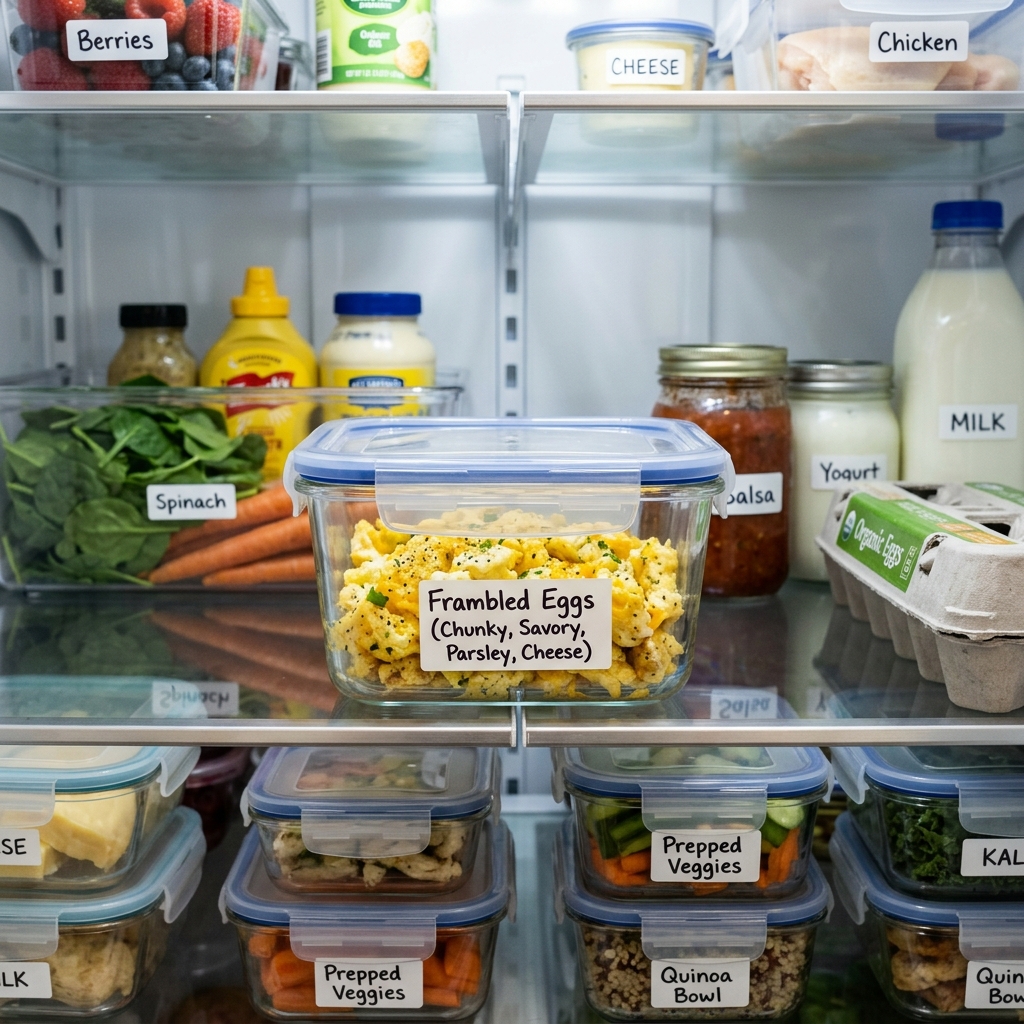
Proper storage maintains the safety and flavor of your leftover portions for later consumption after preparing the Frambled Eggs recipe. Consult the following table for the best keeping practices.
| Method | Duration | Instructions |
|---|---|---|
| Refrigerator | 2 days | Keep in an airtight container for best results |
| Reheating | 1 minute | Gently warm in a microwave at 50% power level |
Always prioritize food safety standards when storing eggs to avoid potential contamination issues. Storing your Frambled Eggs recipe correctly ensures that your meal planning efforts pay off during busy mid-week days.
Nutritional Information for Frambled Eggs Recipe
Understanding the balance of macronutrients helps you integrate this delicious meal into your overall health goals. Approximate values for this Frambled Eggs recipe are listed below.
| Nutrient | Amount per Serving |
|---|---|
| Calories | 210 |
| Protein | 14g |
| Fat | 16g |
| Carbohydrates | 2g |
Enjoying your Frambled Eggs recipe provides high-quality protein and fats that sustain your energy levels throughout the morning.
Frequently Asked Questions About Frambled Eggs Recipe
Can I make this Frambled Eggs recipe dairy-free?
Yes, you can easily make this Frambled Eggs recipe dairy-free by substituting butter with olive oil and omitting the milk or using almond milk.
How do I know when the eggs are properly cooked?
Your eggs are ready when they form soft curds and look slightly wet, as they continue to cook from residual heat after leaving the pan.
What is the secret for fluffier eggs?
The secret for a fluffier Frambled Eggs recipe involves whisking the mixture vigorously until it becomes aerated before adding it to the warm, buttered skillet.
Can I prepare the egg mixture ahead of time?
You can whisk the eggs and seasonings together in a bowl, but you should only add the mixture to the pan immediately before cooking.
Should I use salted or unsalted butter?
Always use unsalted butter so you maintain full control over the salt levels within your final Frambled Eggs recipe result.
Why did my eggs turn grey?
Eggs turn grey when overexposed to high heat for too long, which you can avoid by using lower heat and removing them from the stove early.
Can I freeze leftovers?
Freezing is not recommended because the texture of the eggs changes significantly upon thawing, making the result less appealing than a fresh batch.
What sauce pairs best with this dish?
A light drizzle of hot sauce or a dollop of fresh salsa pairs perfectly with the rich, savory profile of this Frambled Eggs recipe.
How do I prevent eggs from sticking?
Prevent sticking by ensuring your skillet is high-quality non-stick and allowing the butter to coat the surface completely before pouring in the eggs.
What is the ideal heat for this dish?
Use medium-low heat throughout the entire process to maintain the creamy, delicate texture that makes this specific Frambled Eggs recipe so popular among families.
Mastering this simple yet refined recipe provides you with a reliable breakfast option that consistently delivers on both flavor and texture. By focusing on gentle heat and fresh ingredients, you transform basic kitchen staples into a meal that feels truly special every single morning. The versatility of the Frambled Eggs recipe ensures that you can adapt it to match any mood or dietary preference while keeping your kitchen routine efficient and satisfying. Embrace the technique and enjoy the simple pleasure of a perfectly prepared protein-rich breakfast. Remember that consistent practice with this Frambled Eggs recipe will make you a pro at creating that signature soft, buttery, and cloud-like texture that defines a perfect breakfast experience for everyone at the table.
Print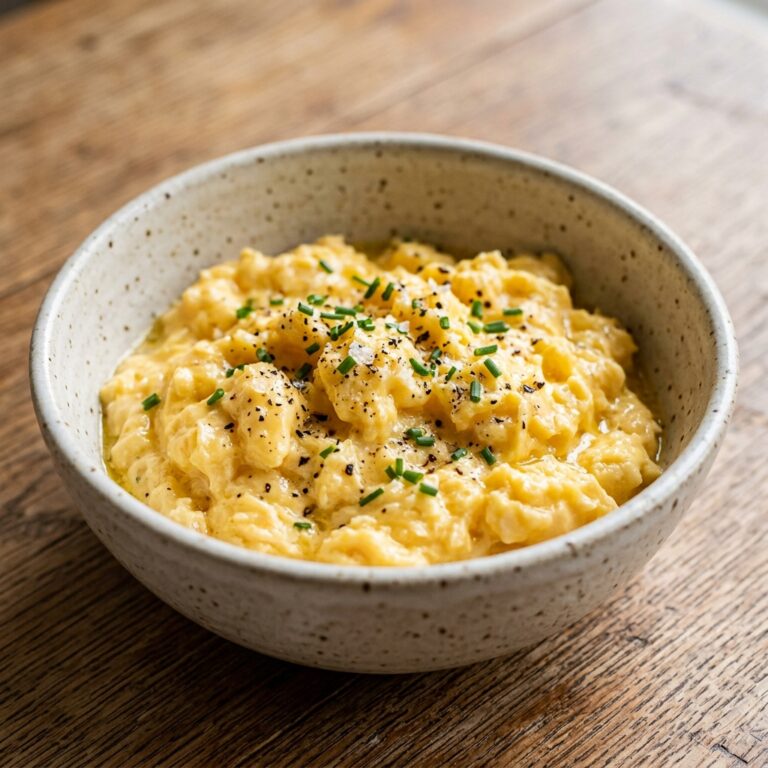
Frambled Eggs Recipe 2026
The Frambled Eggs recipe provides a unique twist on morning classics by perfectly blending light textures with rich flavors for a satisfying protein boost. Preparing this requires minimal effort while ensuring a soft, buttery, restaurant-quality finish that impresses every guest at your table.
- Total Time: 10 mins
- Yield: 2 servings 1x
Ingredients
- 4 count Large Eggs (use pasture-raised for better color)
- 1 tbsp Unsalted Butter (substitute with avocado oil for dairy-free)
- 2 tbsp Whole Milk (use heavy cream for extra richness)
- 1/4 tsp Sea Salt (adjust according to personal preference)
- 1/8 tsp Black Pepper (freshly ground provides more aroma)
Instructions
- Crack your eggs into a medium mixing bowl to ensure no shells remain inside.
- Whisk your eggs and milk vigorously until the mixture achieves a uniform yellow color.
- Season the mixture with salt and pepper to establish the foundational flavor profile.
- Heat a non-stick skillet over medium-low heat to prepare for an even cook.
- Melt the butter completely until it begins to bubble slightly in the pan.
- Pour your egg mixture into the pan to start the Frambled Eggs recipe cooking process.
- Stir the edges of the eggs toward the center using a silicone spatula.
- Remove the pan from the heat while the eggs still appear slightly wet to finish.
Notes
Use low heat consistently to keep the protein structure tender rather than rubbery. Whisk eggs right before adding to the pan to retain aeration. Pull the pan off the burner early as residual heat completes cooking. Store leftovers in an airtight container in the refrigerator for up to 2 days and gently warm in a microwave at 50% power level.
- Prep Time: 5 mins
- Cook Time: 5 mins
- Category: Breakfast
- Method: Stovetop
- Cuisine: Modern American
- Diet: Vegetarian
Nutrition
- Serving Size: 1 plate
- Calories: 210 kcal
- Sugar: 1 g
- Sodium: 340 mg
- Fat: 16 g
- Saturated Fat: 7 g
- Unsaturated Fat: 8 g
- Trans Fat: 0 g
- Carbohydrates: 2 g
- Fiber: 0 g
- Protein: 14 g
- Cholesterol: 370 mg